Mini Cart

How to Tell if a Moroccan Berber Rug Is Authentic: 9 Signs to Look For
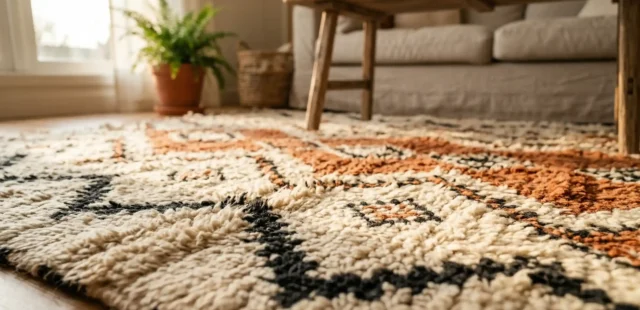
Authentic Moroccan Berber rug handwoven with natural wool and tribal motifs

Moroccan Berber rugs have become one of the most admired handmade textiles in the world. Their soft natural wool, tribal symbolism, and timeless beauty make them a favorite for interiors ranging from minimalist homes to traditional spaces. But as demand grows, so does the number of machine-made and imitation rugs sold as “authentic.”

If you are shopping for a real authentic Moroccan Berber rug, it is important to know what separates a genuine handwoven piece from a mass-produced copy. In this guide, we share the most important signs to look for before buying.

At Berber House Rugs, we work directly with skilled artisans in Morocco to offer handwoven rugs made with traditional techniques, natural wool, and true tribal heritage.

1. Check if the rug is handwoven, not machine-made

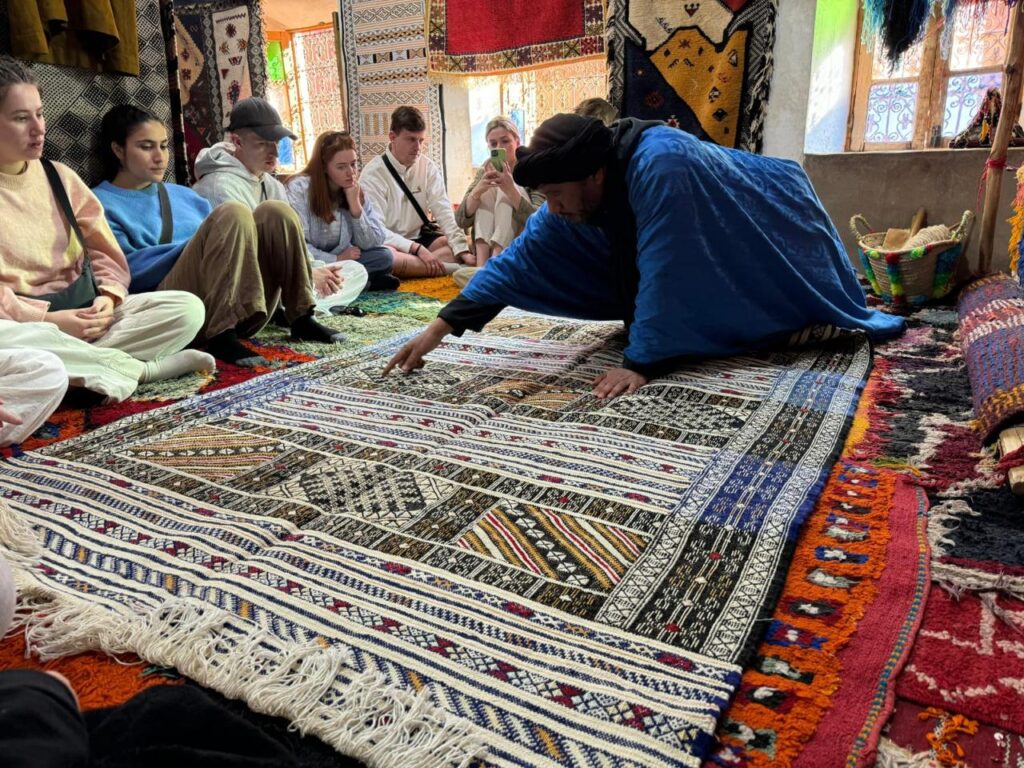
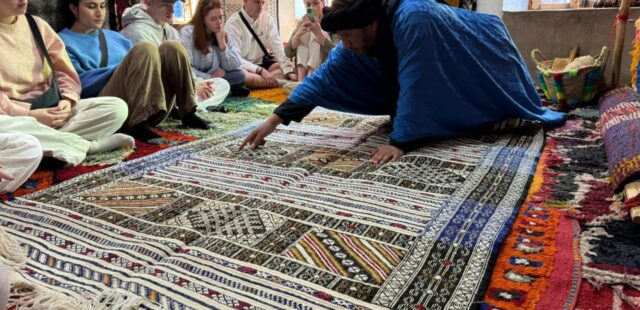
The first sign of an authentic Moroccan rug is its construction. A real Berber rug is handwoven, which means it will not look perfectly uniform.

Because it is made by hand, you may notice:

  • slight variations in pattern
  • small irregularities in the weave
  • a shape that is not perfectly symmetrical
  • differences in knot size or line spacing

These details are not flaws. They are part of the beauty of handmade work and a sign that a real artisan created the rug.

Machine-made rugs often look too perfect, with identical patterns and highly uniform stitching throughout.

2. Look for natural wool
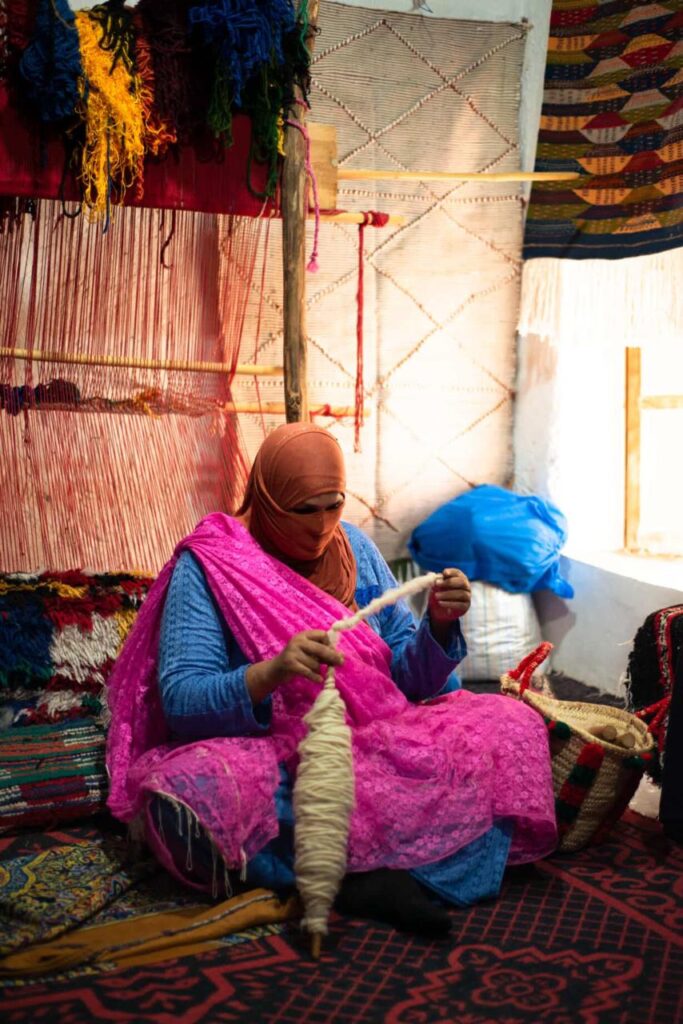
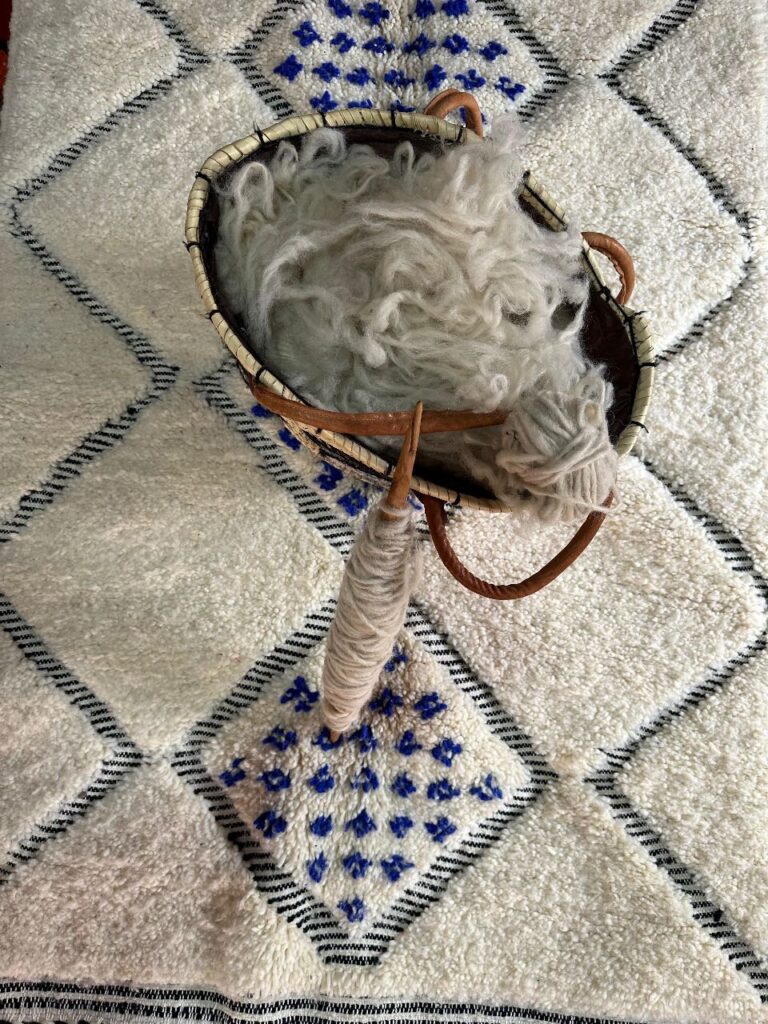
Authentic Berber rugs are traditionally woven from premium natural wool. Moroccan wool is valued for its warmth, softness, durability, and rich texture.

A genuine wool rug often feels:

  • soft but substantial
  • slightly oily or lanolin-rich
  • warm and breathable
  • dense underfoot

Synthetic rugs may feel overly smooth, plastic-like, or unnaturally shiny. If the material looks too glossy or feels thin, it may not be genuine wool.

To learn more about traditional rug-making materials, visit our Materials & Craftsmanship page.

3. Notice the tribal motifs and symbolic patterns

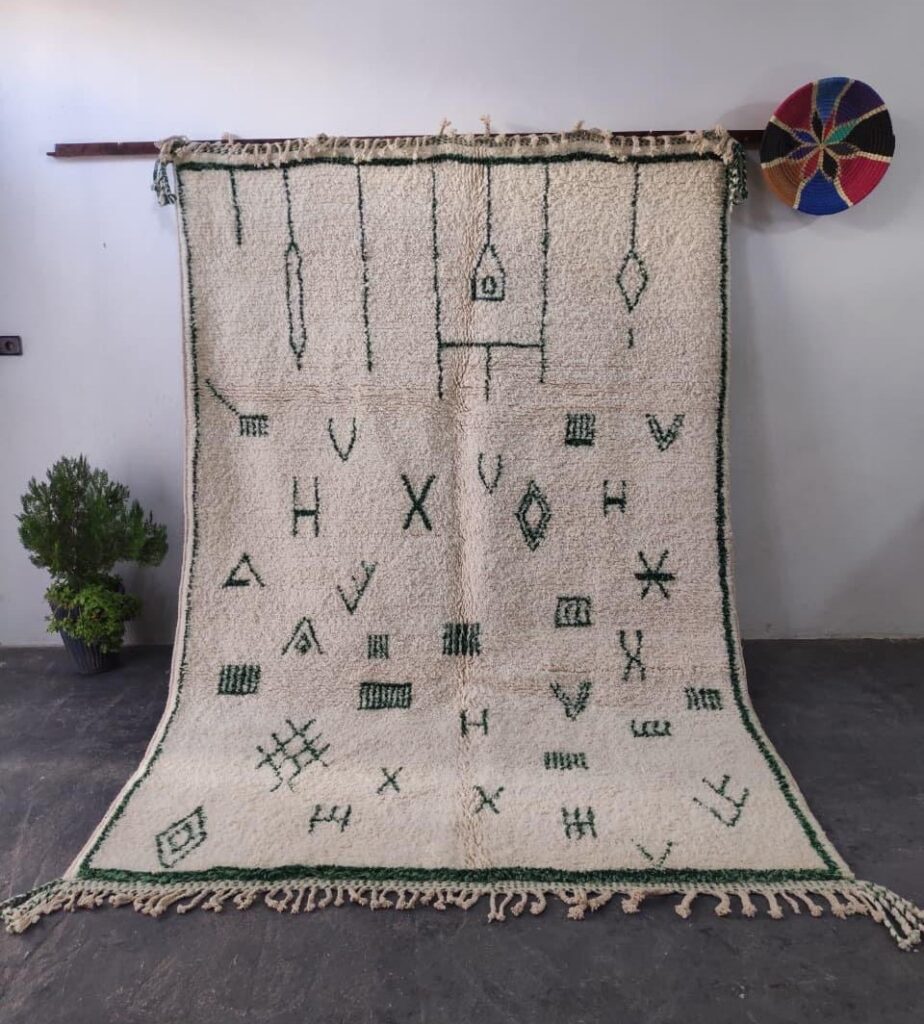
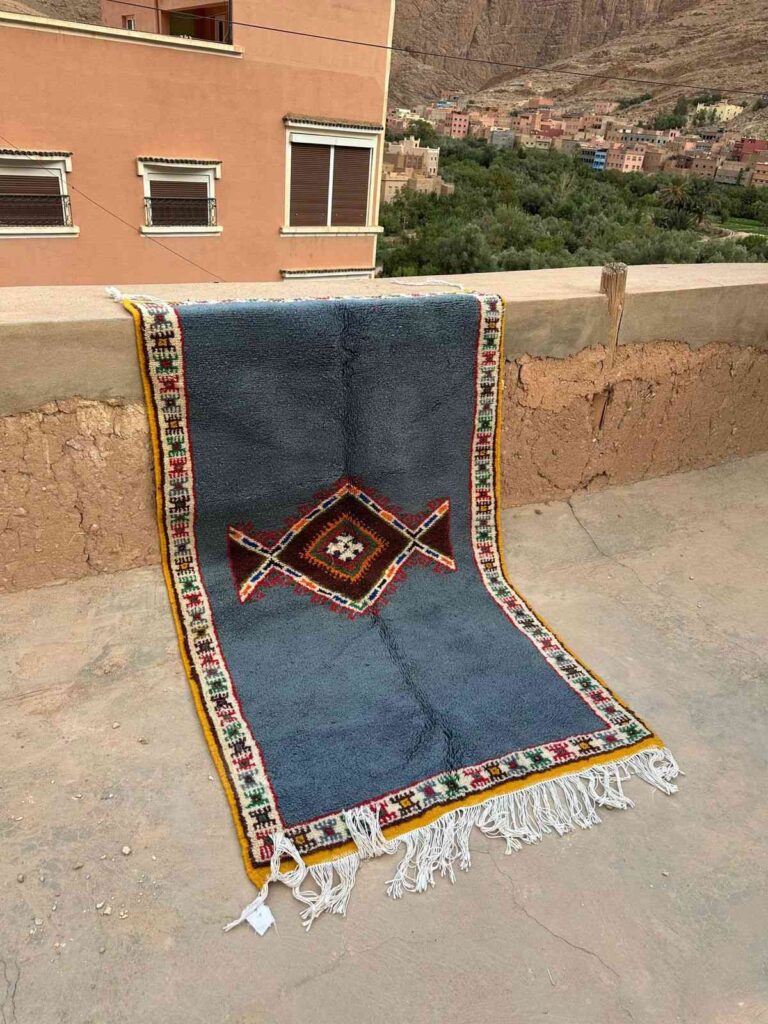
One of the most special aspects of an authentic Moroccan Berber rug is its symbolism. Traditional Berber rugs often include motifs that represent protection, fertility, femininity, family, nature, or spiritual blessings.

Common signs of authentic tribal design include:

  • diamonds
  • lozenges
  • zigzags
  • crosses
  • stepped patterns
  • abstract lines

These symbols are not randomly decorative. In many cases, they are part of a weaver’s cultural language and storytelling tradition.

If you want to explore this more deeply, read about Berber Rug Symbols & Meanings on our site.

4. Authentic rugs often have slight imperfections

A real handmade Moroccan rug should not look factory-perfect. Slight irregularities are often one of the clearest signs of authenticity.

Examples include:

  • minor asymmetry
  • uneven fringe length
  • subtle variation in color tones
  • shifting geometric lines

These variations happen naturally when a rug is woven by hand on a traditional loom. They reflect human craftsmanship and individual artistic expression.

By contrast, fake rugs often aim for exact duplication and can appear too consistent across the entire surface.

5. Check the back of the rug

Turning the rug over can reveal a lot. On an authentic handwoven Berber rug, the back should show the pattern in a way that resembles the front, though with a more textured or muted finish.

Things to look for:

  • visible knots or weaving structure
  • pattern clarity on both sides
  • handmade irregularity rather than printed backing
  • no glued layers or machine mesh

If the underside looks overly polished, synthetic, or glued, it may be machine-made.

6. The colors should feel natural, not overly artificial
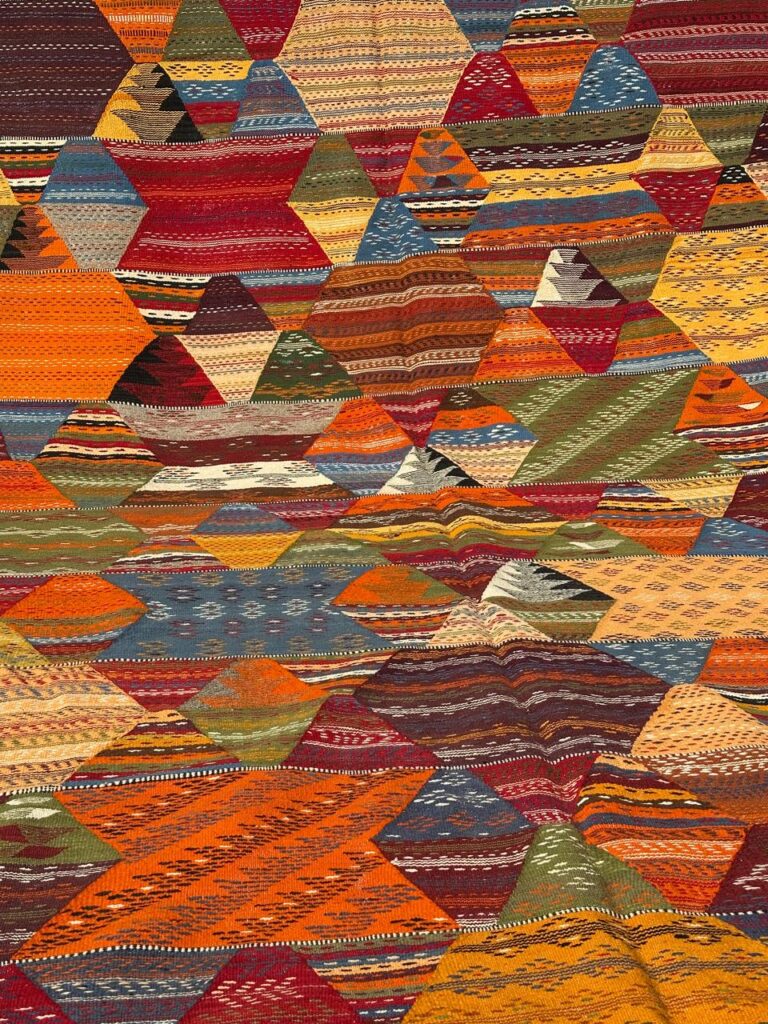
Traditional Moroccan rugs are often made in natural ivory, cream, brown, black, red, ochre, and earthy tones. While modern weavers also create vibrant designs, authentic pieces usually have depth and softness in color rather than a flat artificial look.

Natural or artisan-dyed wool tends to show:

  • tonal variation
  • softness in color transitions
  • richness without harsh chemical brightness

A rug with extremely neon shades or very flat color may be less likely to be traditionally made, though this depends on the region and style.

7. Know the regional styles

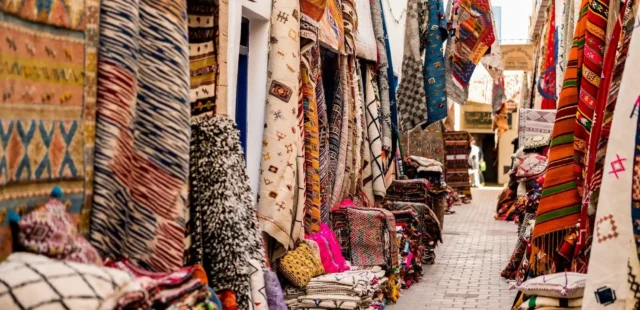
Different Moroccan Berber rugs come from different weaving regions, and authenticity often becomes clearer when you understand these styles.

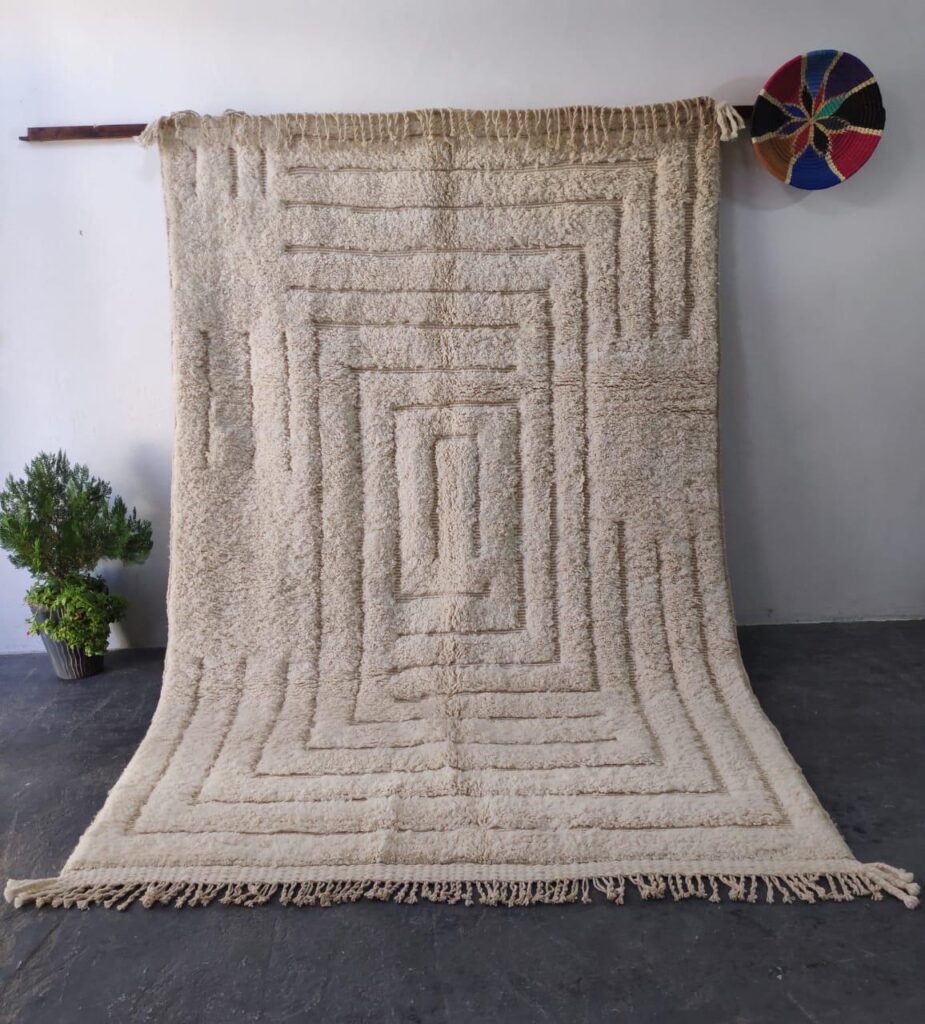
Beni Ourain rugs

Known for:

  • soft thick wool
  • cream or ivory backgrounds
  • black or brown geometric lines
  • minimalist elegance

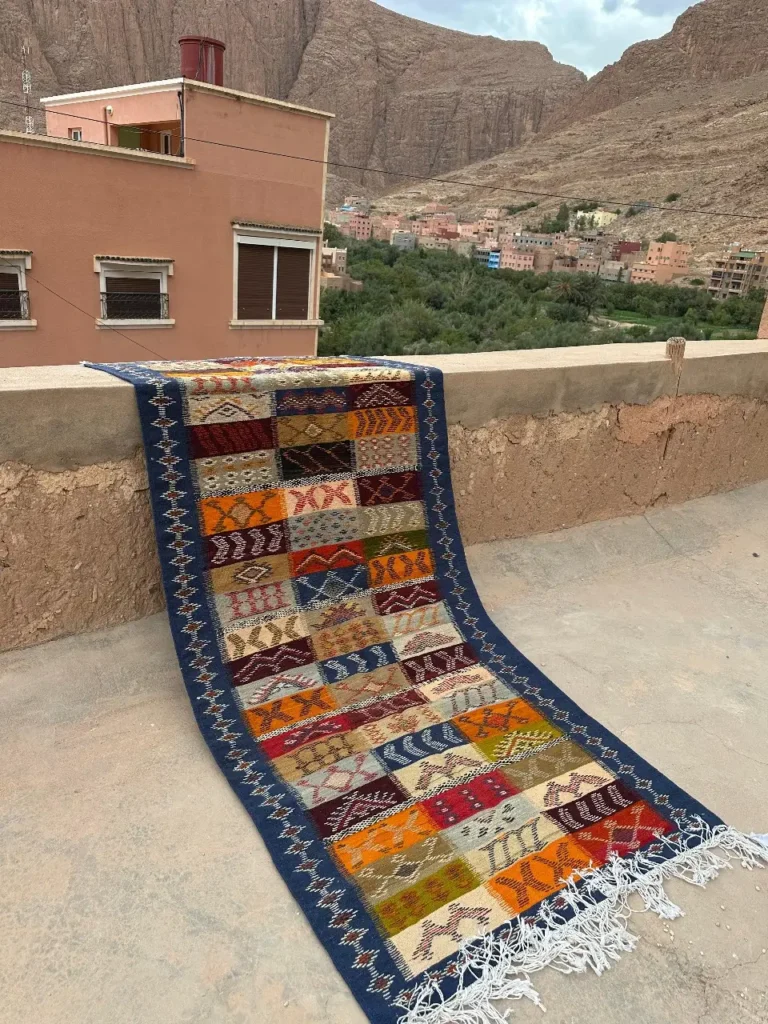
Taznakht rugs

Known for:

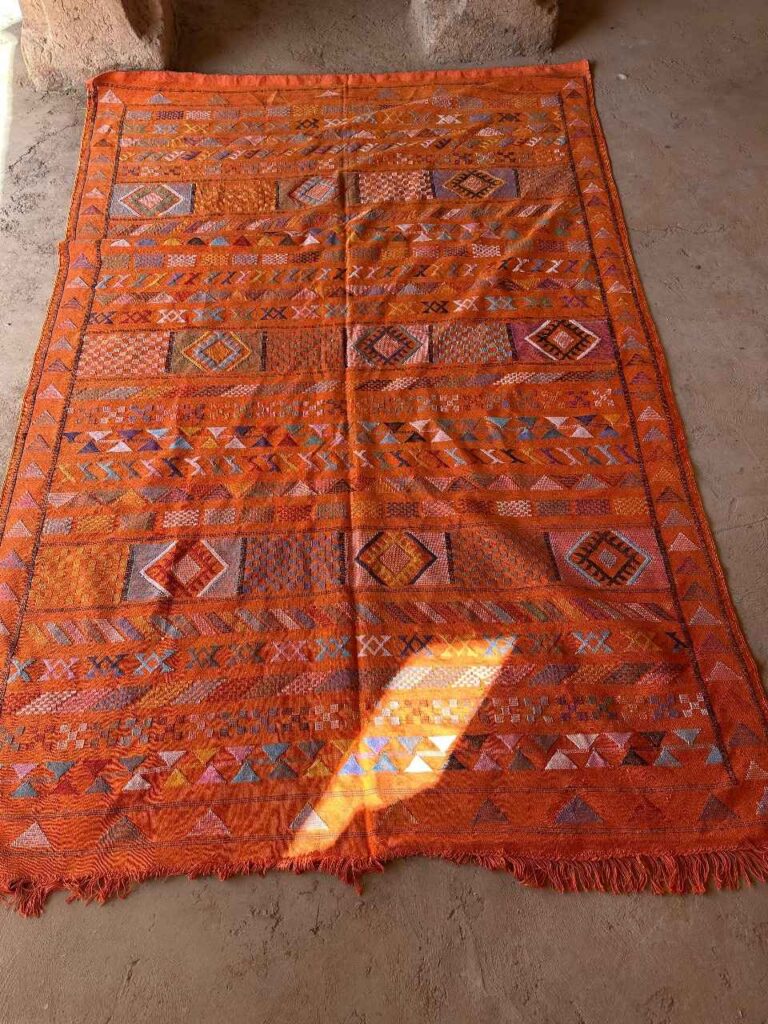
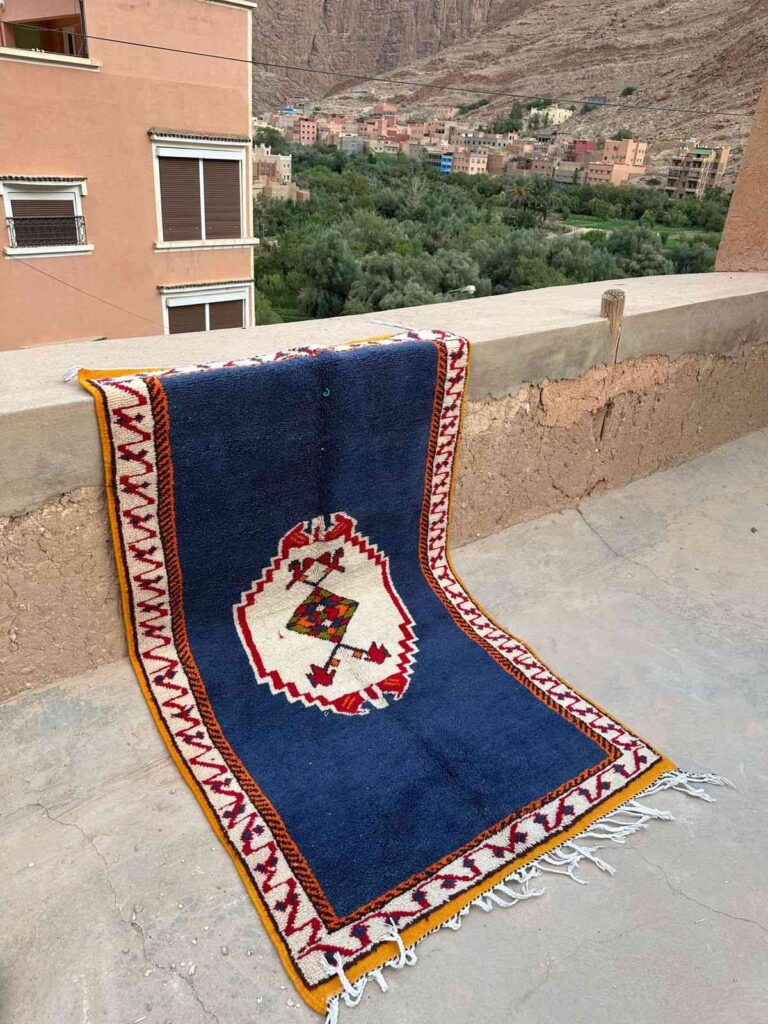
  • vibrant colors
  • intricate motifs
  • dense weaving
  • strong symbolic language

Glaoui rugs

Known for:

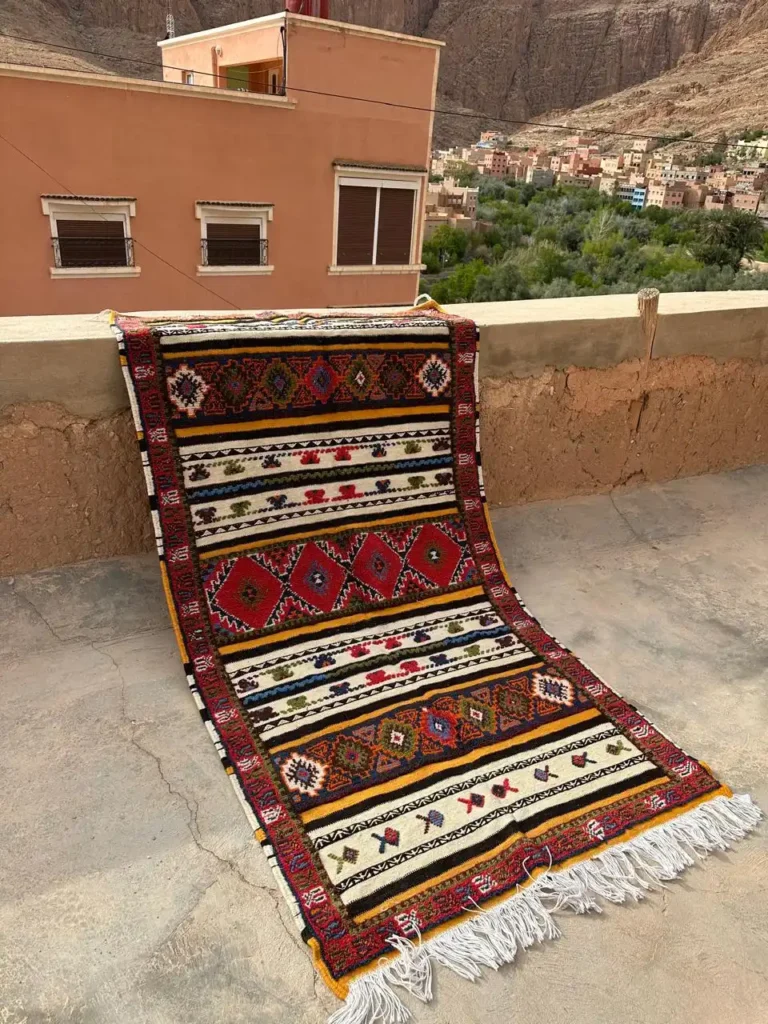
  • flatweave or mixed texture
  • bold tribal patterns
  • rich color combinations

Browsing trusted Rug Collections can help you compare authentic regional styles and recognize their differences.

8. Ask where and how the rug was made
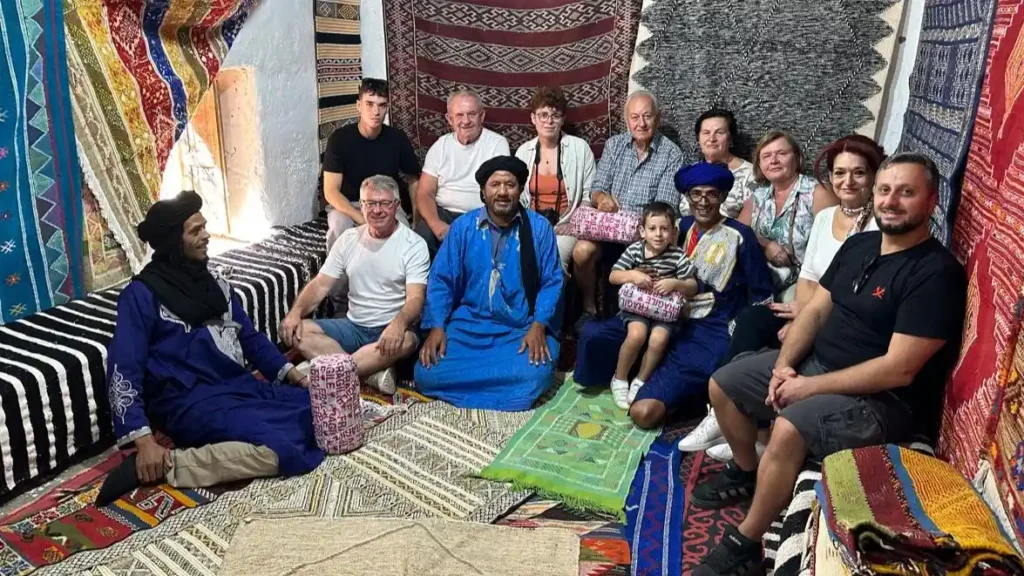
A trustworthy seller should be transparent about the origin of the rug, the materials used, and whether it was handmade by artisans.

Before buying, ask:

  • Where was this rug woven?
  • Is it handmade or machine-made?
  • What material is used?
  • Was it made by Berber artisans in Morocco?
  • Is it one-of-a-kind?

A reputable source should be able to answer clearly and confidently.

At Berber House Rugs, our rugs are handwoven in Morocco by skilled Atlas Mountain artisans using natural wool and traditional techniques. Learn more on our About Us page.

9. Buy from a specialized Moroccan rug seller

One of the safest ways to buy an authentic Moroccan Berber rug is to choose a seller that specializes in Moroccan weaving traditions rather than a general home décor marketplace.

A specialized rug store is more likely to offer:

  • genuine handmade pieces
  • clear origin details
  • artisan knowledge
  • regional expertise
  • customer guidance before purchase

If you have questions about selecting the right rug, our FAQ page can help, or you can reach out directly through our Contact page.

Why authenticity matters

Buying an authentic Berber rug is about more than design. It means investing in:

  • real craftsmanship
  • natural materials
  • cultural heritage
  • artisan livelihoods
  • a unique piece with lasting value

Every handmade Moroccan rug tells a story. No two pieces are exactly alike, and that individuality is part of what makes them special.

Shop authentic Moroccan Berber rugs
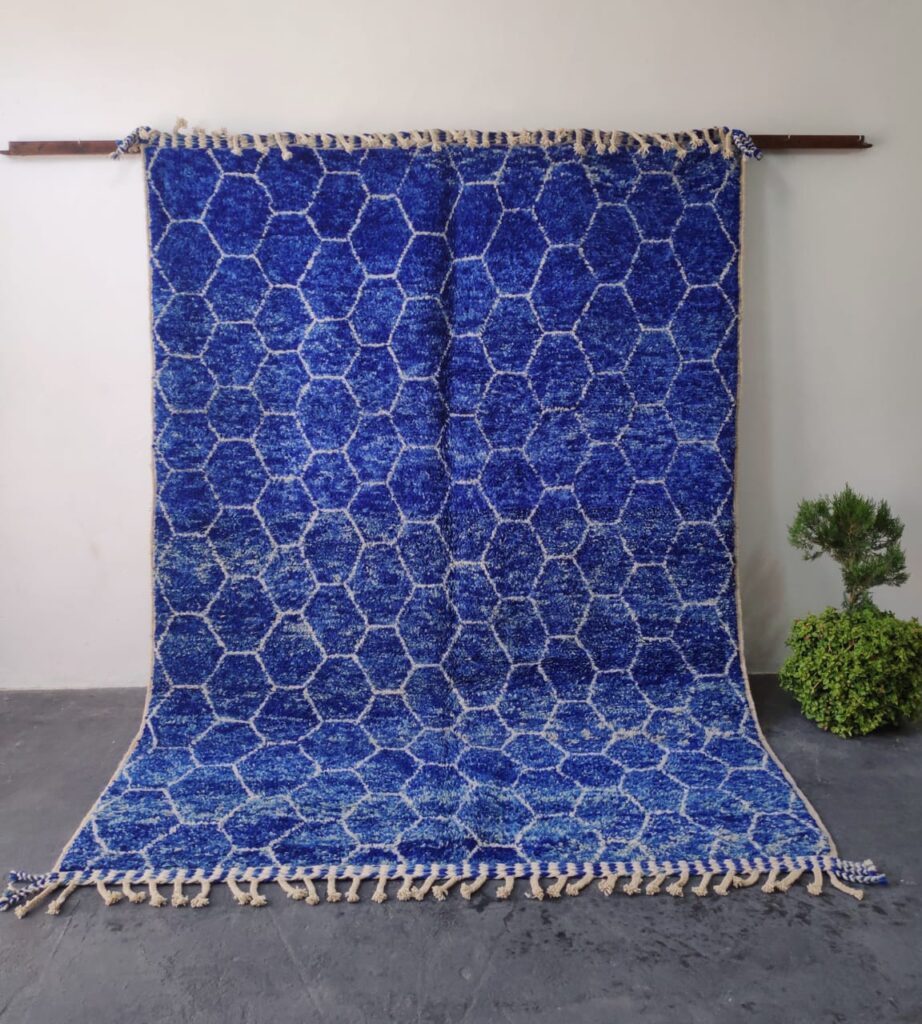
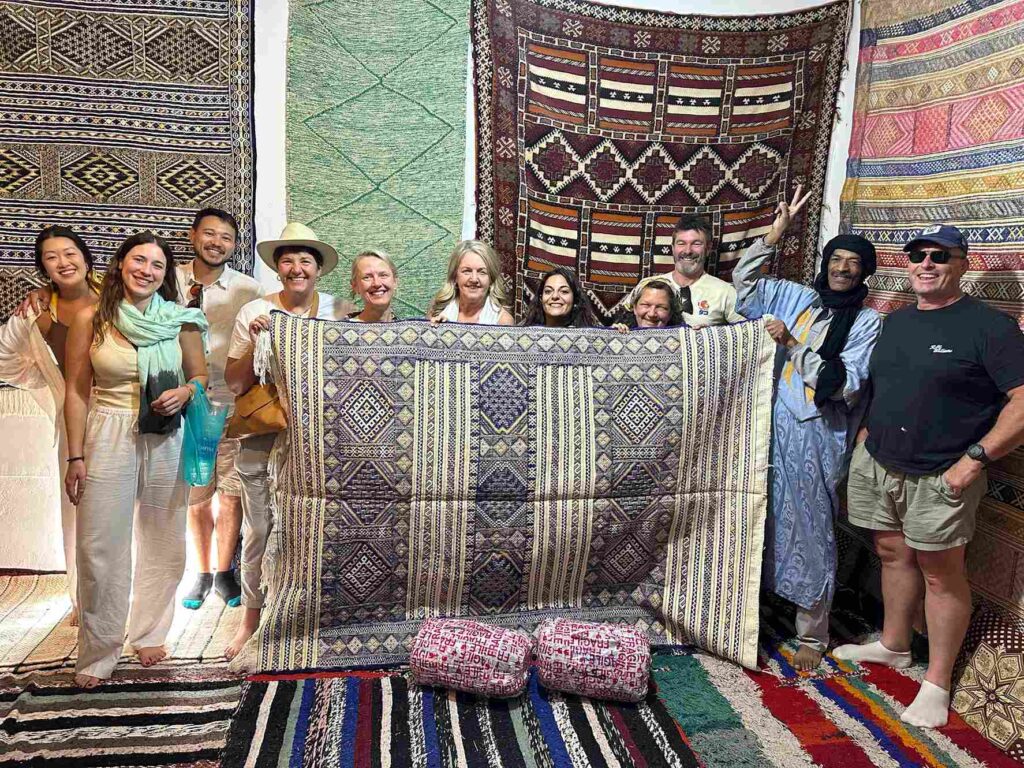
If you are looking for a genuine handmade rug, explore our curated Moroccan Berber Rug Collections. We offer authentic handwoven rugs crafted by skilled Moroccan artisans using premium wool and traditional tribal motifs.

Whether you are searching for a Beni Ourain rug, a colorful Taznakht rug, or a distinctive Glaoui rug, our collections celebrate the beauty and authenticity of Moroccan weaving traditions.

Final thoughts

Knowing how to identify an authentic Moroccan Berber rug can help you shop with confidence and avoid imitations. Look for natural wool, handwoven construction, tribal motifs, regional identity, and signs of true artisan craftsmanship.

A real Berber rug is never just a decorative object. It is a handmade work of art rooted in tradition, symbolism, and generations of weaving knowledge.

If you are ready to find the perfect piece for your home, visit our blog for more guides or browse our authentic Moroccan rug collections today.

Authentic Moroccan Berber Rugs FAQ?

How can I tell if a Moroccan rug is handmade?
A handmade Moroccan rug usually has slight irregularities in shape, pattern, and knotting. These variations are signs of artisan craftsmanship rather than machine production.

Are authentic Berber rugs made of wool?
Yes, most authentic Berber rugs are made from natural wool, valued for its softness, warmth, and durability.

Do real Beni Ourain rugs have imperfections?
Yes. Small imperfections are normal in handwoven Beni Ourain rugs and reflect the fact that each piece is made by hand.

Where can I buy an authentic Moroccan Berber rug?
You can buy authentic Moroccan Berber rugs from specialized sellers such as Berber House Rugs, where handmade rugs are sourced directly from Moroccan artisans.

Discover the hidden stories, weaving traditions, and cultural symbols behind authentic Moroccan Berber rugs — and learn how to find the perfect piece for your space.

Introduction — The Soul of Moroccan Craftsmanship

More than just home décor, Moroccan rugs are living works of art — woven with history, emotion, and ancestral wisdom. Each thread tells a story, each symbol carries meaning, and every rug embodies the soul of the artisan who made it. Passed down from generation to generation, these handwoven masterpieces bring warmth, texture, and authenticity into any home.

At Berber House Rugs, we are devoted to preserving the ancient art of Berber weaving. Every rug in our collection is handmade by skilled artisans from the Atlas Mountains, using time-honored techniques that celebrate Morocco’s rich heritage and craftsmanship. Owning one is not only a design choice — it’s a connection to centuries of tradition.

The History of Moroccan Rugs

The story of Moroccan rugs begins in the rugged landscapes of the Atlas Mountains, where the Berber tribes have lived for thousands of years. Long before they were admired in homes around the world, these rugs served a deeply practical purpose: warmth during harsh winters and comfort for nomadic families.

Each region developed its own weaving style and visual language — from the minimalist Beni Ourain rugs with their ivory wool and geometric lines, to the colorful Azilal and Zanafi rugs known for their vibrant patterns. Women were — and remain — the heart of this craft, weaving memories, stories, and beliefs into every knot.

Today, these rugs represent more than functionality. They have become symbols of identity and artistry, uniting Morocco’s diverse tribal traditions under one timeless aesthetic loved by collectors, designers, and homeowners alike.

The Meanings Behind Berber Symbols

What Do Moroccan Rug Symbols Mean?

Every authentic Moroccan rug is a coded language. The motifs and symbols woven into each design tell stories of life, protection, fertility, and harmony — echoing the experiences of the women who wove them.

Here are some of the most common and powerful Berber symbols found in Moroccan rugs:

  • The Diamond: A symbol of femininity and protection. Often interpreted as the “eye” that wards off negative energy.
  • The Triangle: Represents womanhood, family, and fertility — often linked to the sacred connection between mother and child.
  • Zigzag Lines: Depict the journey of life — its ups, downs, and the resilience to move forward.
  • Horizontal Lines: Symbolize peace, stability, and the flow of time.

These motifs are never random. Each weaver draws from her personal experience, tribe, and environment. The result is a visual story — a form of communication passed down through generations, long before written language reached the Berber villages.

Alt text suggestion: “Close-up of Berber symbols handwoven into an authentic Moroccan rug.”

The Art of Craftsmanship: How Moroccan Rugs Are Made

The creation of a handmade Moroccan rug is an act of patience and devotion. Each rug can take weeks or even months to complete, depending on its size and complexity. The process begins with locally sourced wool — often from sheep raised in the Atlas Mountains — known for its softness and durability.

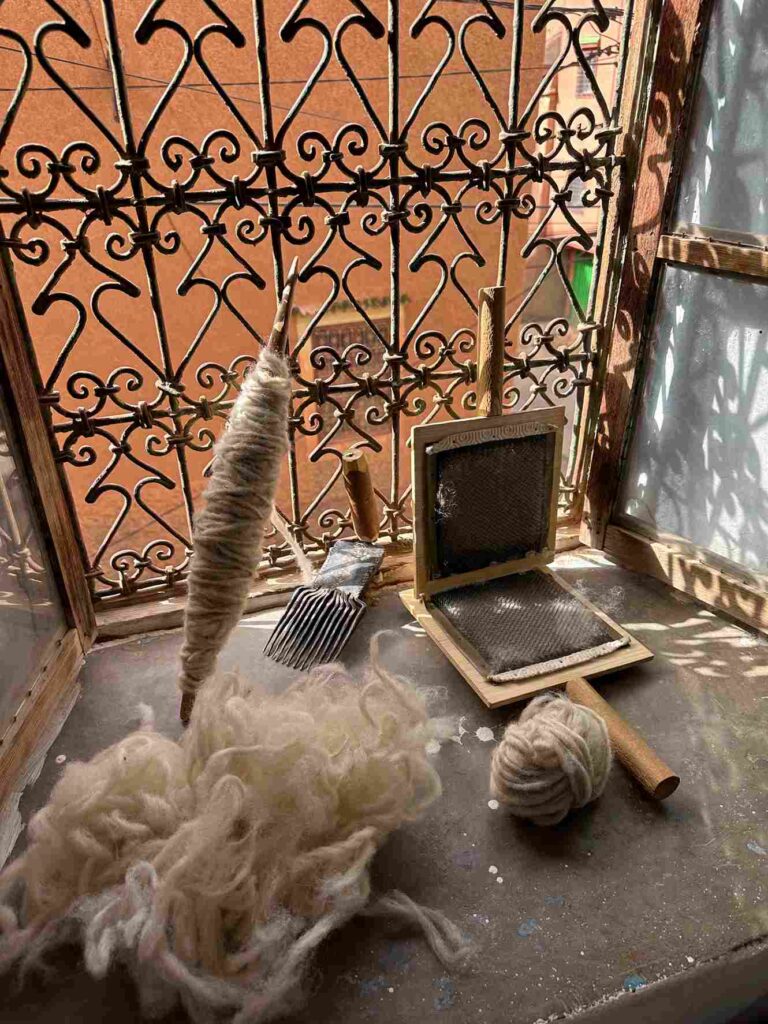
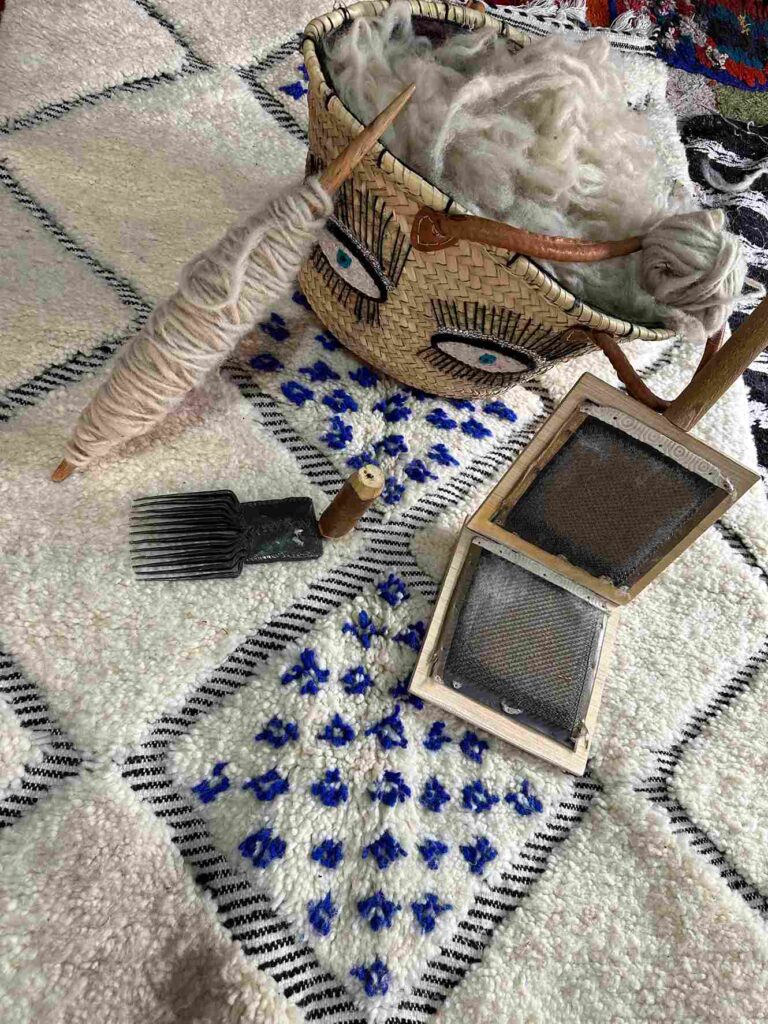
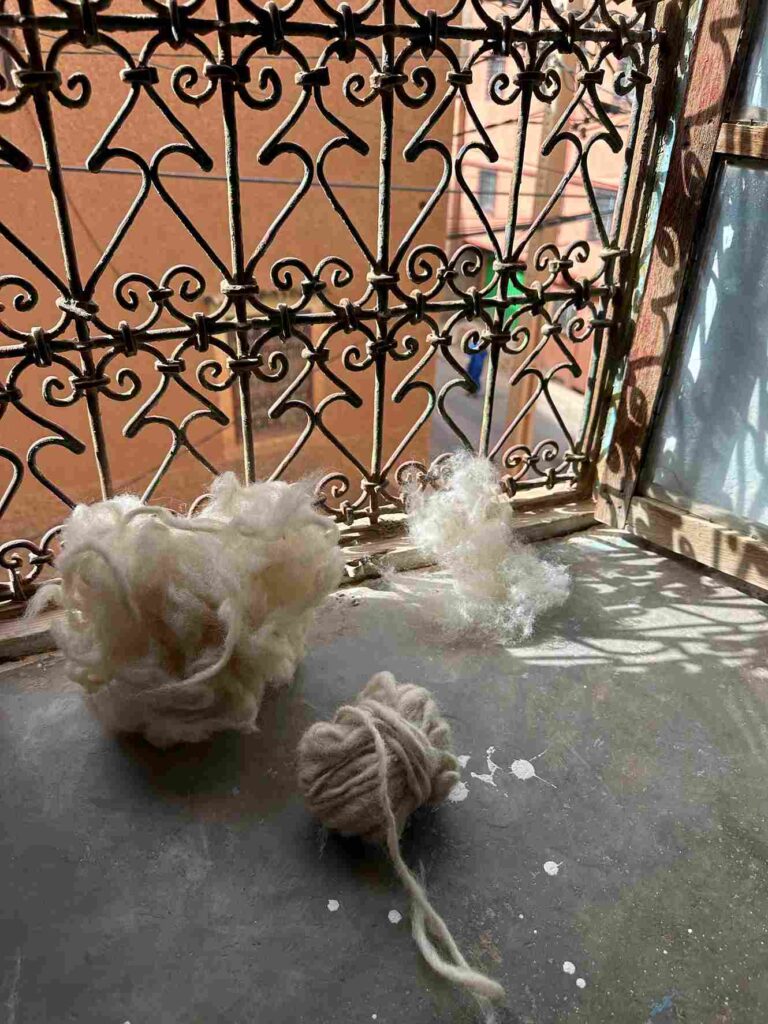
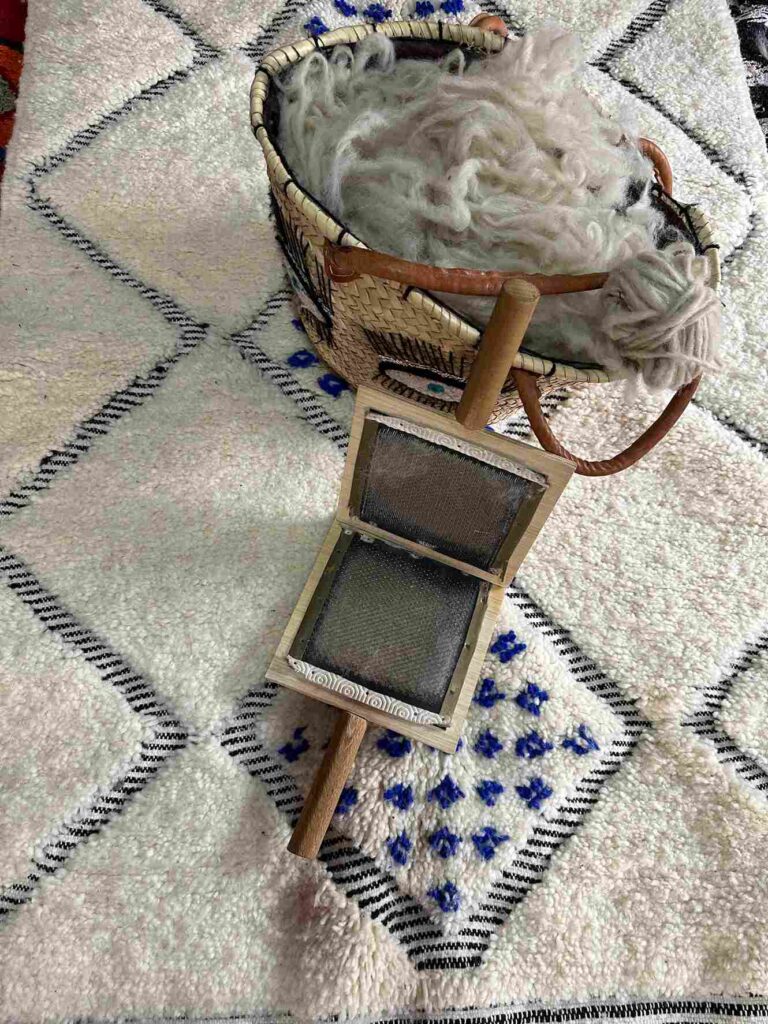
The wool is hand-washed, carded, and spun into yarn before being dyed with natural pigments derived from plants, minerals, and spices. Saffron, henna, indigo, and pomegranate skins bring color to life, producing hues that age beautifully over time.

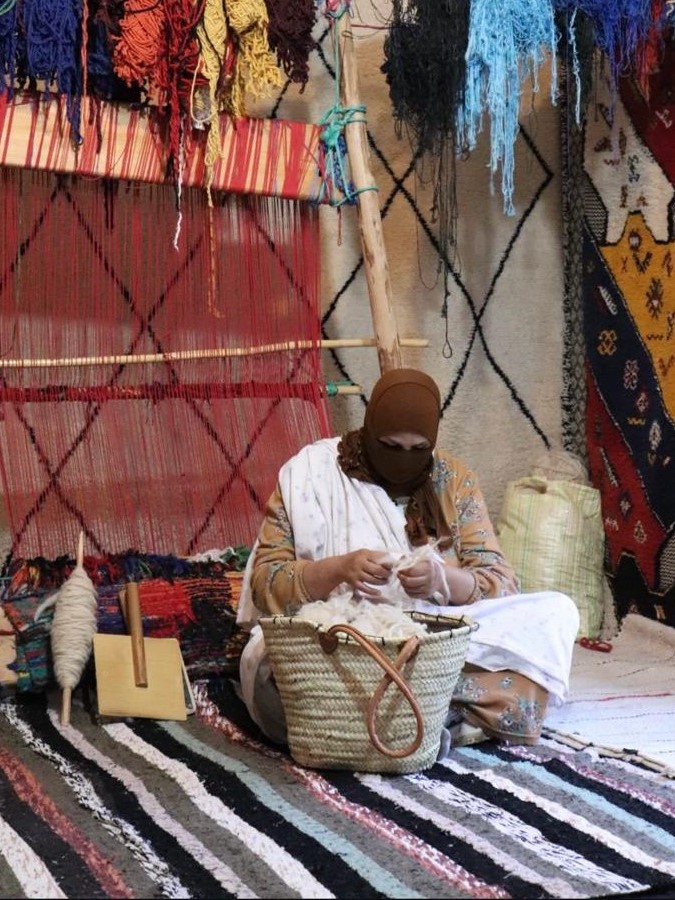
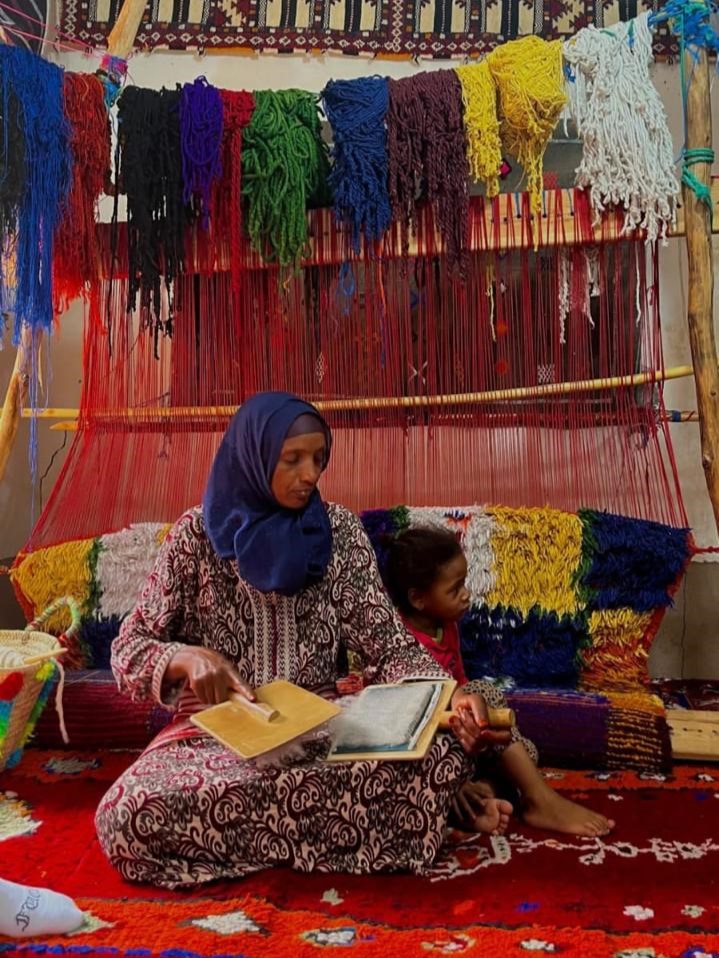
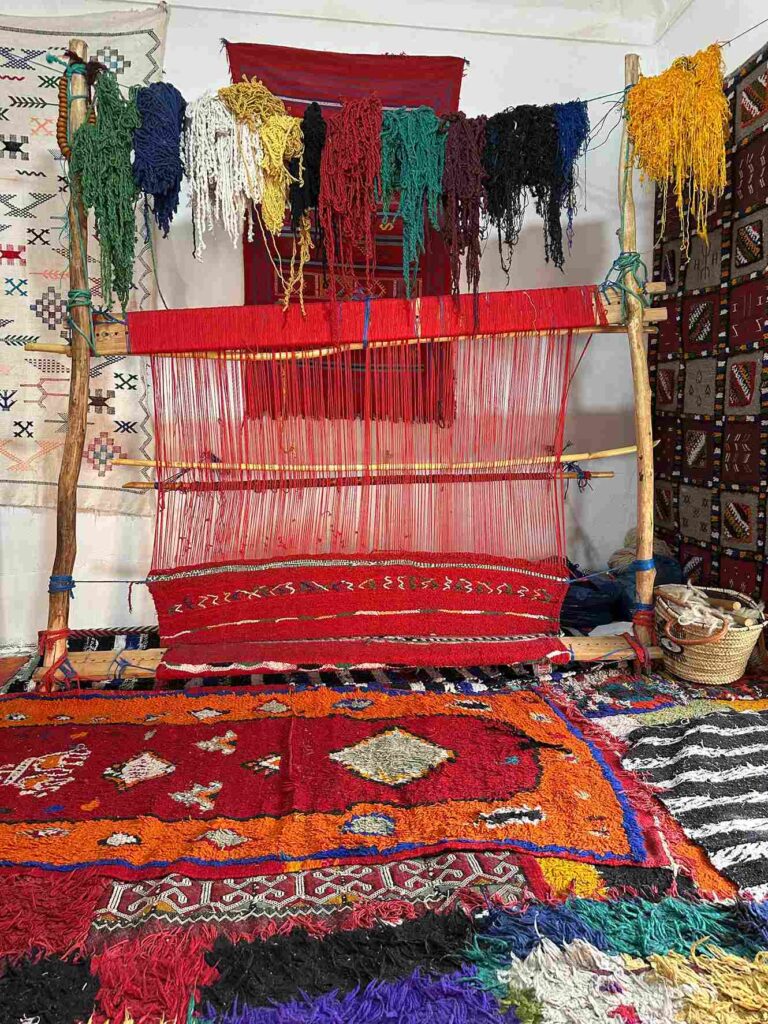
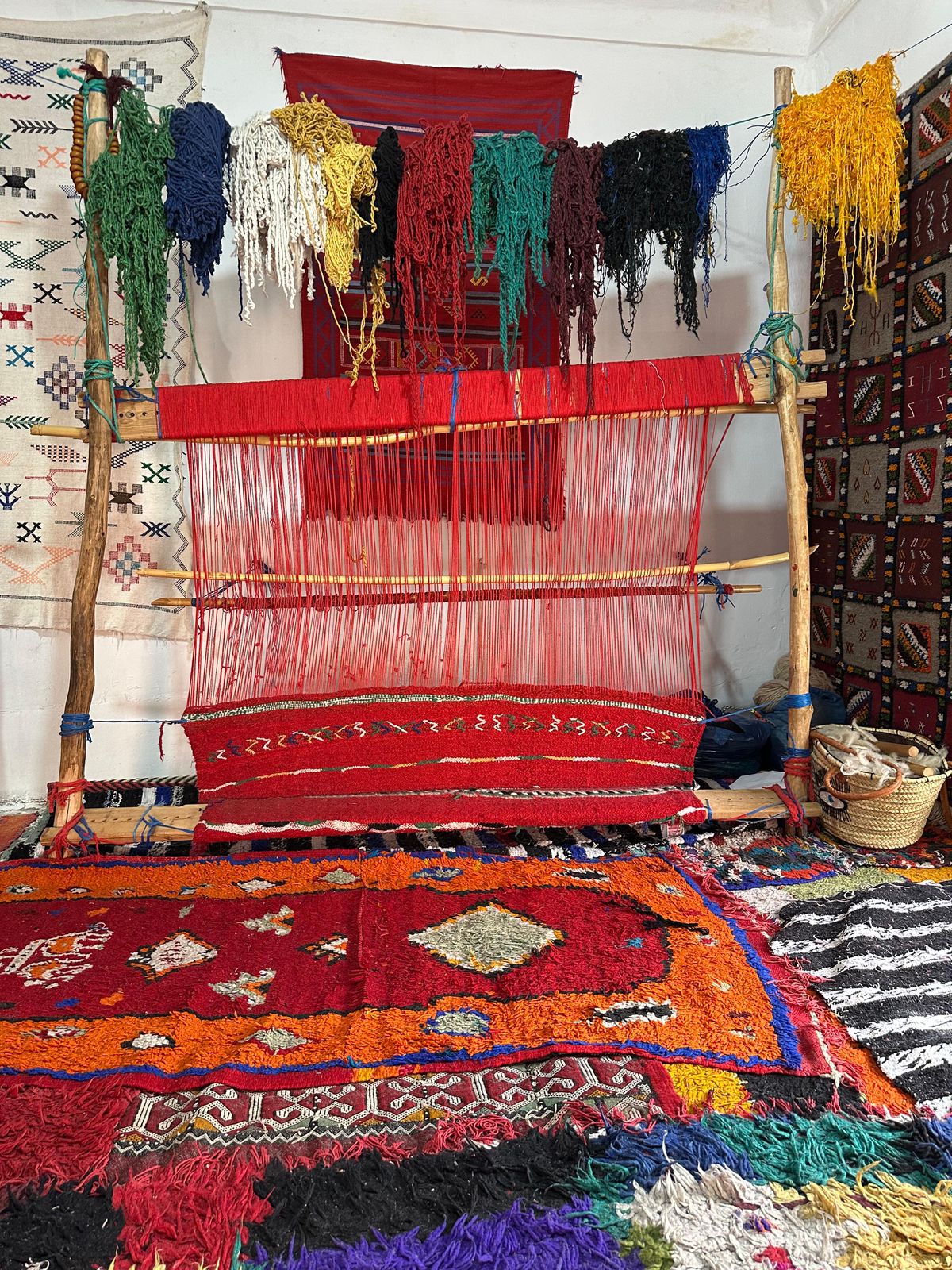
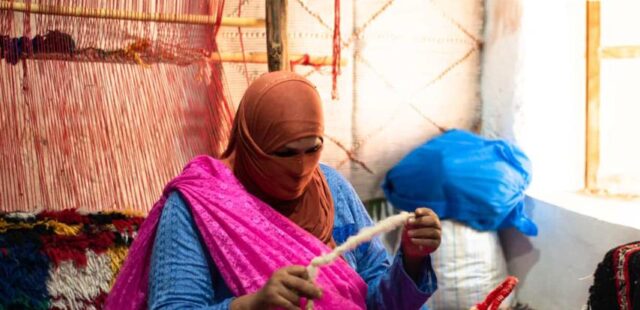
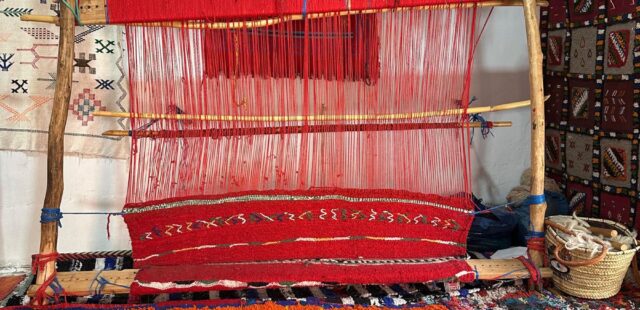
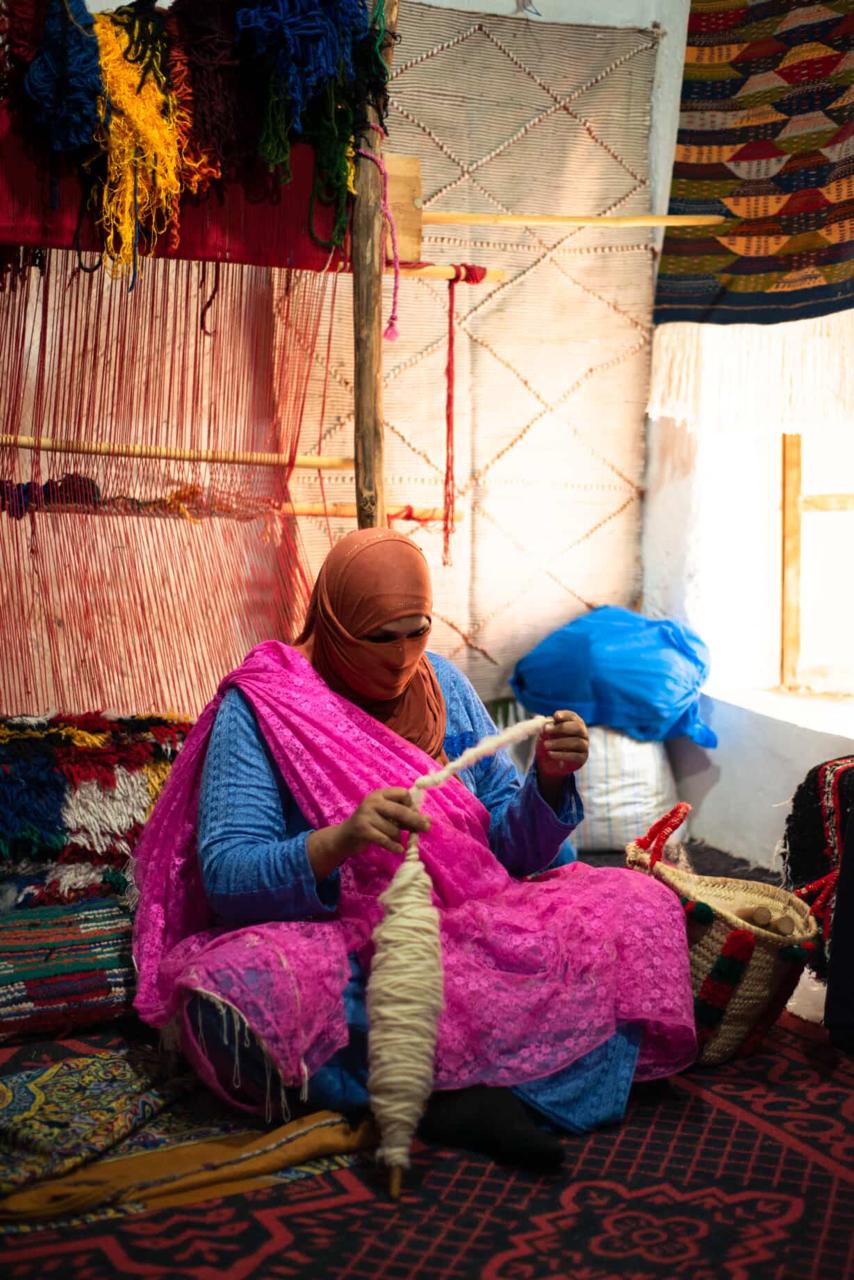
On the loom, Berber women weave instinctively, without sketches or patterns. Guided by memory and tradition, their hands move rhythmically — knot by knot, line by line — transforming raw wool into art. Every rug is unique, marked by slight irregularities that celebrate the authenticity of human touch.

Berber House Rugs proudly collaborates with rural cooperatives that preserve these eco-friendly and sustainable techniques. This ensures that every purchase supports both cultural preservation and fair income for Moroccan artisans.
Alt text suggestion: “Berber woman handweaving a Moroccan rug on a traditional loom.”

How to Choose the Perfect Moroccan Rug for Your Home

1. Consider Your Space and Style

When choosing a Moroccan rug, start with your room’s size and purpose. A large Beni Ourain rug with soft neutral tones can bring calm and warmth to a minimalist living room, while a colorful Azilal or Zanafi rug adds personality to a bohemian or eclectic space.

2. Balance Color and Texture

Moroccan rugs are incredibly versatile. Their natural fibers and earthy colors harmonize beautifully with modern, Scandinavian, or rustic interiors. To make your rug stand out, pair it with neutral furniture and let its patterns speak for themselves.

3. Embrace the Imperfections

Every handmade rug carries small variations — a slightly uneven line or an asymmetrical motif — that mark its authenticity. These imperfections are not flaws but signatures of the artisan’s hand, making your rug one-of-a-kind.

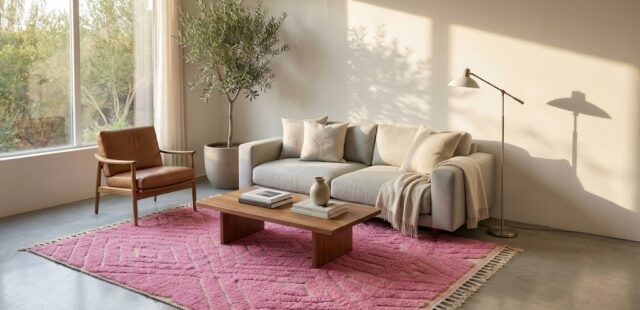
Alt text suggestion: “Handwoven Beni Ourain rug styled in a modern living room.”

Why Invest in an Authentic Berber Rug

In a world of mass-produced décor, an authentic Moroccan rug is a statement of timeless beauty and conscious living. Each piece represents:

  • Longevity: Made from high-quality wool and natural dyes, Berber rugs are durable and designed to last for generations.
  • Ethical Value: Purchasing directly from artisan cooperatives supports women’s economic empowerment and preserves cultural craftsmanship.
  • Emotional Connection: Every rug carries a story — a tangible expression of Morocco’s living heritage woven into your home.

Unlike machine-made rugs, a handwoven Moroccan rug continues to evolve with time — its fibers softening, its colors deepening, and its symbolism growing more personal as it becomes part of your life.

Conclusion — Bringing Moroccan Heritage Home

Owning a Moroccan rug is more than an aesthetic choice — it’s a way of embracing culture, sustainability, and artistry. Each rug from Berber House Rugs connects your home to the heart of Morocco, bringing with it warmth, history, and meaning.

Let your home tell a story that transcends time. Explore our handmade Moroccan rug collection and find the piece that resonates with your soul — a true heirloom of Moroccan craftsmanship.

Looms as Living Symbols in Berber Culture

In Moroccan Berber traditions, the loom is far more than a tool — it is regarded as a living entity, carrying spiritual significance in every weaving session. Known as نول (nawl) in Arabic, the loom embodies protection, blessings, and continuity of cultural heritage. Each thread passed through the loom is infused not only with skill but also with spiritual intention, linking the physical and metaphysical realms.

Rituals and the Power of “Bismillah”

Before starting their work, Berber women recite the prayer “Bismillah” (In the name of Allah). This invocation is believed to invoke divine protection over the rug, the weaver, and her family. By reciting this ritual at the beginning of weaving, the textile gains barakah, a blessing that multiplies goodness, safeguards the process, and transforms the rug into a spiritual shield.

The practice highlights the intimate connection between art, spirituality, and everyday life in Berber culture. Each rug becomes more than decoration — it is a vessel carrying protection and positive energy throughout its existence.

Tools and Symbolic Protection

Berber weaving incorporates specific tools imbued with symbolic power:

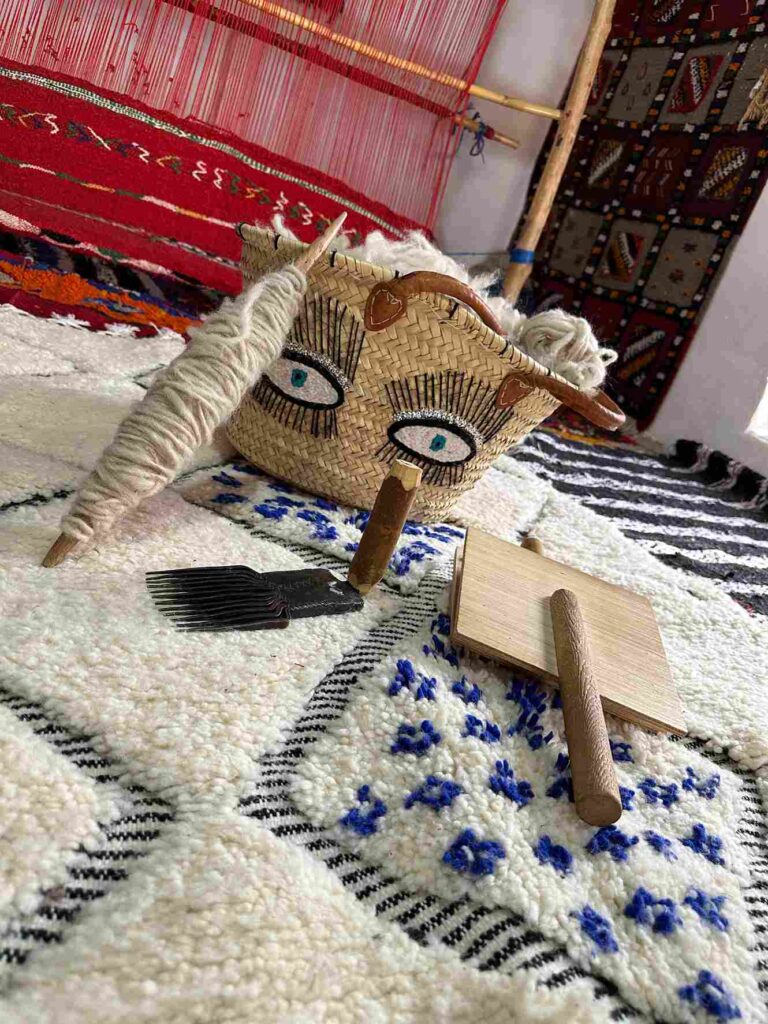
  • Mushts: Small comb-like hammers used to compress and align threads. Their handles are carved with protective symbols to ward off evil.
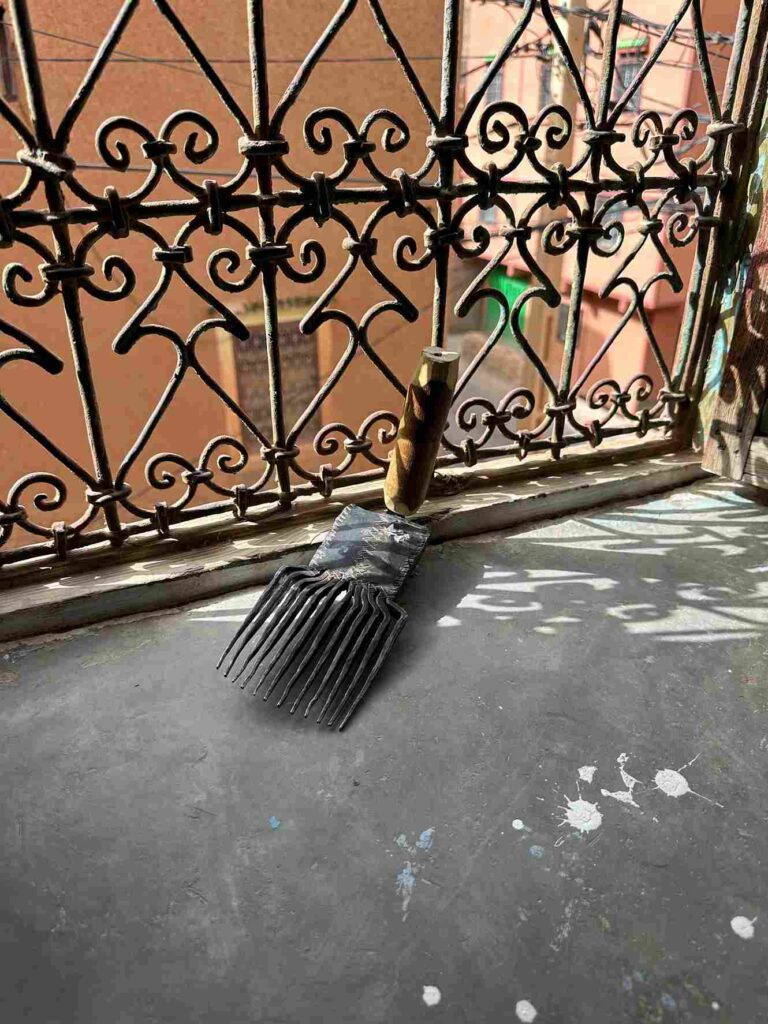
  • Taska: Iron combs used after each row to ensure alignment and structural integrity.
  • Zerbiya: Pile knots that form the intricate patterns, sometimes carrying hidden symbolic meanings to protect the weaver and her family.

Many of these motifs are also woven directly into the carpets, creating double layers of protection — both functional and symbolic. This combination of tools, rituals, and patterns ensures that the rug is not just aesthetically valuable but spiritually potent as well.

Spiritual Awareness in Every Thread

The process of weaving demands constant mindfulness. Wool is considered lucky, yet the weaver must remain alert to prevent negative energy from entering the threads. With every knot and every pass of the weft, the artisan channels intention, care, and spiritual awareness, turning the rug into a living object of protection and blessing.

The design of the rug itself often functions as a “woven net” to guard against evil forces, creating barakah that extends beyond the loom to the home and family where the rug will reside.

Preserving Cultural Heritage Through Ritual

Berber weaving has survived for centuries despite challenges like illiteracy and nomadic shifts. Knowledge of the loom, prayers, and symbolic tools is passed orally from elder women to younger apprentices. This ensures that both the technical and spiritual aspects of weaving are preserved, making every rug a continuation of Morocco’s cultural patrimony.

At Berber House Rugs, we honor this tradition by working with skilled women weavers who maintain these sacred practices, ensuring each rug is a unique piece of art infused with centuries of heritage and spiritual significance.

Conclusion: More Than Just a Rug

A Berber rug is not just a decorative object. It is a vessel of heritage, spirituality, and protection. From the loom’s sacred presence to the rituals, symbols, and meticulous craftsmanship, every rug carries barakah that safeguards the weaver, the textile, and the home it adorns.

By owning a handwoven Berber rug from Berber House Rugs, you are embracing centuries of Moroccan tradition, artistry, and spiritual richness, woven with the skill and devotion of women artisans dedicated to preserving this extraordinary craft.

The Social Art of Weaving in Morocco

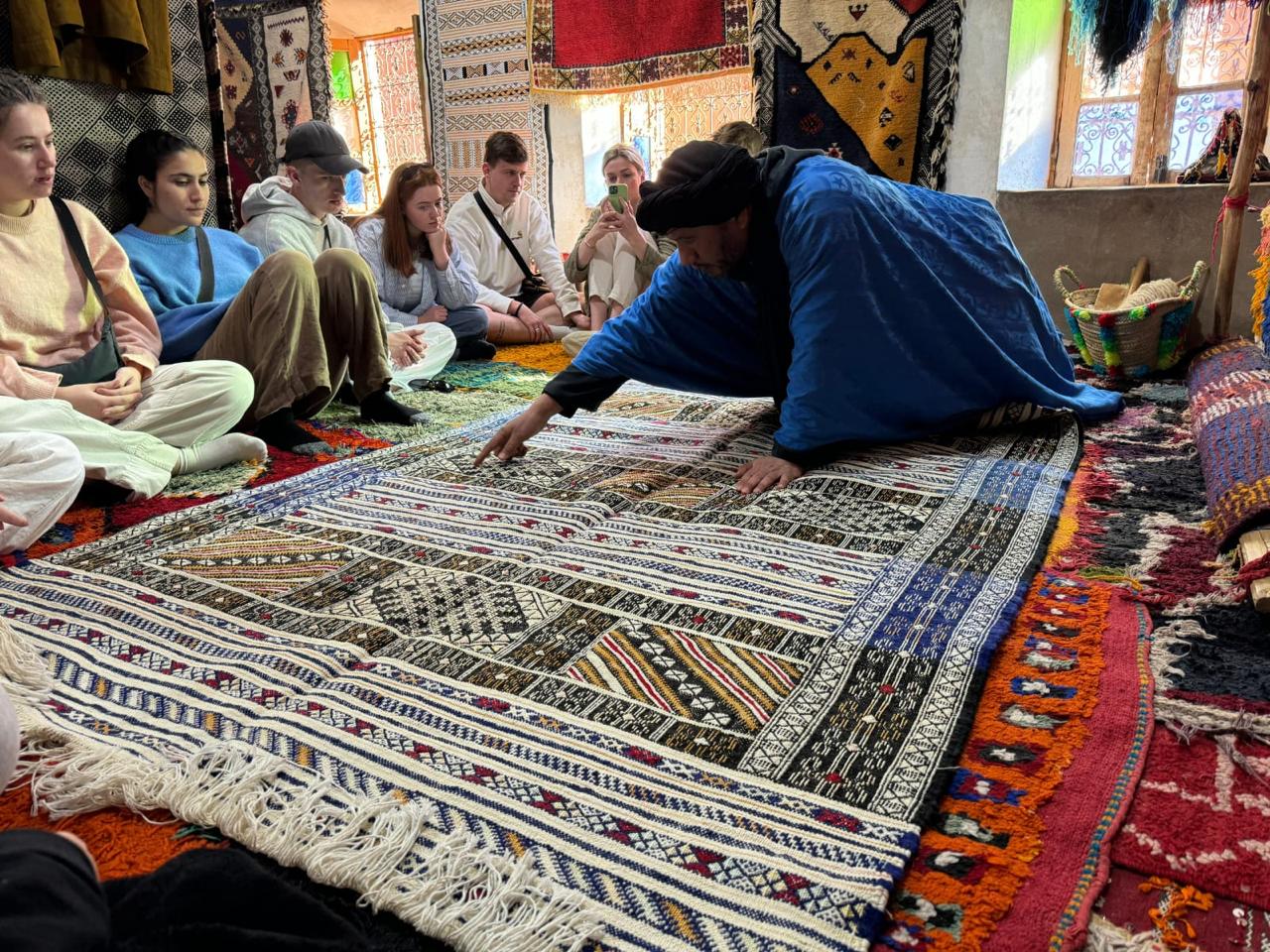
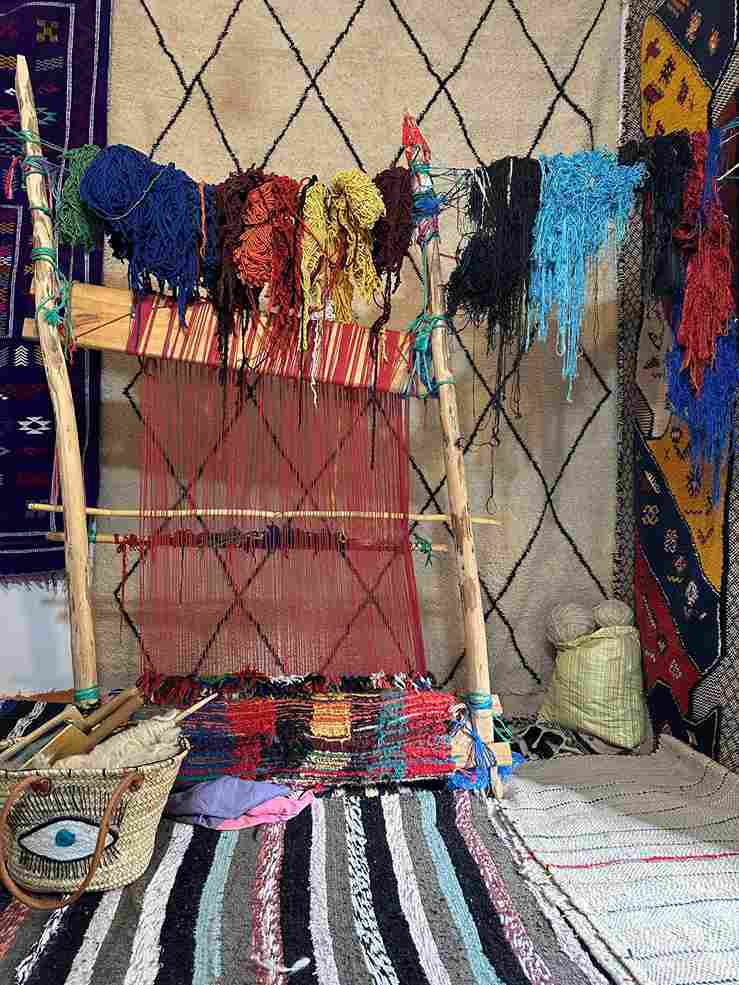
In the rural areas of Morocco, weaving is more than just craftwork — it is a social and cultural gathering. Berber women sit at tall wooden looms, singing songs of prosperity, romance, and magic while they weave. These gatherings create a space of storytelling, tradition, and learning, where daughters and young girls observe and assist. Inside our house, talented Berber women continue this legacy, specializing in the ancient art of handwoven Moroccan rugs.

An Ancient Tradition Passed Down Generations

For Berber women, weaving is an age-old tradition that commands respect and prestige. A young girl traditionally learns the art of weaving from her mother or female relatives. Every stage — from washing the wool and spinning the yarn to dyeing and weaving — is carried out by women in nearly every Berber tribe. The result is not only a rug but a living testimony of Morocco’s cultural identity.

Patience, Precision, and Craftsmanship

Weaving is a patient art that requires dedication and time. The looms are often taller than the women themselves, resembling large wooden frames. Working in cooperatives of 20 to 40, weavers may continue each other’s work, ensuring the rug progresses without pause. While a simple carpet may take weeks, the most detailed and symbolic designs can take months to complete. Each rug carries within it the rhythm of hands, chants, and generations.

Symbolism, Protection, and the Loom’s Spiritual Role

For centuries, weaving in Morocco has been seen as more than an art — it is a living tradition with spiritual meaning. The loom itself is believed to carry barakah (blessing), a divine force that increases goodness and protects the weaver. Tools like the mushts (weaver’s hammer combs) are carved with protective designs and symbols, many of which are also woven directly into Moroccan rugs.

Before starting, women recite a prayer — “Bismillah” (In the name of Allah) — to safeguard their work. The finished rug is not just a decorative object but a protective shield, believed to guard against the evil eye and harmful spirits. Each symbol woven into the textile adds another layer of meaning, transforming the rug into both art and spiritual defense.

Knowledge Passed Through Generations

Despite high illiteracy rates in rural areas, weaving knowledge has survived without written instructions or schools. Skills are passed down orally, from elder weavers to younger apprentices. This oral tradition ensures that weaving continues as a cultural patrimony of Morocco. Tools like the taska (iron comb) and techniques such as the zerbiya (pile knotting) remain central to the process, ensuring durability and precision in every carpet.

Conclusion: Guardians of Morocco’s Cultural Heritage

The women of the loom are more than artisans — they are storytellers, guardians, and cultural preservers. Each Moroccan rug they create carries with it chants of the past, prayers for protection, and the resilience of Berber women who continue to keep this tradition alive. To own a Moroccan rug is to carry a piece of this heritage, woven with history, symbolism, and soul.

Sign Up Newsletter

Sign up our newsletter and save 25% off for the next purchase!

Subscribe to our newsletters and don’t miss new arrivals, the latest fashion updates and our promotions.