

How to Tell if a Moroccan Berber Rug Is Authentic: 9 Signs to Look For
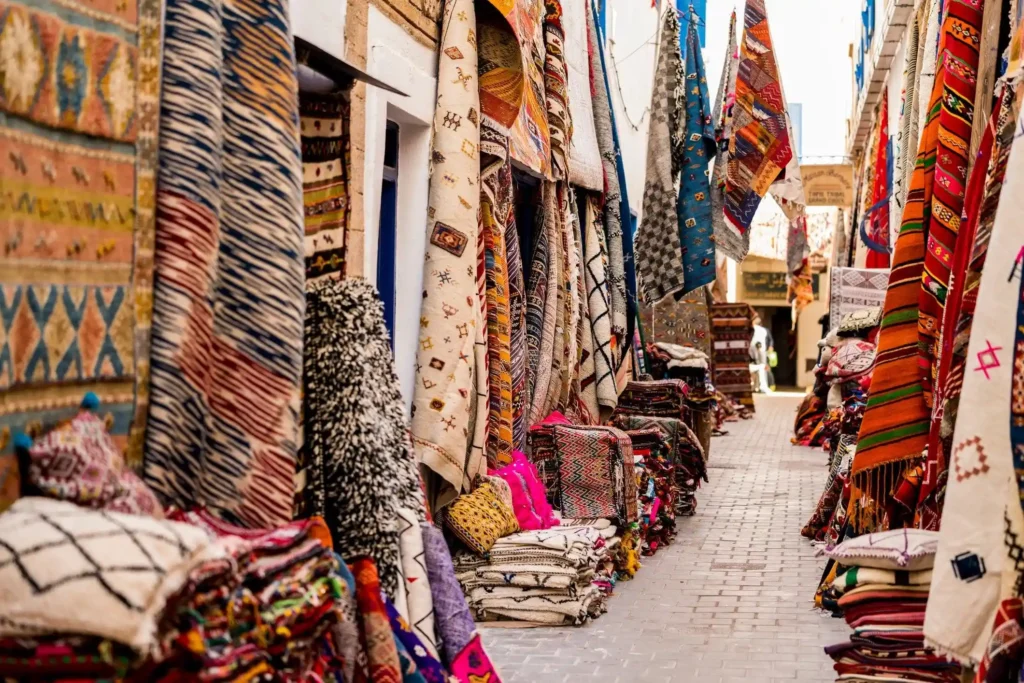
Moroccan Berber rugs have become one of the most admired handmade textiles in the world. Their soft natural wool, tribal symbolism, and timeless beauty make them a favorite for interiors ranging from minimalist homes to traditional spaces. But as demand grows, so does the number of machine-made and imitation rugs sold as “authentic.”
If you are shopping for a real authentic Moroccan Berber rug, it is important to know what separates a genuine handwoven piece from a mass-produced copy. In this guide, we share the most important signs to look for before buying.
At Berber House Rugs, we work directly with skilled artisans in Morocco to offer handwoven rugs made with traditional techniques, natural wool, and true tribal heritage.
1. Check if the rug is handwoven, not machine-made
The first sign of an authentic Moroccan rug is its construction. A real Berber rug is handwoven, which means it will not look perfectly uniform.
Because it is made by hand, you may notice:
- slight variations in pattern
- small irregularities in the weave
- a shape that is not perfectly symmetrical
- differences in knot size or line spacing
These details are not flaws. They are part of the beauty of handmade work and a sign that a real artisan created the rug.
Machine-made rugs often look too perfect, with identical patterns and highly uniform stitching throughout.
2. Look for natural wool
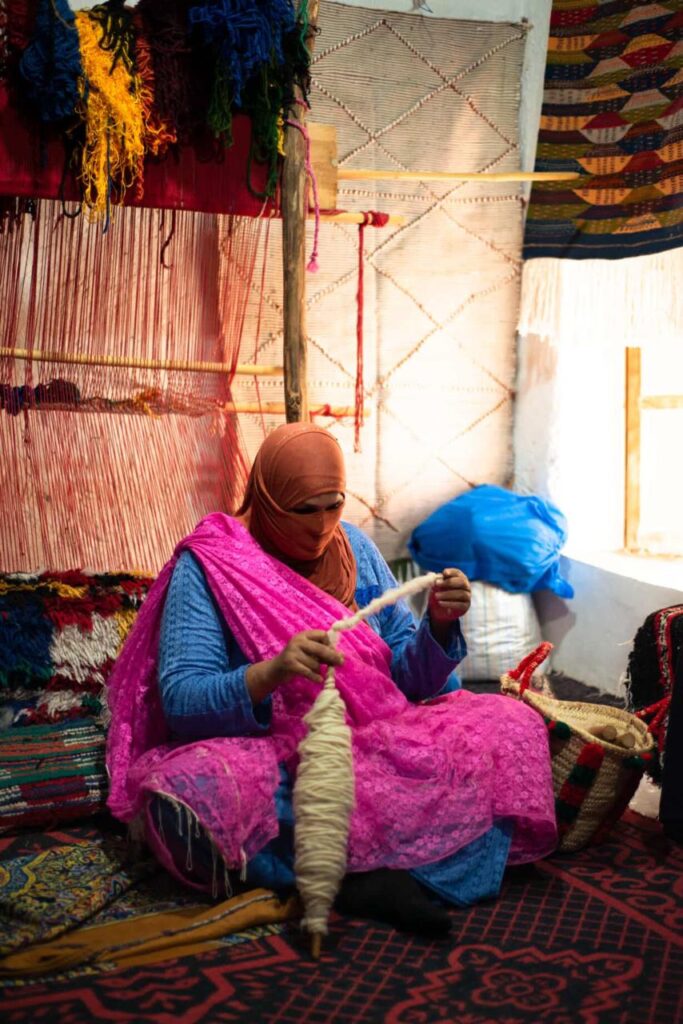
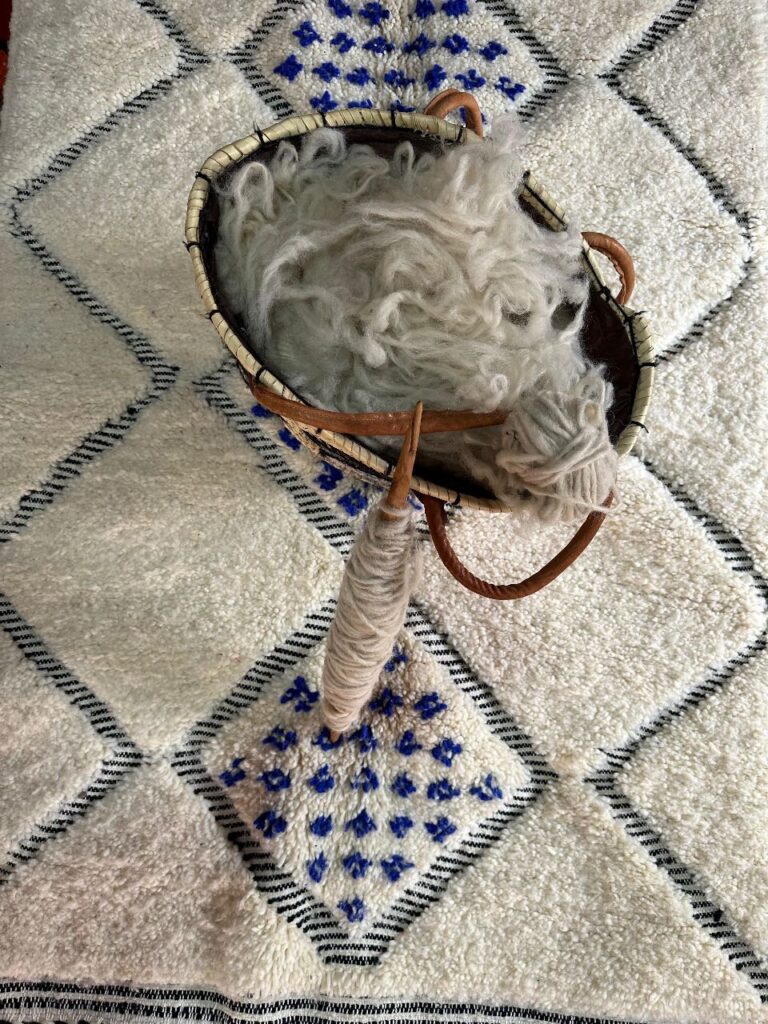
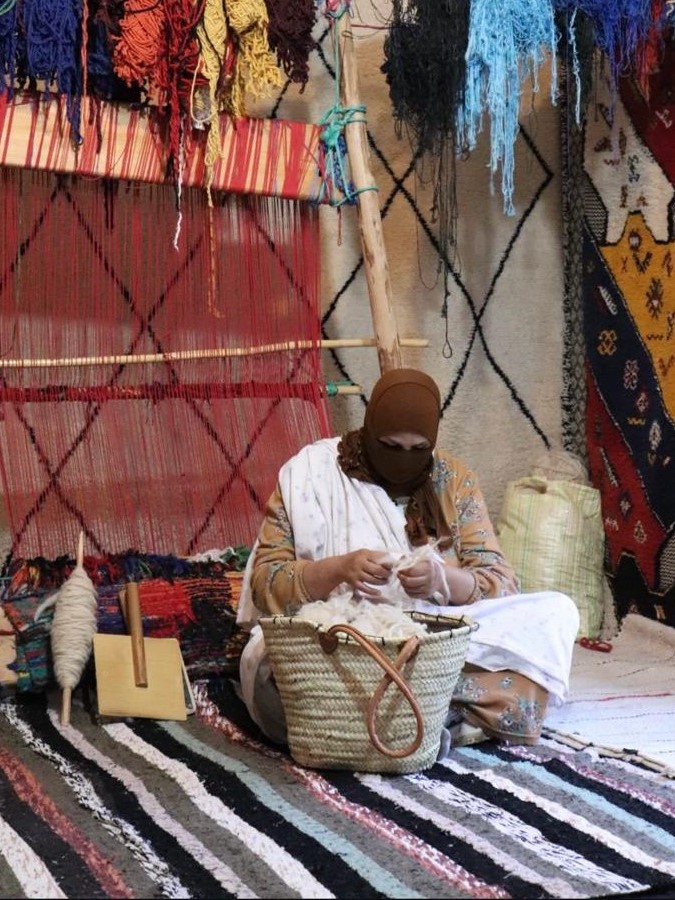
Authentic Berber rugs are traditionally woven from premium natural wool. Moroccan wool is valued for its warmth, softness, durability, and rich texture.
A genuine wool rug often feels:
- soft but substantial
- slightly oily or lanolin-rich
- warm and breathable
- dense underfoot
Synthetic rugs may feel overly smooth, plastic-like, or unnaturally shiny. If the material looks too glossy or feels thin, it may not be genuine wool.
To learn more about traditional rug-making materials, visit our Materials & Craftsmanship page.
3. Notice the tribal motifs and symbolic patterns
One of the most special aspects of an authentic Moroccan Berber rug is its symbolism. Traditional Berber rugs often include motifs that represent protection, fertility, femininity, family, nature, or spiritual blessings.
Common signs of authentic tribal design include:
- diamonds
- lozenges
- zigzags
- crosses
- stepped patterns
- abstract lines
These symbols are not randomly decorative. In many cases, they are part of a weaver’s cultural language and storytelling tradition.
If you want to explore this more deeply, read about Berber Rug Symbols & Meanings on our site.
4. Authentic rugs often have slight imperfections
A real handmade Moroccan rug should not look factory-perfect. Slight irregularities are often one of the clearest signs of authenticity.
Examples include:
- minor asymmetry
- uneven fringe length
- subtle variation in color tones
- shifting geometric lines
These variations happen naturally when a rug is woven by hand on a traditional loom. They reflect human craftsmanship and individual artistic expression.
By contrast, fake rugs often aim for exact duplication and can appear too consistent across the entire surface.
5. Check the back of the rug
Turning the rug over can reveal a lot. On an authentic handwoven Berber rug, the back should show the pattern in a way that resembles the front, though with a more textured or muted finish.
Things to look for:
- visible knots or weaving structure
- pattern clarity on both sides
- handmade irregularity rather than printed backing
- no glued layers or machine mesh
If the underside looks overly polished, synthetic, or glued, it may be machine-made.
6. The colors should feel natural, not overly artificial
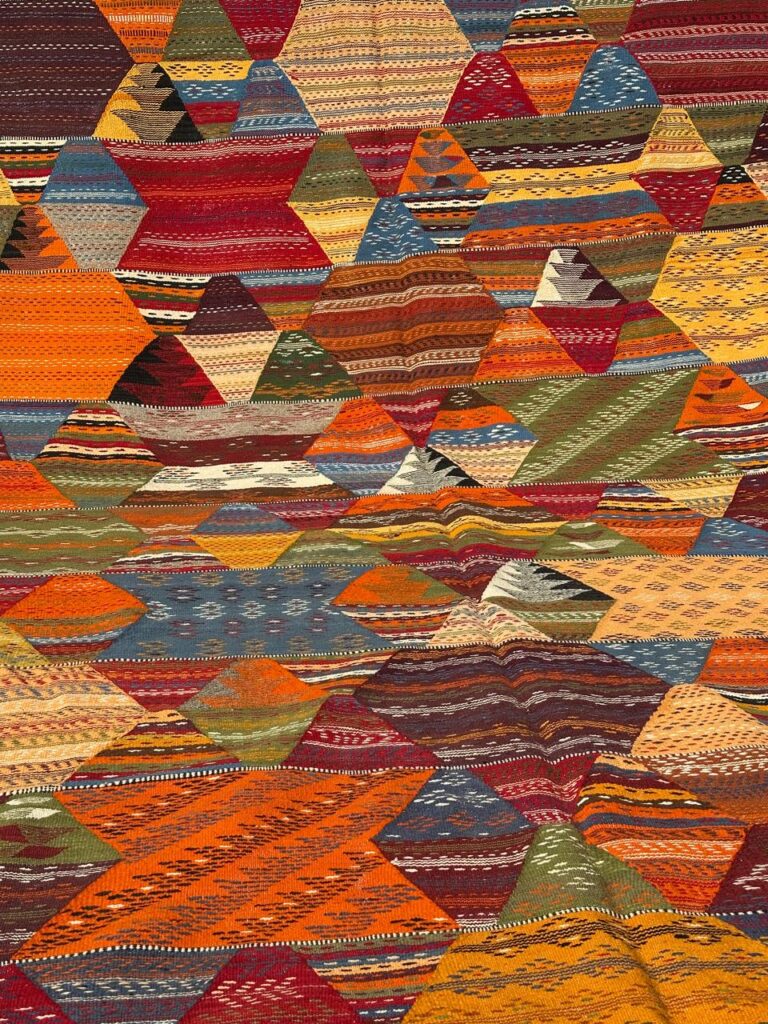
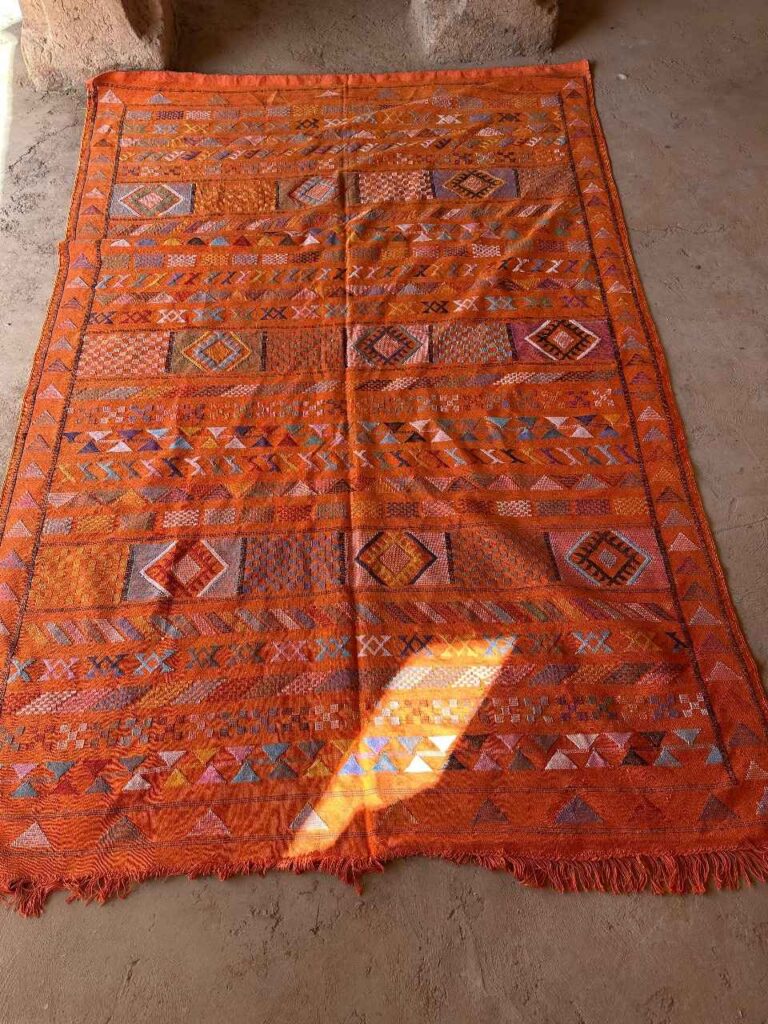
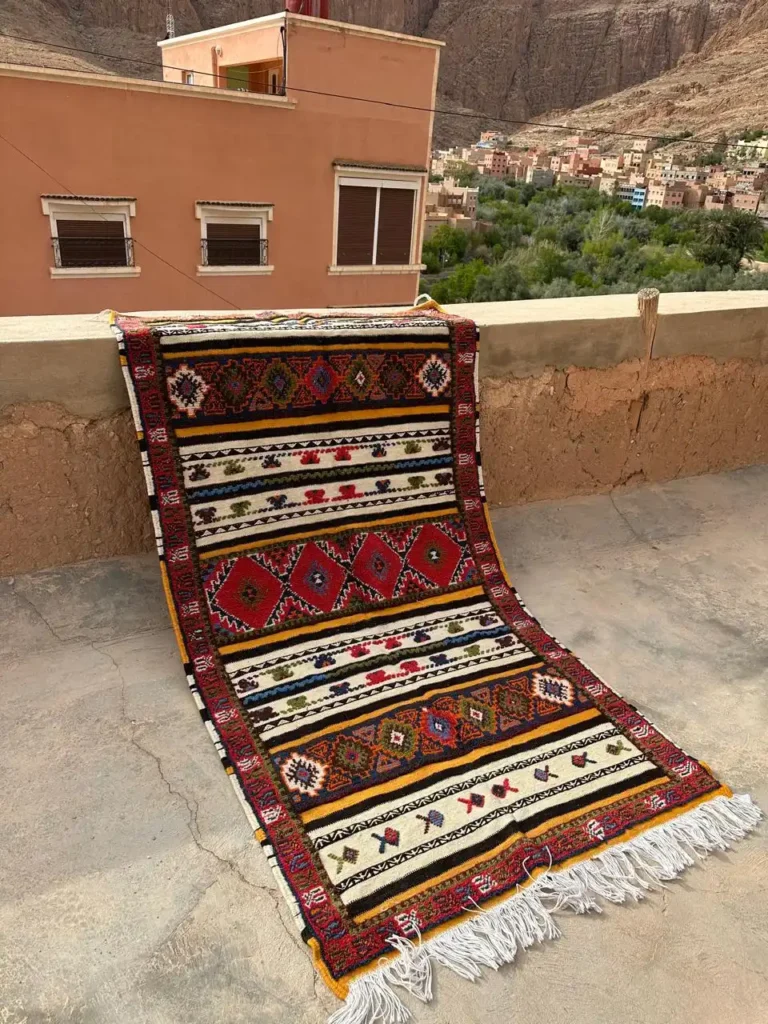
Traditional Moroccan rugs are often made in natural ivory, cream, brown, black, red, ochre, and earthy tones. While modern weavers also create vibrant designs, authentic pieces usually have depth and softness in color rather than a flat artificial look.
Natural or artisan-dyed wool tends to show:
- tonal variation
- softness in color transitions
- richness without harsh chemical brightness
A rug with extremely neon shades or very flat color may be less likely to be traditionally made, though this depends on the region and style.
7. Know the regional styles
Different Moroccan Berber rugs come from different weaving regions, and authenticity often becomes clearer when you understand these styles.
Beni Ourain rugs
Known for:
- soft thick wool
- cream or ivory backgrounds
- black or brown geometric lines
- minimalist elegance
Taznakht rugs
Known for:
- vibrant colors
- intricate motifs
- dense weaving
- strong symbolic language
Glaoui rugs
Known for:
- flatweave or mixed texture
- bold tribal patterns
- rich color combinations
Browsing trusted Rug Collections can help you compare authentic regional styles and recognize their differences.
8. Ask where and how the rug was made
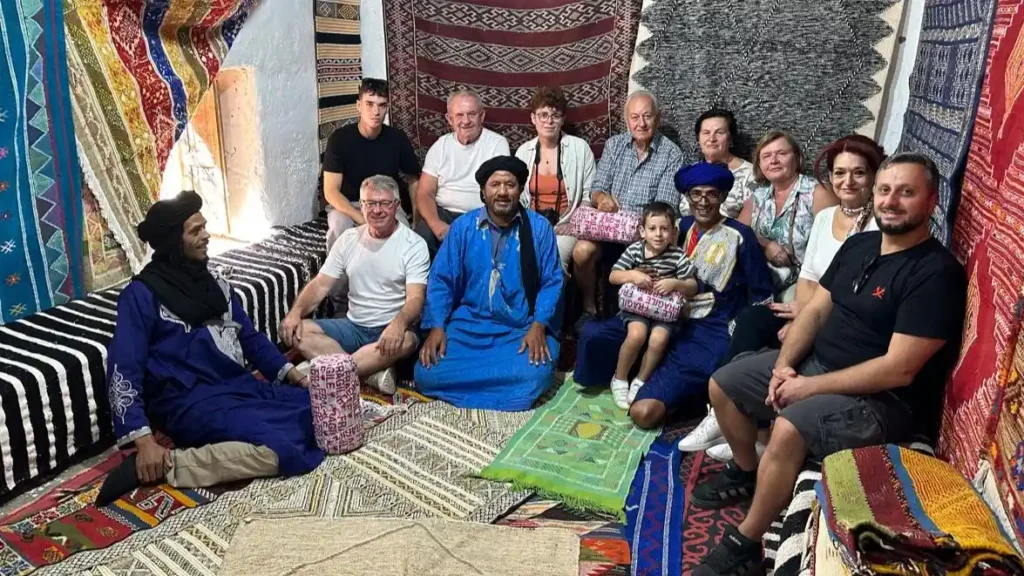
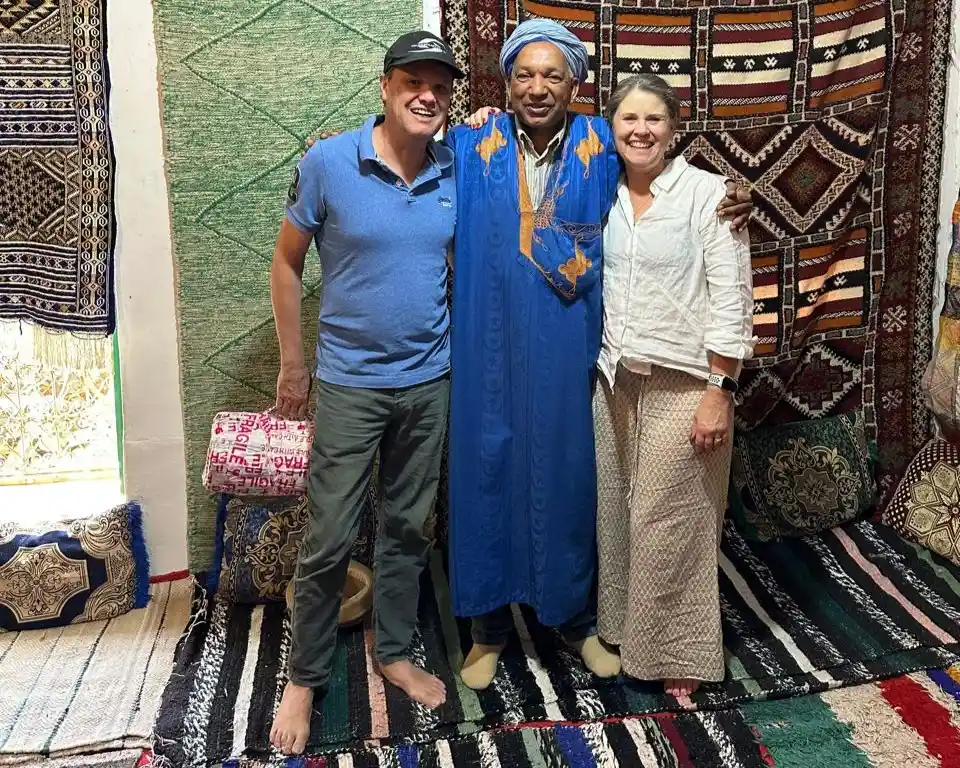
A trustworthy seller should be transparent about the origin of the rug, the materials used, and whether it was handmade by artisans.
Before buying, ask:
- Where was this rug woven?
- Is it handmade or machine-made?
- What material is used?
- Was it made by Berber artisans in Morocco?
- Is it one-of-a-kind?
A reputable source should be able to answer clearly and confidently.
At Berber House Rugs, our rugs are handwoven in Morocco by skilled Atlas Mountain artisans using natural wool and traditional techniques. Learn more on our About Us page.
9. Buy from a specialized Moroccan rug seller
One of the safest ways to buy an authentic Moroccan Berber rug is to choose a seller that specializes in Moroccan weaving traditions rather than a general home décor marketplace.
A specialized rug store is more likely to offer:
- genuine handmade pieces
- clear origin details
- artisan knowledge
- regional expertise
- customer guidance before purchase
If you have questions about selecting the right rug, our FAQ page can help, or you can reach out directly through our Contact page.
Why authenticity matters
Buying an authentic Berber rug is about more than design. It means investing in:
- real craftsmanship
- natural materials
- cultural heritage
- artisan livelihoods
- a unique piece with lasting value
Every handmade Moroccan rug tells a story. No two pieces are exactly alike, and that individuality is part of what makes them special.
Shop authentic Moroccan Berber rugs
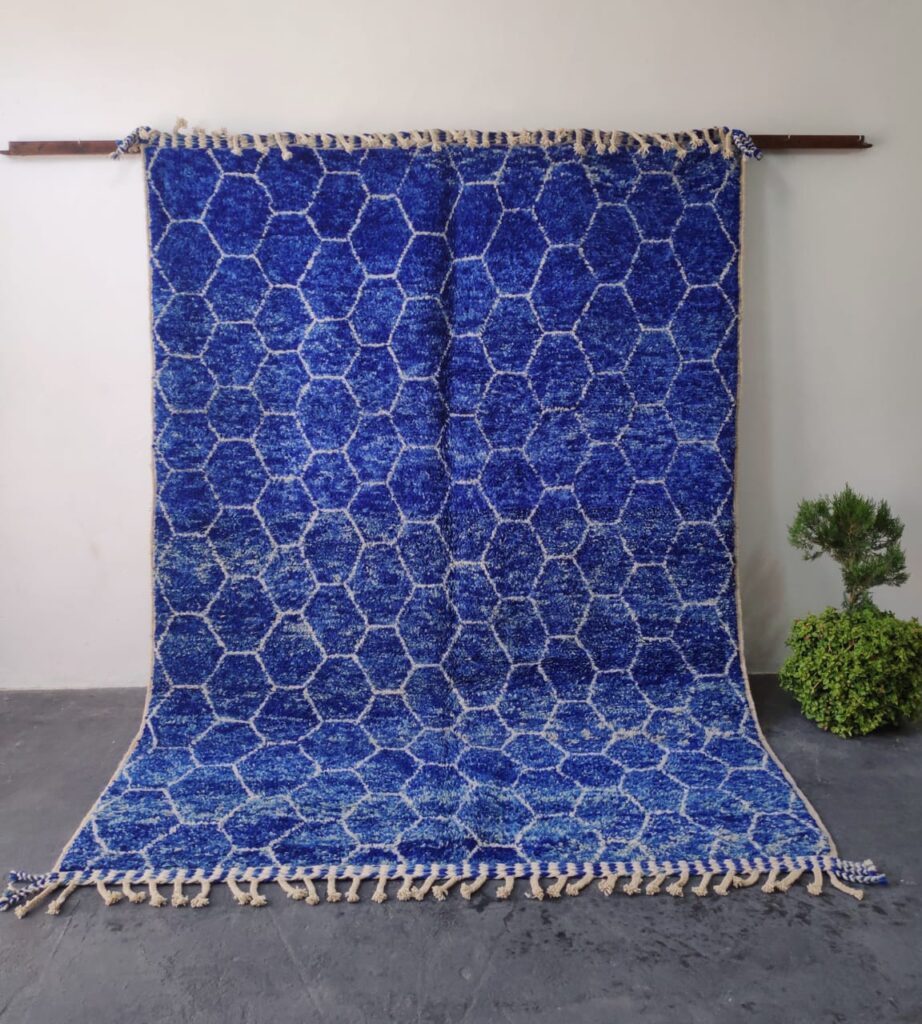
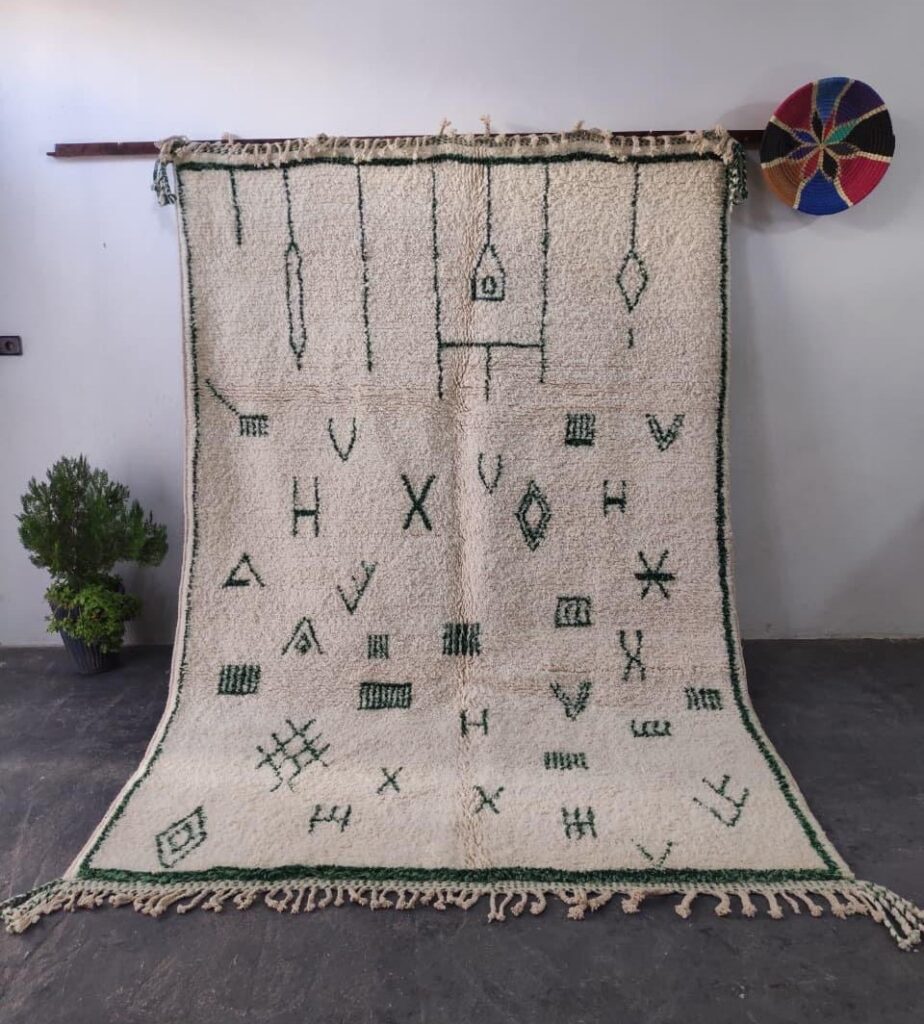
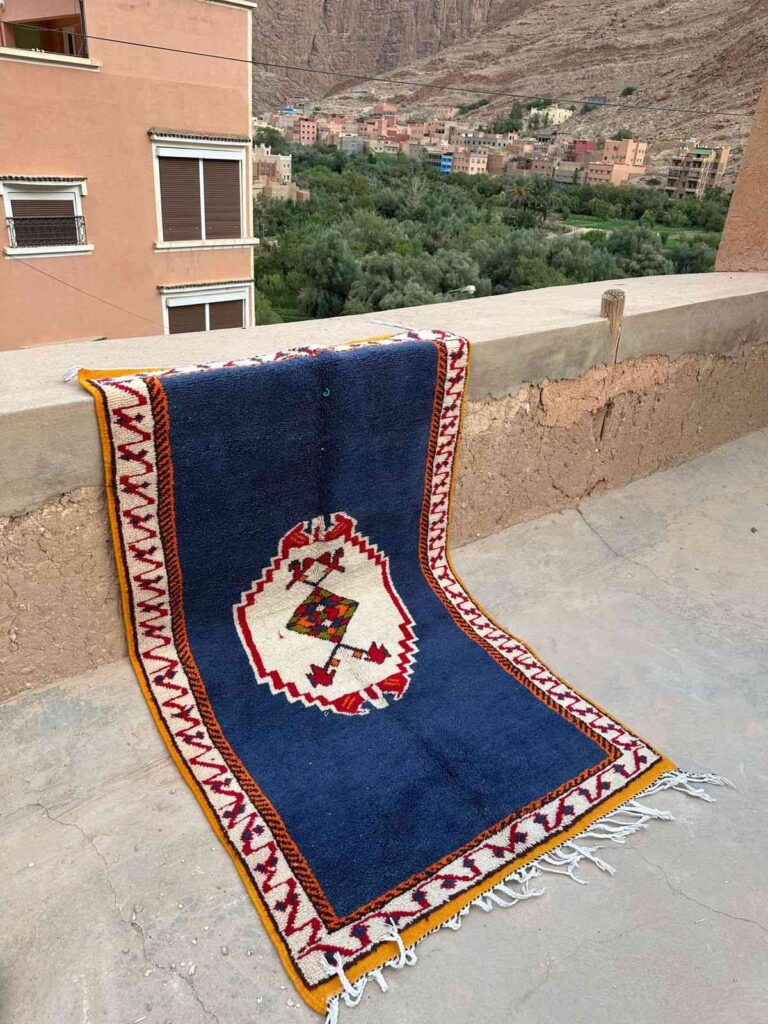
If you are looking for a genuine handmade rug, explore our curated Moroccan Berber Rug Collections. We offer authentic handwoven rugs crafted by skilled Moroccan artisans using premium wool and traditional tribal motifs.
Whether you are searching for a Beni Ourain rug, a colorful Taznakht rug, or a distinctive Glaoui rug, our collections celebrate the beauty and authenticity of Moroccan weaving traditions.
Final thoughts
Knowing how to identify an authentic Moroccan Berber rug can help you shop with confidence and avoid imitations. Look for natural wool, handwoven construction, tribal motifs, regional identity, and signs of true artisan craftsmanship.
A real Berber rug is never just a decorative object. It is a handmade work of art rooted in tradition, symbolism, and generations of weaving knowledge.
If you are ready to find the perfect piece for your home, visit our blog for more guides or browse our authentic Moroccan rug collections today.
Authentic Moroccan Berber Rugs FAQ?
How can I tell if a Moroccan rug is handmade?
A handmade Moroccan rug usually has slight irregularities in shape, pattern, and knotting. These variations are signs of artisan craftsmanship rather than machine production.
Are authentic Berber rugs made of wool?
Yes, most authentic Berber rugs are made from natural wool, valued for its softness, warmth, and durability.
Do real Beni Ourain rugs have imperfections?
Yes. Small imperfections are normal in handwoven Beni Ourain rugs and reflect the fact that each piece is made by hand.
Where can I buy an authentic Moroccan Berber rug?
You can buy authentic Moroccan Berber rugs from specialized sellers such as Berber House Rugs, where handmade rugs are sourced directly from Moroccan artisans.