
Moroccan Rug Buying Guide: 7 Things to Know Before You Order Online (2026 Edition)
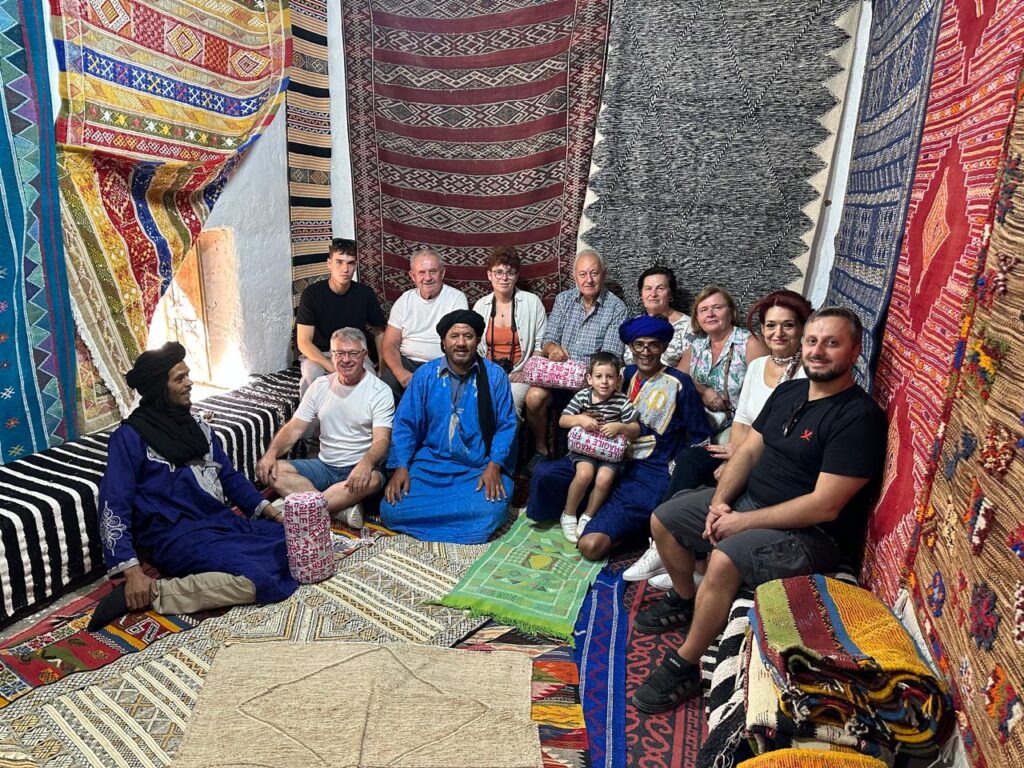
Buying a Moroccan rug online means committing to a piece you’ve only seen in photos — often a significant investment in a handmade item shipped from thousands of miles away. As we move through 2026, the online marketplace for home décor is bigger than ever, but buying a genuine artisanal piece requires a different approach than buying mass-produced furniture. It’s a bigger leap of faith, and it’s completely reasonable to want absolute clarity before you click “order.”
This guide walks through the seven essential things worth understanding before you buy: how to verify authenticity, how sizing actually works for handwoven pieces, what a good product listing should tell you, what to expect from international shipping, return policies, pricing, and how to choose between rug styles. By the end, you’ll know exactly what to look for — and what questions to ask if that information is missing.
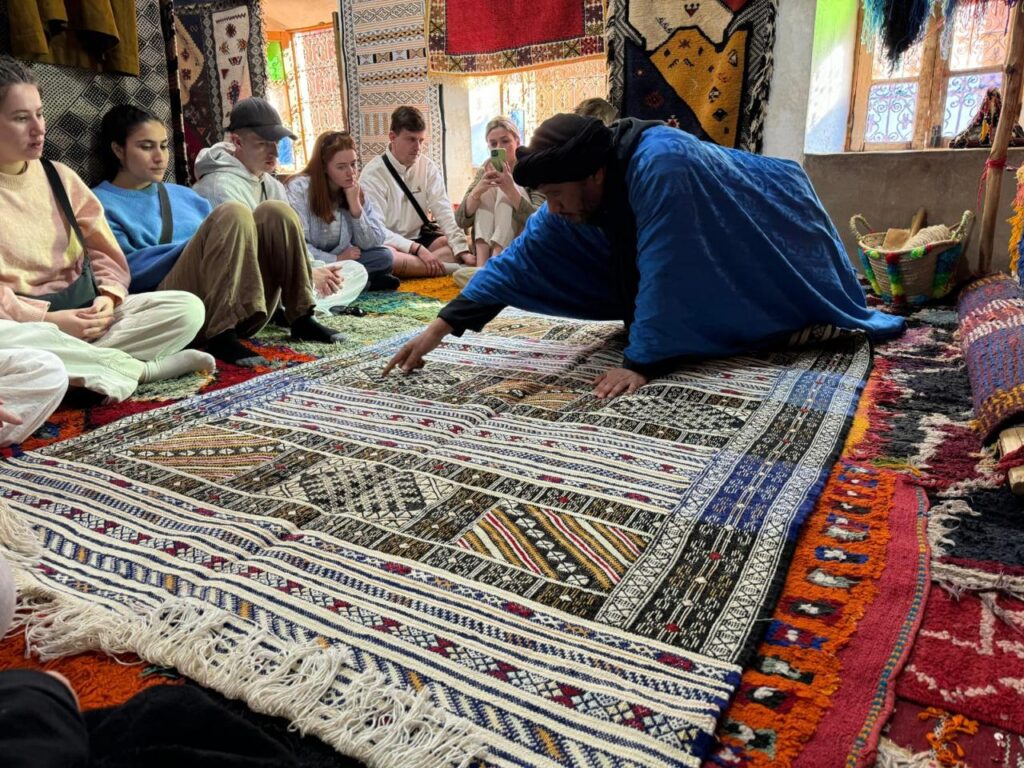
Table of Contents
- Verify Authenticity Before You Buy
- Understand How Sizing Works for Handwoven Rugs
- Know How to Read a Product Listing
- Understand Shipping and Delivery Timeframes
- Check the Return and Exchange Policy
- Know What Affects the Price
- Choose the Right Style for Your Space
- FAQ
1. Verify Authenticity Before You Buy
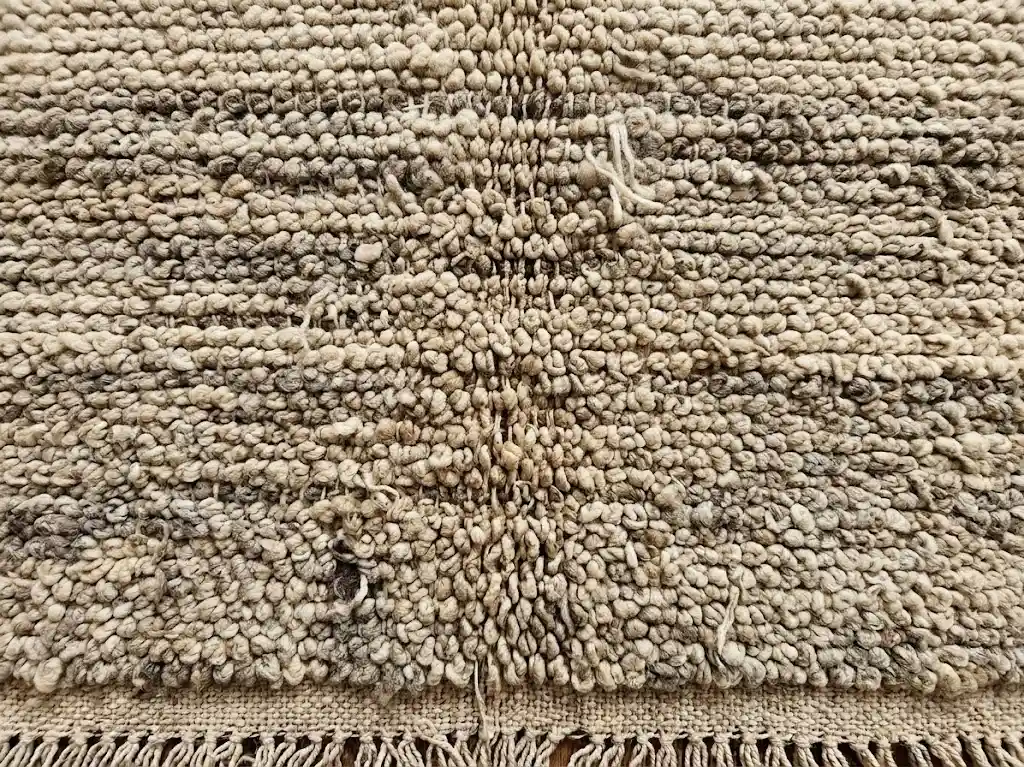
The single biggest concern with buying a Moroccan rug online is making sure it’s genuinely handwoven by artisans, not a machine-made imitation from a factory. A few visual signs separate the real thing from a knockoff: irregular knots, slight asymmetry on the back of the rug, and natural (not perfectly uniform) coloring. Additionally, genuine Moroccan rugs feature fringes that are a natural extension of the warp threads, whereas fake rugs often have fringes sewn on as an afterthought.
A trustworthy seller will be fully transparent about where and by whom the rug was made. Look for listings that mention the specific weaving region or tribe (like the Middle Atlas or High Atlas mountains) and the materials used (such as live sheep’s wool). Ideally, the shop should provide close-up, high-resolution photos of the back of the rug, where the hand-knotting process is most visible. If a listing is vague or only shows highly edited studio photos with no texture detail, step back. For a deeper dive, read our full guide on how to tell if a Moroccan Berber rug is authentic.
2. Understand How Sizing Works for Handwoven Rugs
Because handwoven rugs are made on a traditional wooden loom by hand rather than cut by a laser to a machine-exact size, the dimensions listed can vary slightly. The width of a genuine rug is dictated by the weaver’s loom, and the tension of the wool can shift naturally during the weaving process.
A rug listed as 8′ x 10′ might measure 7’10” x 10’2″ once it’s off the loom and washed. This slight variation is completely normal; it is not a flaw. In fact, it is one of the clearest signs that a rug is genuinely handmade rather than mass-produced. Before ordering, measure your space and decide on a size range rather than one exact number. Choose a seller who is upfront about this natural variation. If you aren’t sure where to start, check our guide on what size rug you need for your specific room layout.
3. Know How to Read a Product Listing
A complete, trustworthy product listing should act as a virtual salesperson, answering your questions clearly. When evaluating a rug online, look for these specific details:
- Material: Is it made from 100% natural live wool, recycled fabric, or a wool-cotton blend?
- Dimensions: Are the exact measurements provided in both feet/inches and centimeters?
- Origin: Where was it made, and by which weaving tradition (e.g., Beni Ourain, Boujad, Azilal)?
- Age: Is it newly woven, or is it a vintage piece? Vintage pieces will often have beautiful, natural fading and softer pile.
- Condition: If vintage, are there any repairs or restorations noted?
If any of this information is missing, do not hesitate to reach out to the seller directly before ordering. A legitimate handmade rug business will be eager and able to answer highly specific questions about materials and origin.
4. Understand Shipping and Delivery Timeframes
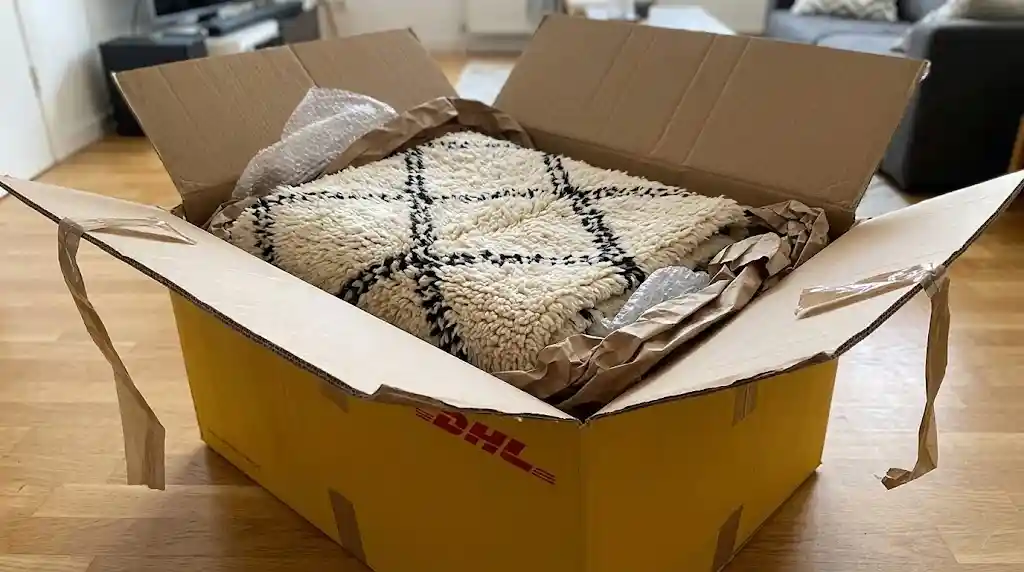
International shipping is one of the most common hesitations buyers face, especially when ordering directly from Morocco. Fortunately, global logistics have vastly improved. Look for sellers who partner with top-tier established carriers — DHL Express international shipping is the gold standard for reliable, fast rug transit — and who provide real-time tracking, insurance coverage, and signature confirmation upon delivery.
Reasonable delivery windows for international rug shipping typically fall between 5 and 10 business days, though this can vary slightly by destination. It is also important to check if the seller covers export taxes and if you will be responsible for any local customs duties upon import. Ensure the listing or checkout process clearly states an estimated delivery window before you complete your transaction.
5. Check the Return and Exchange Policy
Because each handwoven rug is an irreplaceable one-of-a-kind piece, return policies often work a little differently than standard big-box retail. Navigating consumer protections for online purchases internationally means you should always check the seller’s terms before ordering:
- Is there a return window, and how long is it (e.g., 14 or 30 days)?
- Who covers the return shipping costs for international freight?
- Are returns accepted for “change of mind,” or only for structural damage/defects?
- Are there restocking fees?
A clear, plainly written policy — not just a vague “contact us” form — is the mark of a confident seller who stands behind their craftsmanship. If you have questions about sizing or how a color will look in your specific room’s lighting, ask them before ordering rather than relying solely on the return policy as a safety net.
6. Know What Affects the Price
Handwoven rug pricing isn’t arbitrary, and the cheapest option is rarely the best value. Several concrete factors consistently affect cost:
- Size: Larger rugs require exponentially more wool and months of extra weaving time.
- Knot Density: A tighter, denser weave takes much longer to produce and yields a heavier, more durable rug.
- Wool Quality: Hand-spun, live sheep’s wool sourced from the Atlas Mountains costs more than processed, chemically treated wool.
- Dyes: Natural plant-based dyes (saffron, indigo, henna) are labor-intensive compared to synthetic chemical dyes.
Understanding this helps you compare listings fairly. A small, flatwoven Kilim and a massive, thick-pile Beni Ourain will naturally sit at very different price points. A much lower price on a seemingly identical rug from another seller warrants a closer look at the knot density and material quality before assuming it’s simply a better deal.
7. Choose the Right Style for Your Space
Finally, before ordering, it helps to narrow down which specific style fits your room and lifestyle. Are you looking for a neutral, thick-pile foundation for a minimalist space? A flatwoven, easy-to-clean piece for a high-traffic dining room? Or a bold, colorful statement piece to anchor an eclectic living room?
Knowing your aesthetic goals and room dimensions helps filter a massive online catalog down to a handful of realistic options. To make this decision easier, check out our Beni Ourain, Kilim, or Boucherouite-style comparison to find your perfect match.
FAQ — Frequently Asked Questions
Is it safe to buy a Moroccan rug online? Yes, as long as the seller is transparent about materials, origin, and sizing, offers tracked international shipping, and has a clear return policy. Checking these details before ordering significantly reduces the risk of a high-ticket online purchase.
How can I tell if an online Moroccan rug seller is legitimate? Look for detailed product listings with close-up photos showing the back of the rug, clear information about materials and weaving region, and direct contact options for questions before you buy.
How long does international shipping take for a Moroccan rug? Most international rug shipments, especially via DHL Express, arrive within 5 to 10 business days, though this can vary depending on your destination and local customs processing.
Why might my rug’s dimensions be slightly different from what was listed? Handwoven rugs are made by hand on a loom, not cut by machine, so a few inches of variation from the listed dimensions is normal and is actually a sign of authentic craftsmanship.
What should a good Moroccan rug return policy include? A clear return window, transparency about who covers return shipping costs, and clarity on whether returns are accepted for any reason or only for damage or defects.
Why do similar-looking Moroccan rugs have very different prices? Price is driven by size, knot density, wool quality, and whether the piece is new or vintage — not just appearance. Two similar-looking rugs can have genuinely different production costs and material quality behind them.
Conclusion
Buying a Moroccan rug online doesn’t have to feel like a gamble. Once you know exactly what to check — authenticity signs, realistic sizing expectations, complete product listings, shipping transparency, clear return policies, fair pricing logic, and the right style for your space — the decision becomes incredibly straightforward. The right seller will make all of this information easy to find before you ever have to ask. Once your new rug arrives, be sure to review how to clean and care for your rug so it remains a treasured heirloom for decades to come.
Ready to Find Your Perfect Piece?
Browse our full collection of authentic, handwoven Moroccan rugs, or check our FAQ page for more specific details on shipping, sizing, and returns.