

The Social Art of Weaving in Morocco
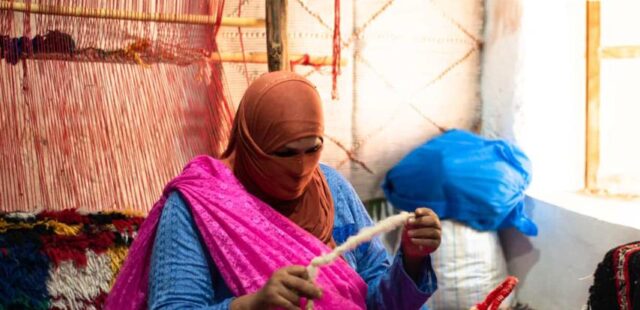
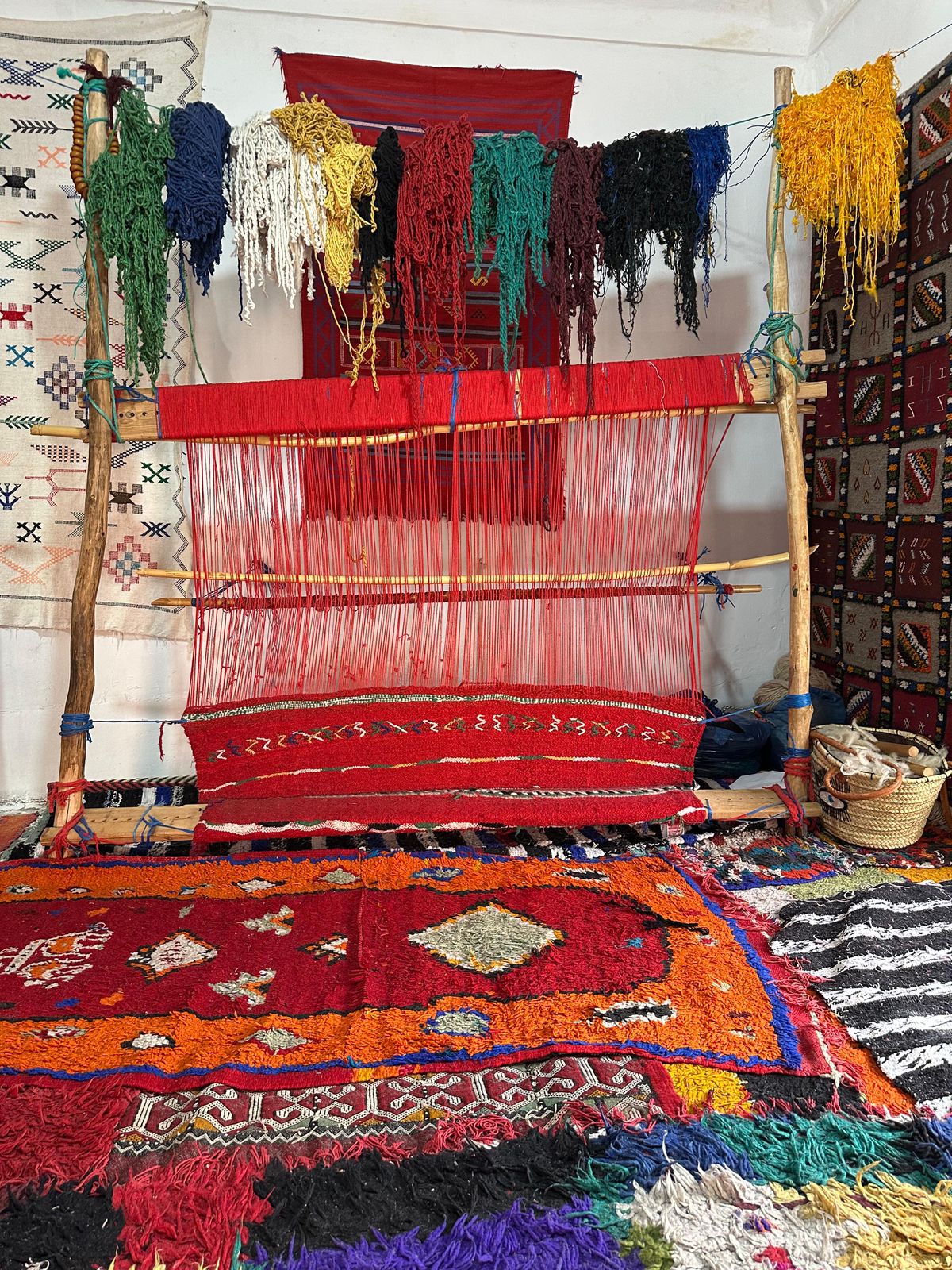
In the rural areas of Morocco, weaving is more than just craftwork — it is a social and cultural gathering. Berber women sit at tall wooden looms, singing songs of prosperity, romance, and magic while they weave. These gatherings create a space of storytelling, tradition, and learning, where daughters and young girls observe and assist. Inside our house, talented Berber women continue this legacy, specializing in the ancient art of handwoven Moroccan rugs.
An Ancient Tradition Passed Down Generations
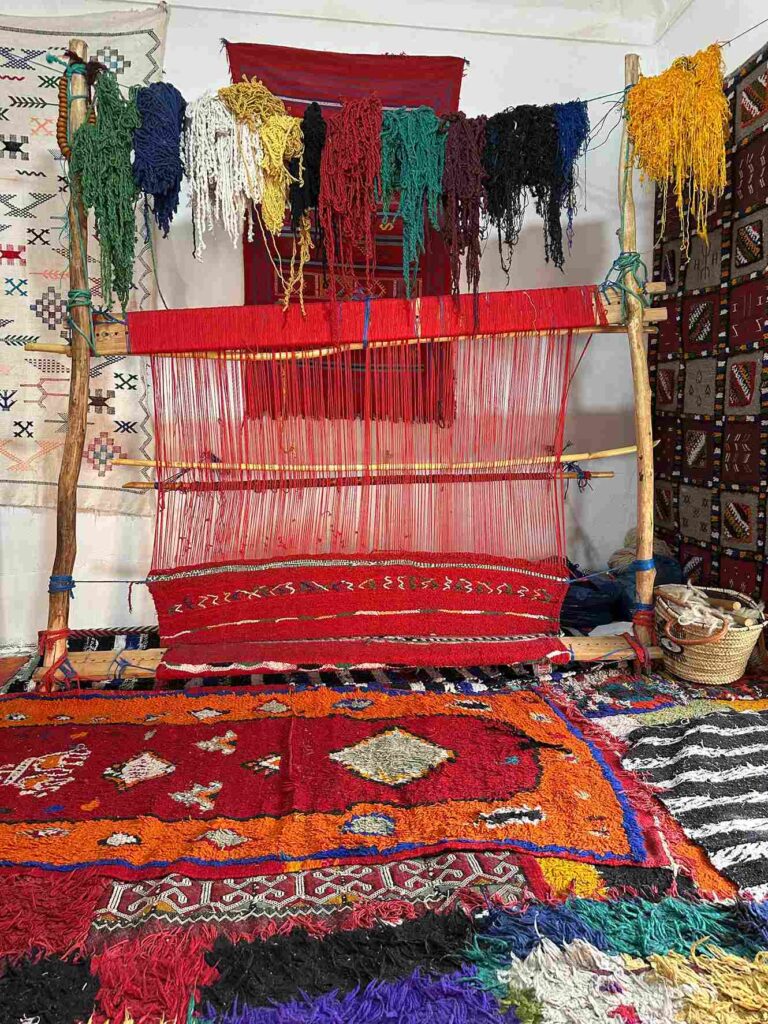
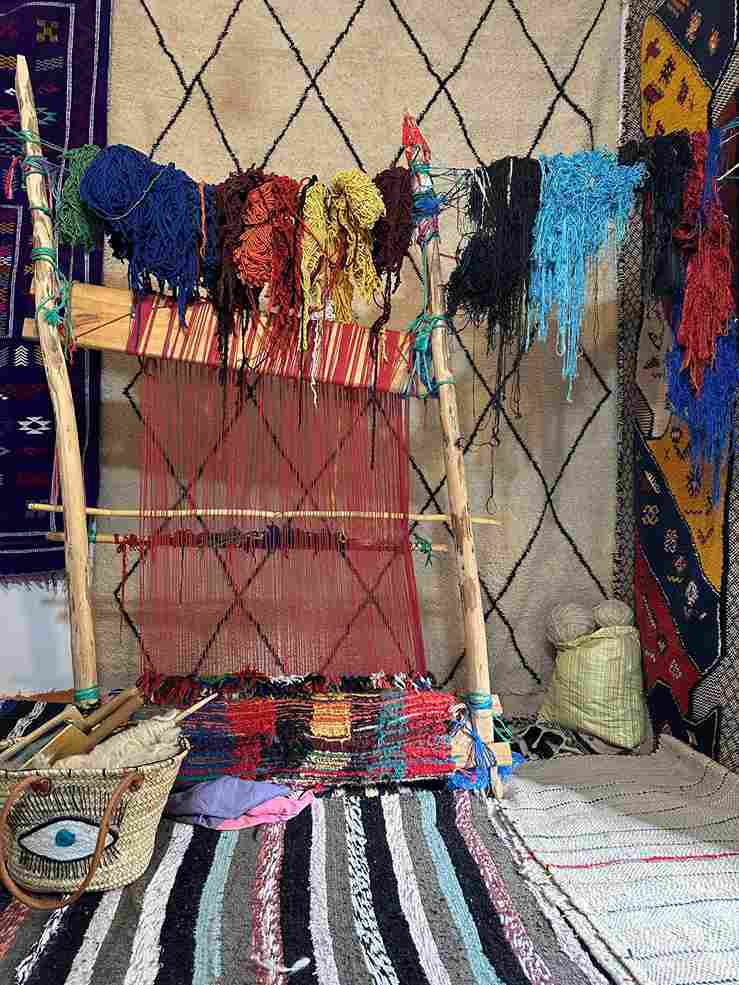
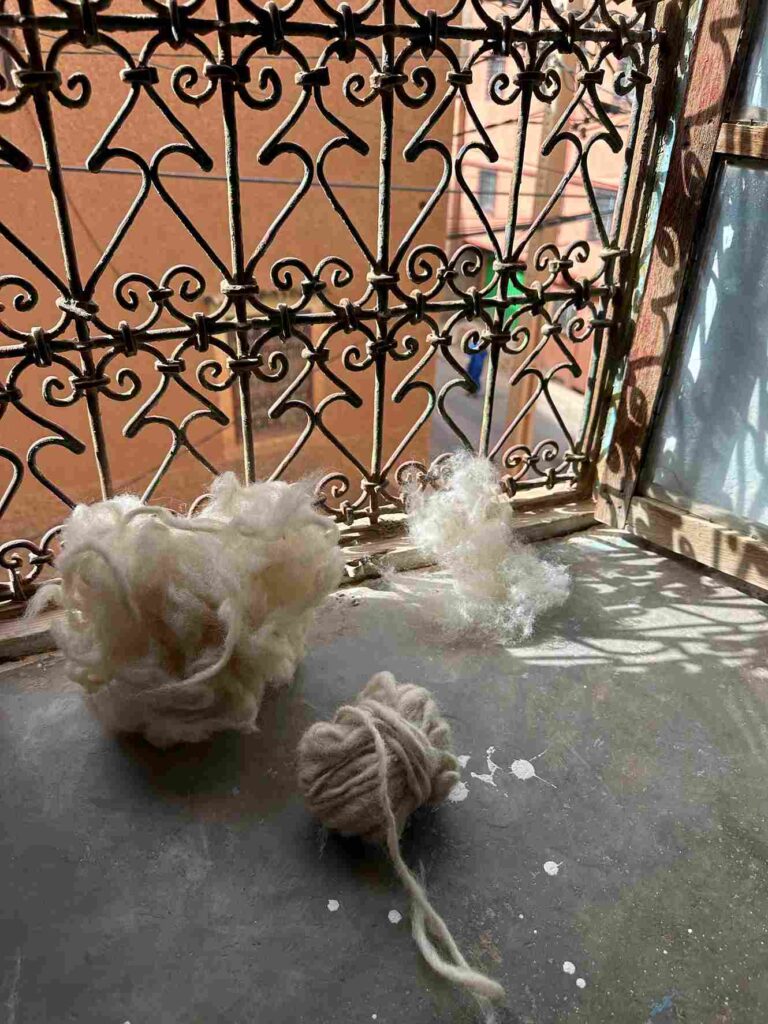
For Berber women, weaving is an age-old tradition that commands respect and prestige. A young girl traditionally learns the art of weaving from her mother or female relatives. Every stage — from washing the wool and spinning the yarn to dyeing and weaving — is carried out by women in nearly every Berber tribe. The result is not only a rug but a living testimony of Morocco’s cultural identity.
Patience, Precision, and Craftsmanship
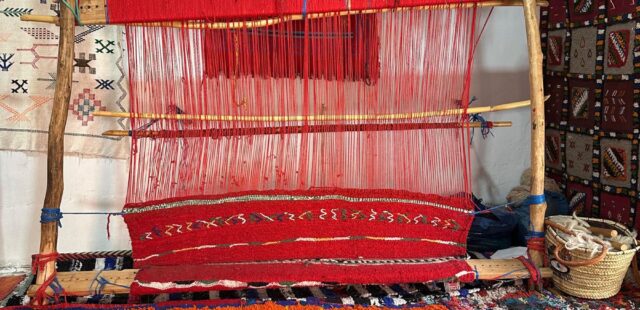
Weaving is a patient art that requires dedication and time. The looms are often taller than the women themselves, resembling large wooden frames. Working in cooperatives of 20 to 40, weavers may continue each other’s work, ensuring the rug progresses without pause. While a simple carpet may take weeks, the most detailed and symbolic designs can take months to complete. Each rug carries within it the rhythm of hands, chants, and generations.
Symbolism, Protection, and the Loom’s Spiritual Role
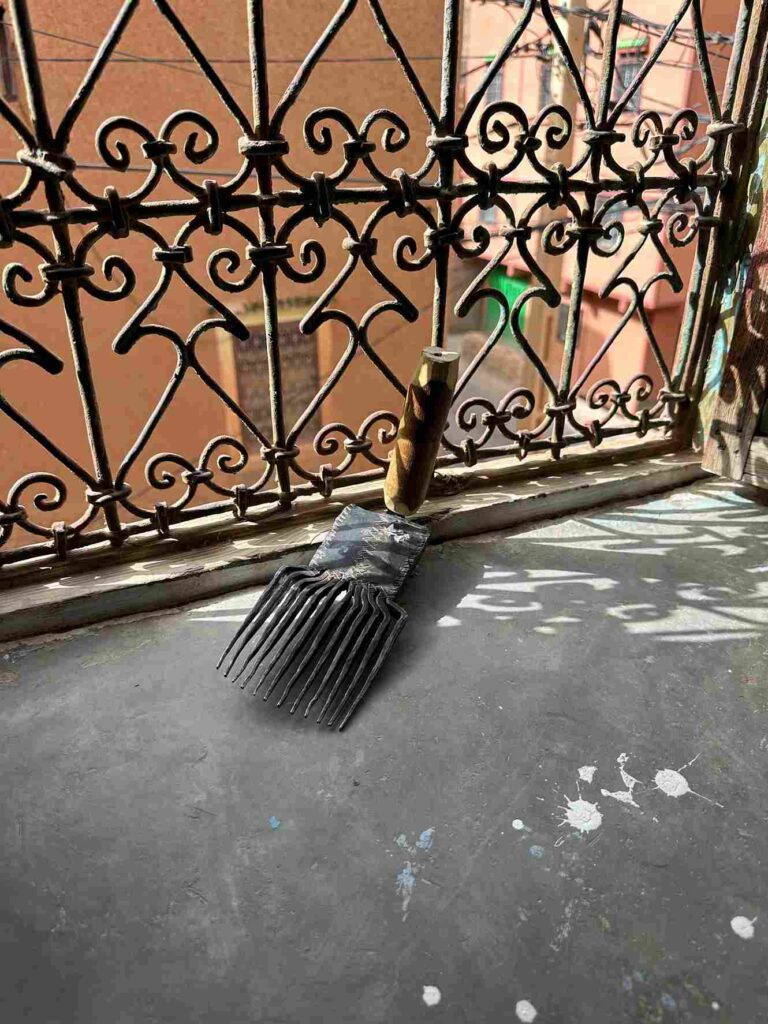
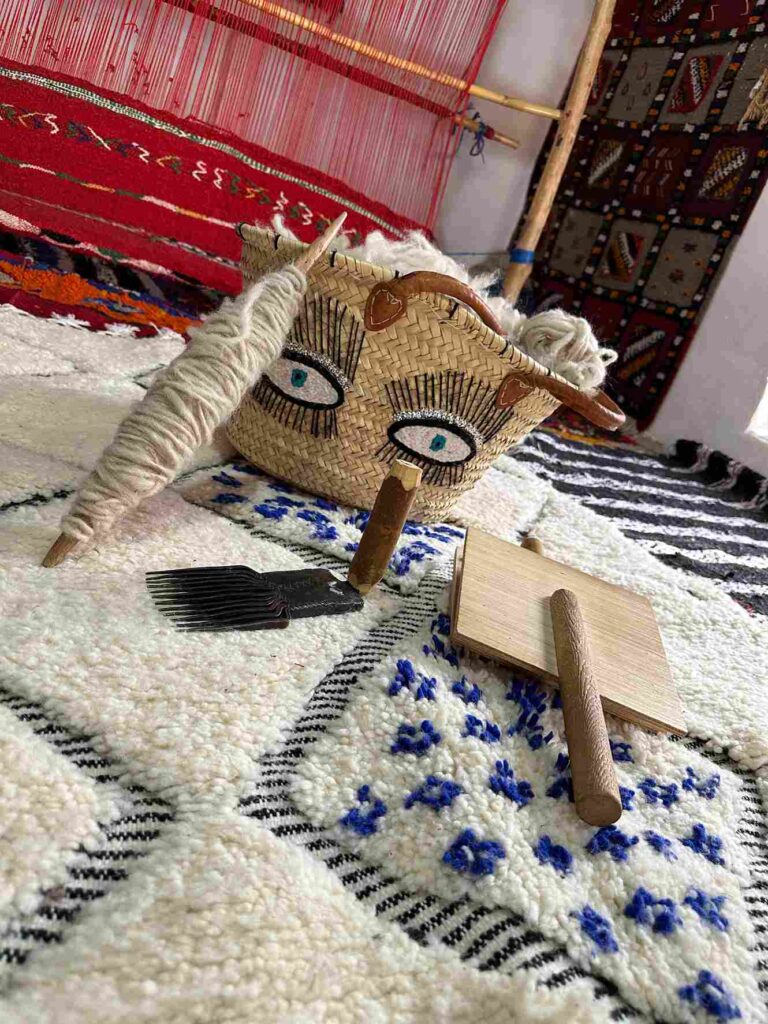
For centuries, weaving in Morocco has been seen as more than an art — it is a living tradition with spiritual meaning. The loom itself is believed to carry barakah (blessing), a divine force that increases goodness and protects the weaver. Tools like the mushts (weaver’s hammer combs) are carved with protective designs and symbols, many of which are also woven directly into Moroccan rugs.
Before starting, women recite a prayer — “Bismillah” (In the name of Allah) — to safeguard their work. The finished rug is not just a decorative object but a protective shield, believed to guard against the evil eye and harmful spirits. Each symbol woven into the textile adds another layer of meaning, transforming the rug into both art and spiritual defense.
Knowledge Passed Through Generations
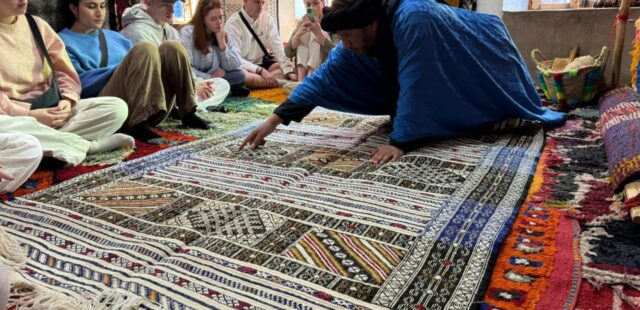
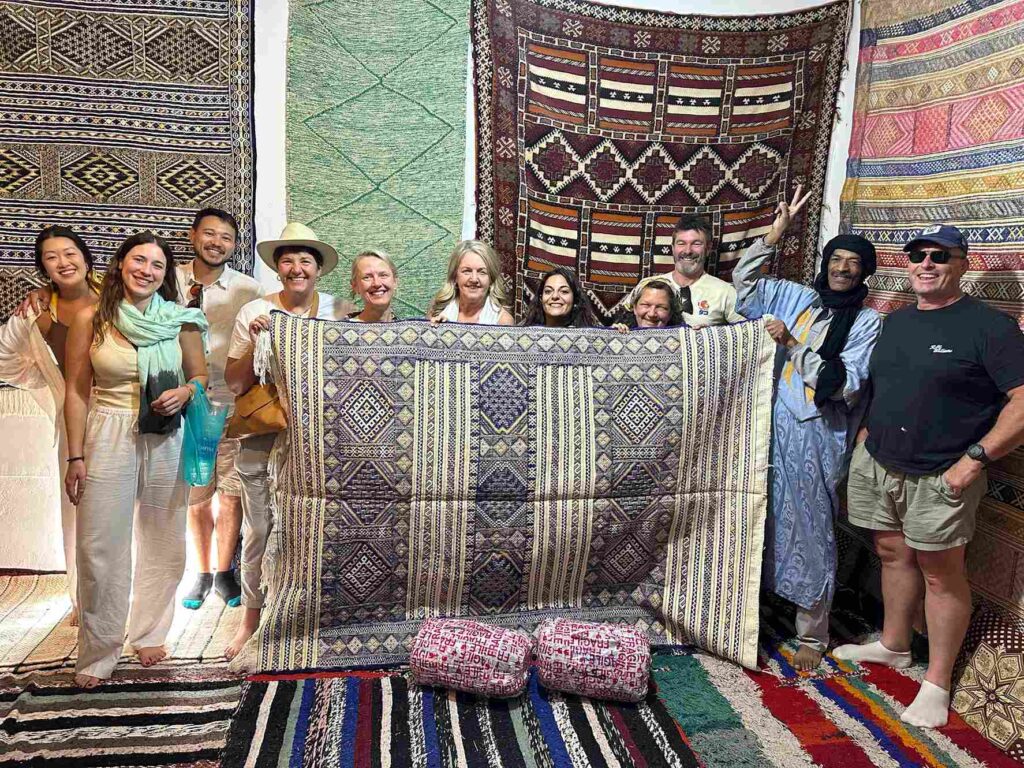
Despite high illiteracy rates in rural areas, weaving knowledge has survived without written instructions or schools. Skills are passed down orally, from elder weavers to younger apprentices. This oral tradition ensures that weaving continues as a cultural patrimony of Morocco. Tools like the taska (iron comb) and techniques such as the zerbiya (pile knotting) remain central to the process, ensuring durability and precision in every carpet.
Conclusion: Guardians of Morocco’s Cultural Heritage
The women of the loom are more than artisans — they are storytellers, guardians, and cultural preservers. Each Moroccan rug they create carries with it chants of the past, prayers for protection, and the resilience of Berber women who continue to keep this tradition alive. To own a Moroccan rug is to carry a piece of this heritage, woven with history, symbolism, and soul.