

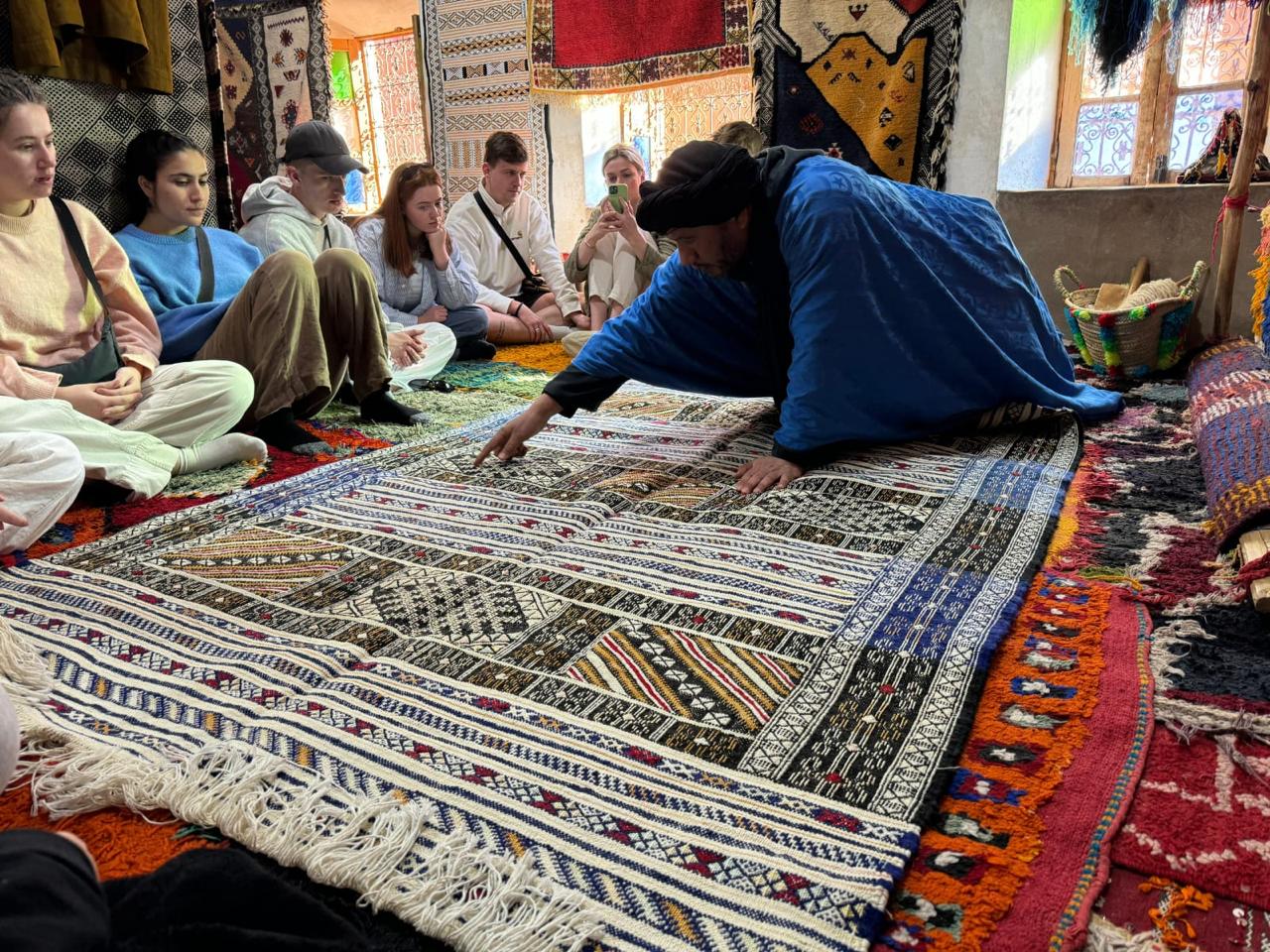
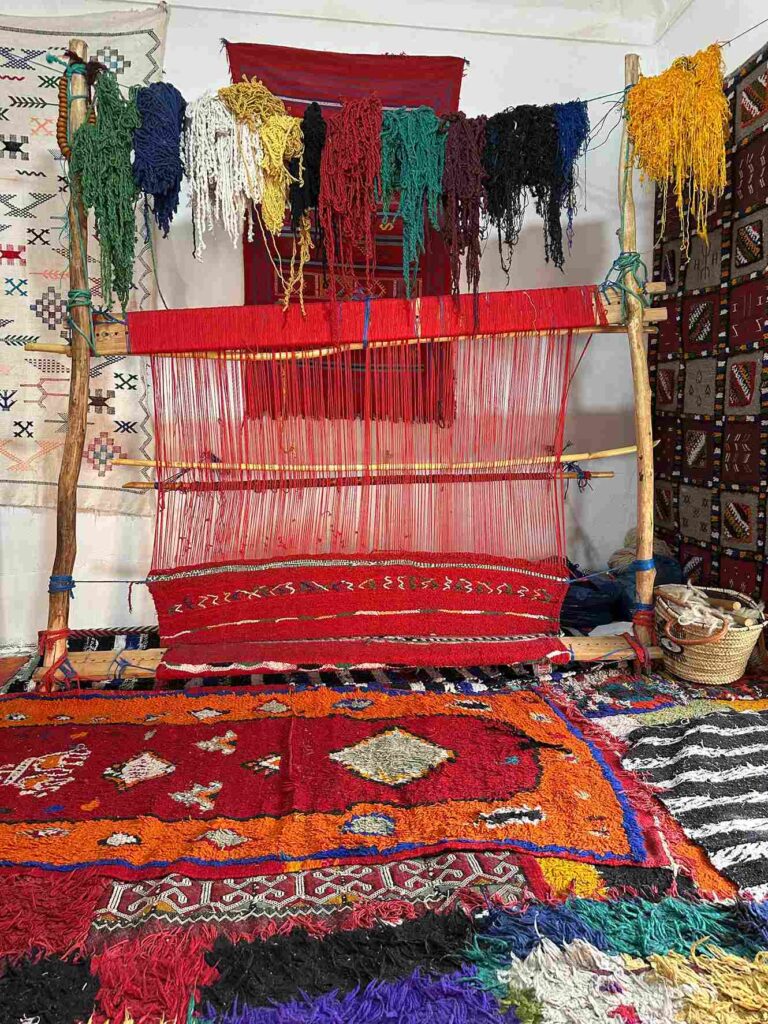
Looms as Living Symbols in Berber Culture
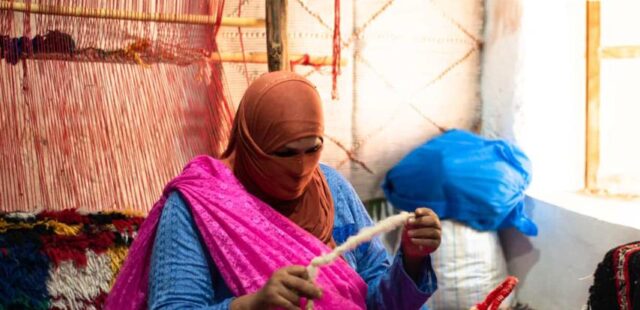
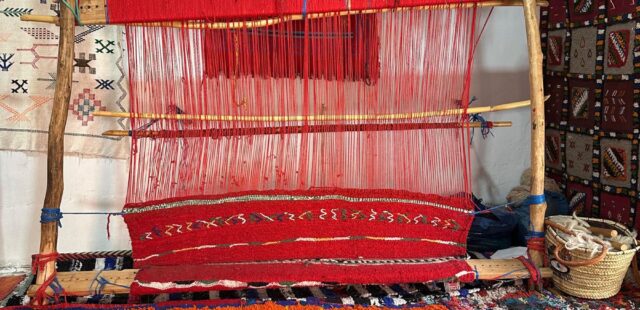
In Moroccan Berber traditions, the loom is far more than a tool — it is regarded as a living entity, carrying spiritual significance in every weaving session. Known as نول (nawl) in Arabic, the loom embodies protection, blessings, and continuity of cultural heritage. Each thread passed through the loom is infused not only with skill but also with spiritual intention, linking the physical and metaphysical realms.
Rituals and the Power of “Bismillah”
Before starting their work, Berber women recite the prayer “Bismillah” (In the name of Allah). This invocation is believed to invoke divine protection over the rug, the weaver, and her family. By reciting this ritual at the beginning of weaving, the textile gains barakah, a blessing that multiplies goodness, safeguards the process, and transforms the rug into a spiritual shield.
The practice highlights the intimate connection between art, spirituality, and everyday life in Berber culture. Each rug becomes more than decoration — it is a vessel carrying protection and positive energy throughout its existence.
Tools and Symbolic Protection
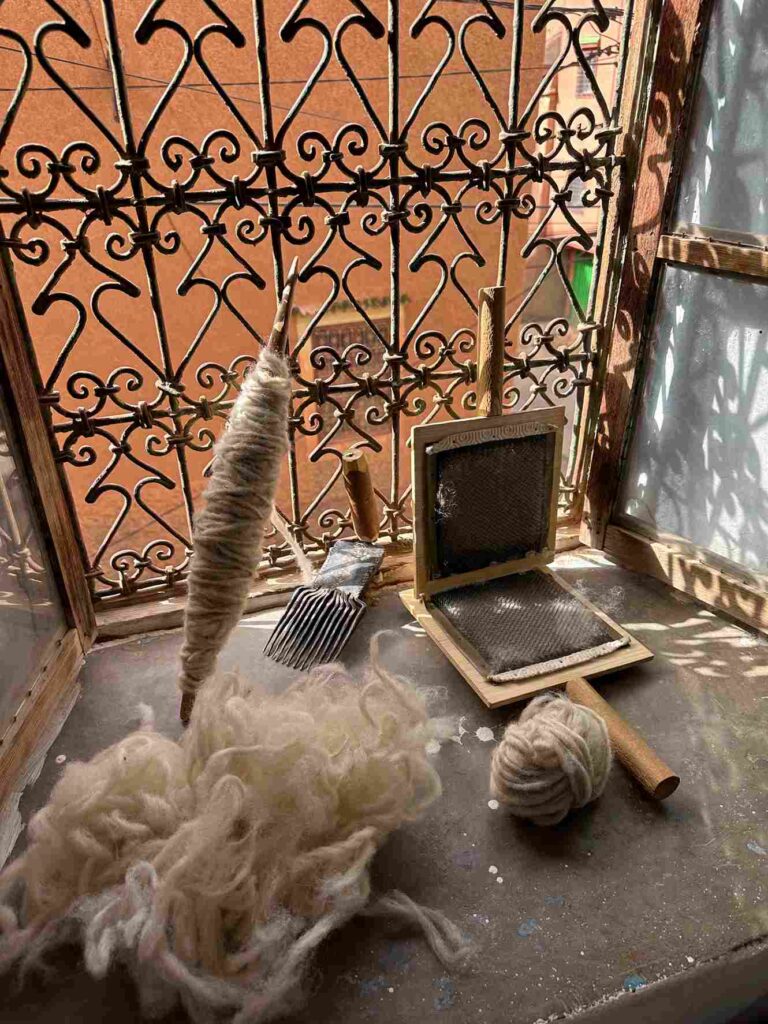
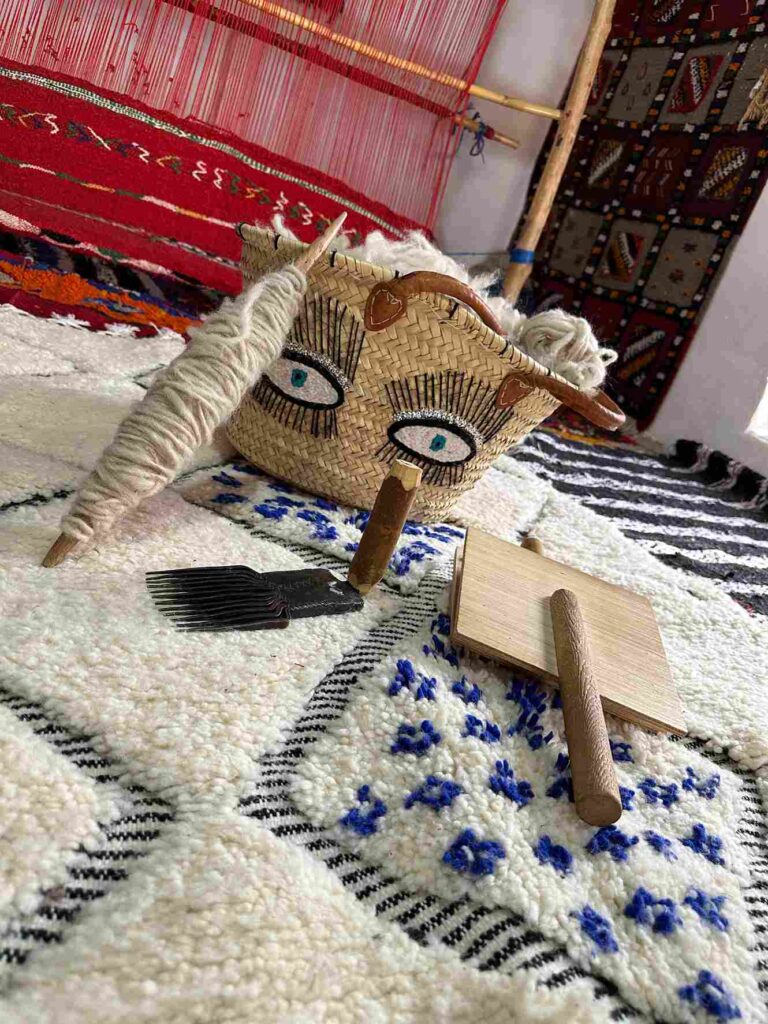
Berber weaving incorporates specific tools imbued with symbolic power:
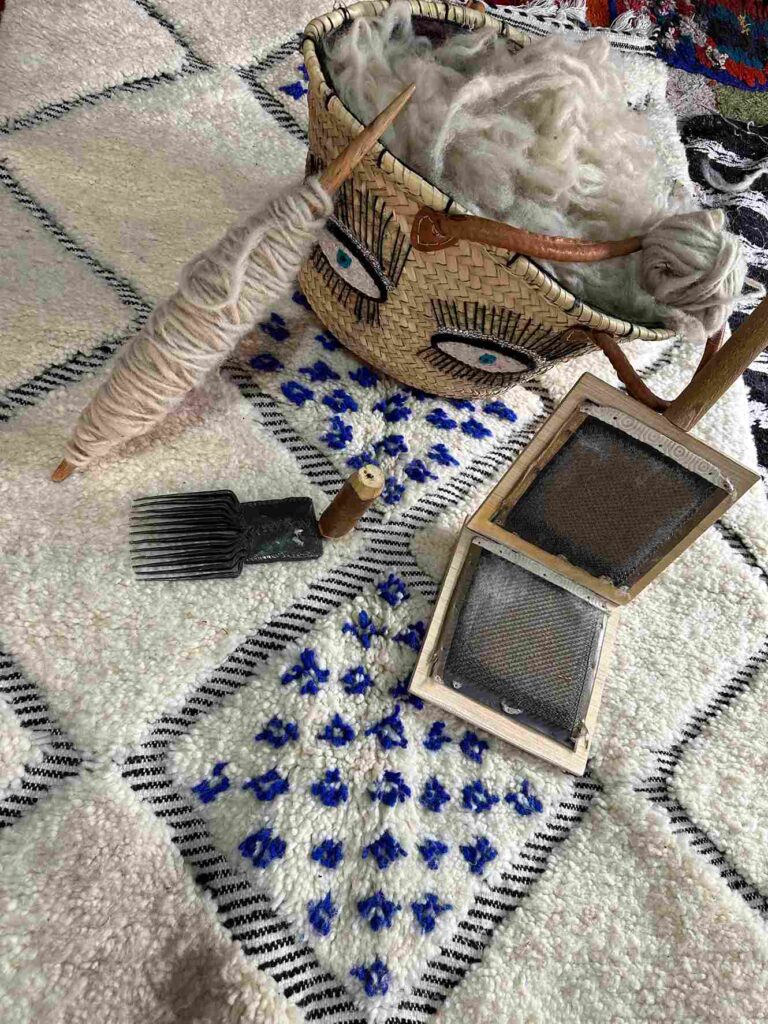
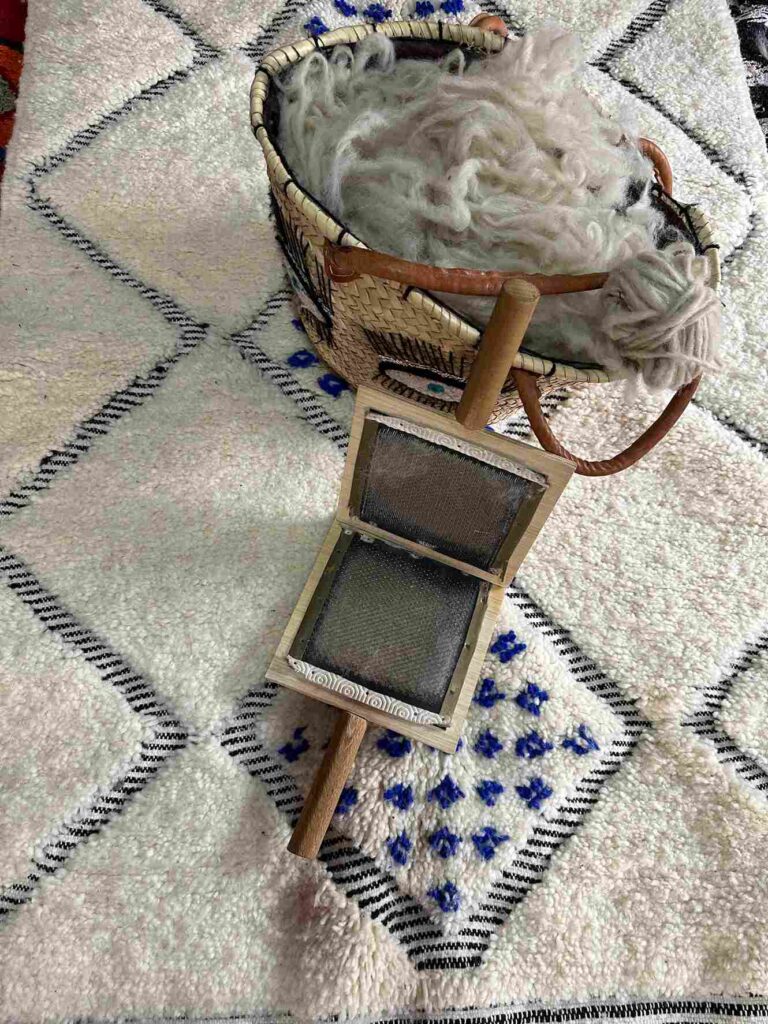
- Mushts: Small comb-like hammers used to compress and align threads. Their handles are carved with protective symbols to ward off evil.
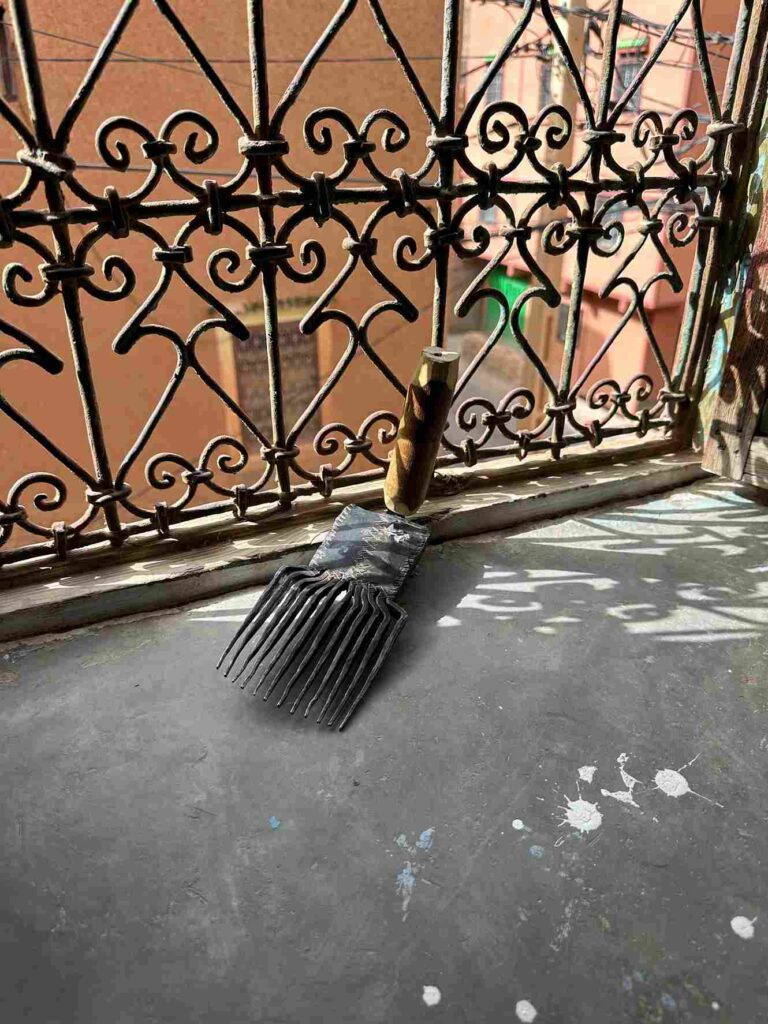
- Taska: Iron combs used after each row to ensure alignment and structural integrity.
- Zerbiya: Pile knots that form the intricate patterns, sometimes carrying hidden symbolic meanings to protect the weaver and her family.
Many of these motifs are also woven directly into the carpets, creating double layers of protection — both functional and symbolic. This combination of tools, rituals, and patterns ensures that the rug is not just aesthetically valuable but spiritually potent as well.
Spiritual Awareness in Every Thread
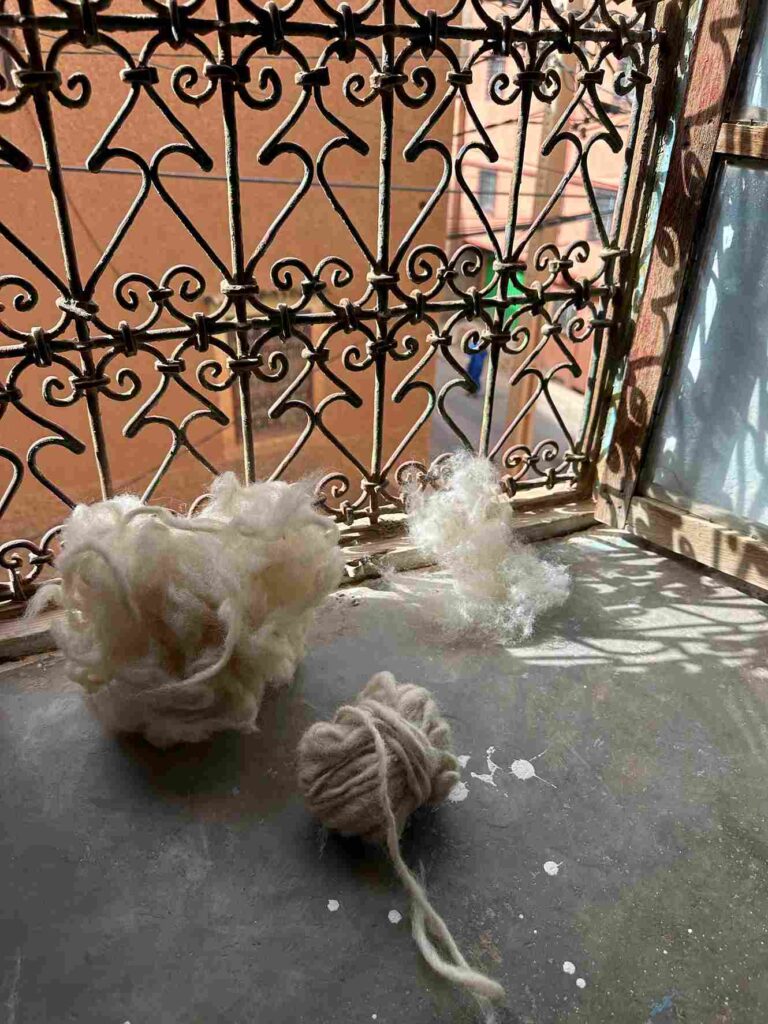
The process of weaving demands constant mindfulness. Wool is considered lucky, yet the weaver must remain alert to prevent negative energy from entering the threads. With every knot and every pass of the weft, the artisan channels intention, care, and spiritual awareness, turning the rug into a living object of protection and blessing.
The design of the rug itself often functions as a “woven net” to guard against evil forces, creating barakah that extends beyond the loom to the home and family where the rug will reside.
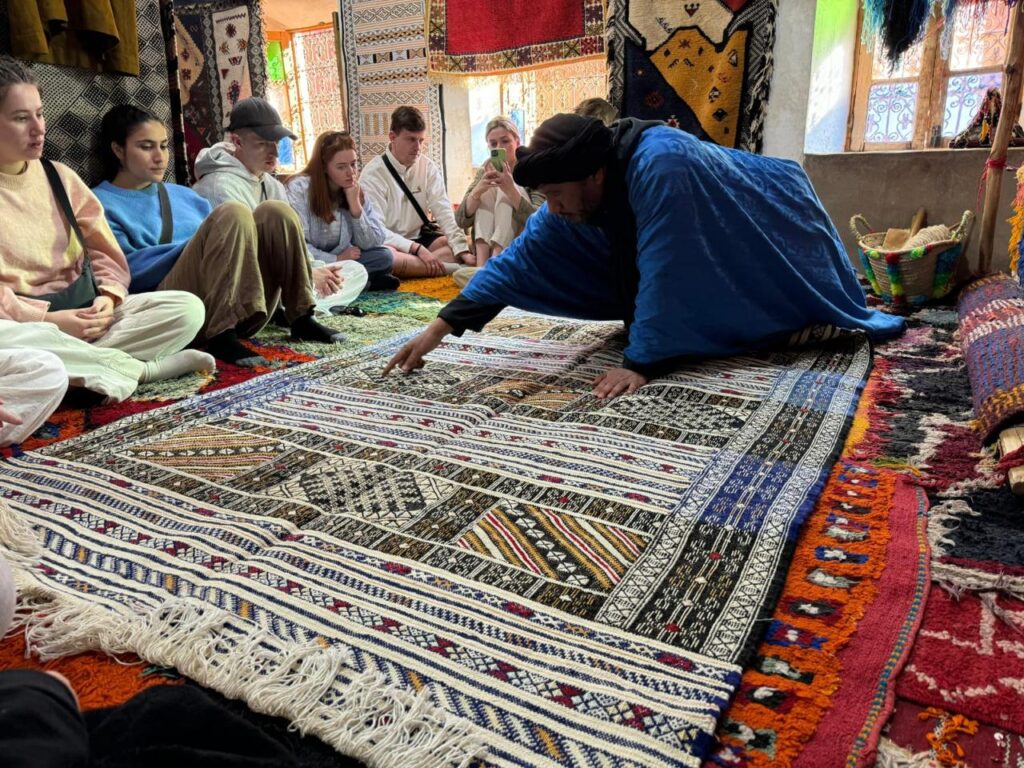
Preserving Cultural Heritage Through Ritual
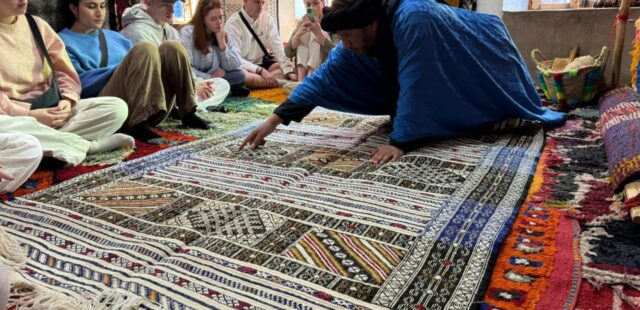
Berber weaving has survived for centuries despite challenges like illiteracy and nomadic shifts. Knowledge of the loom, prayers, and symbolic tools is passed orally from elder women to younger apprentices. This ensures that both the technical and spiritual aspects of weaving are preserved, making every rug a continuation of Morocco’s cultural patrimony.
At Berber House Rugs, we honor this tradition by working with skilled women weavers who maintain these sacred practices, ensuring each rug is a unique piece of art infused with centuries of heritage and spiritual significance.
Conclusion: More Than Just a Rug
A Berber rug is not just a decorative object. It is a vessel of heritage, spirituality, and protection. From the loom’s sacred presence to the rituals, symbols, and meticulous craftsmanship, every rug carries barakah that safeguards the weaver, the textile, and the home it adorns.
By owning a handwoven Berber rug from Berber House Rugs, you are embracing centuries of Moroccan tradition, artistry, and spiritual richness, woven with the skill and devotion of women artisans dedicated to preserving this extraordinary craft.