
About Berber House Rugs
Berber House RugsTimeless Berber Rugs Crafted With Tradition and Passion
Introducing the Berber Rugs
Timeless Moroccan Art Woven Through Generations
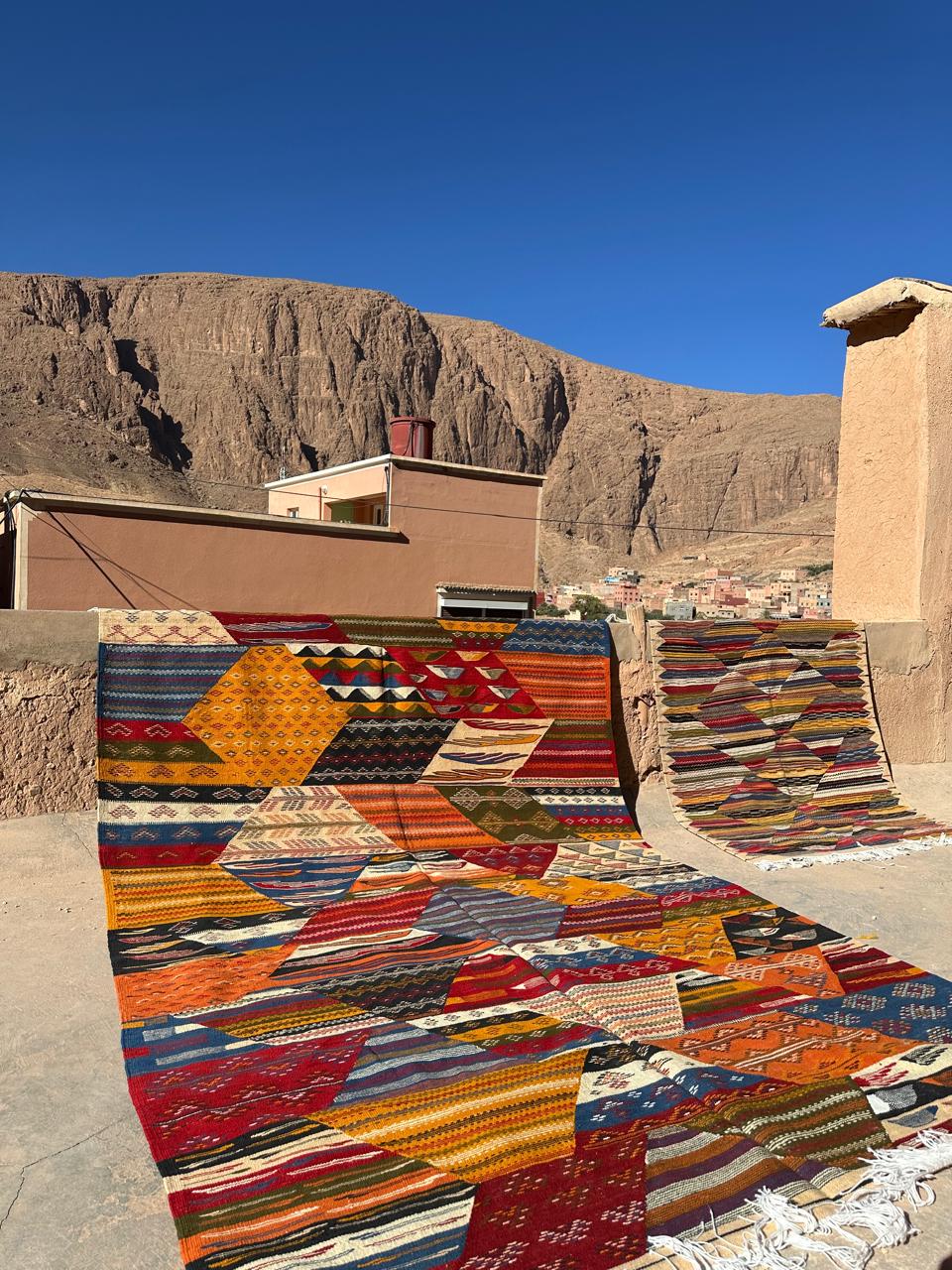
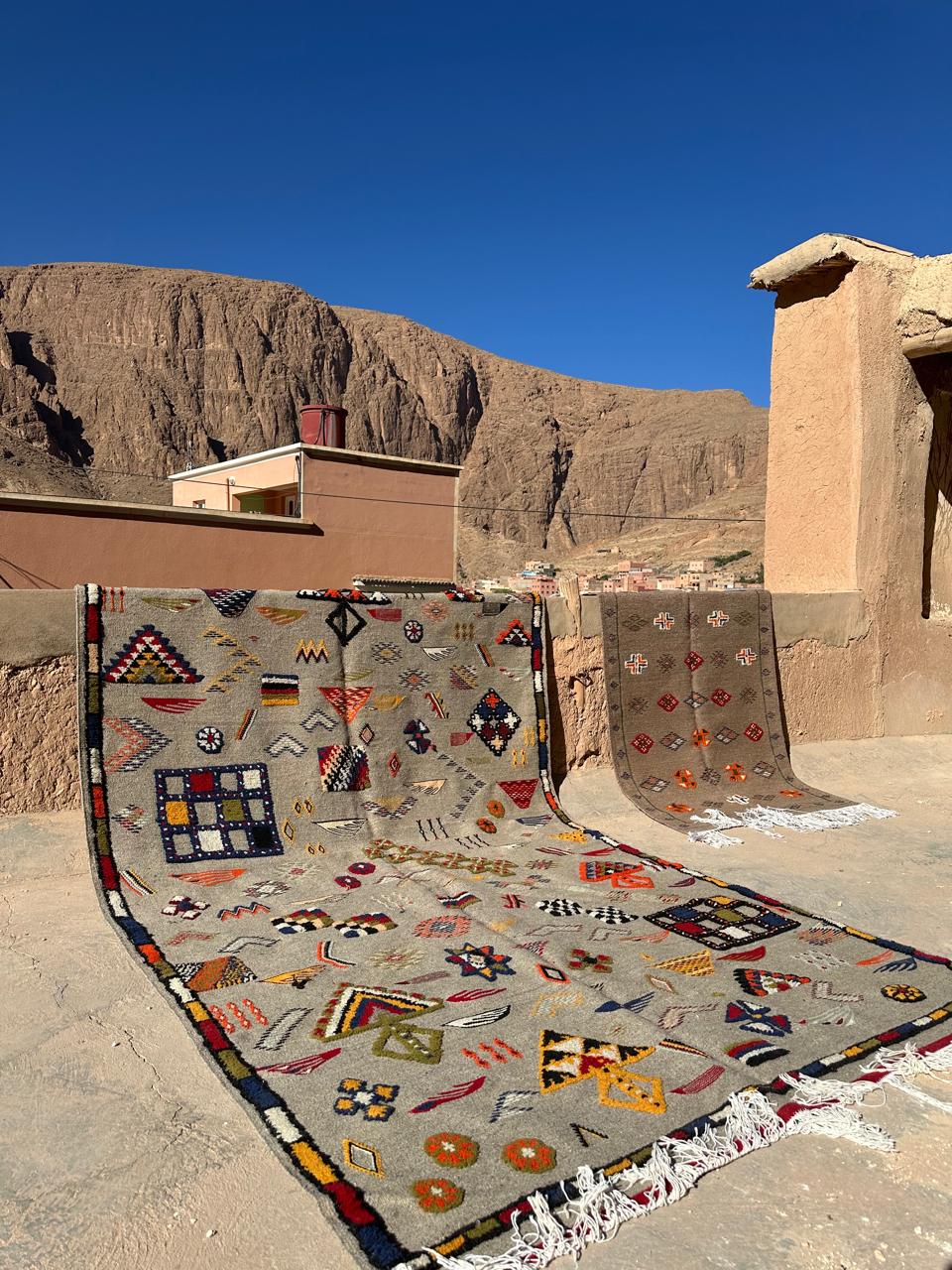
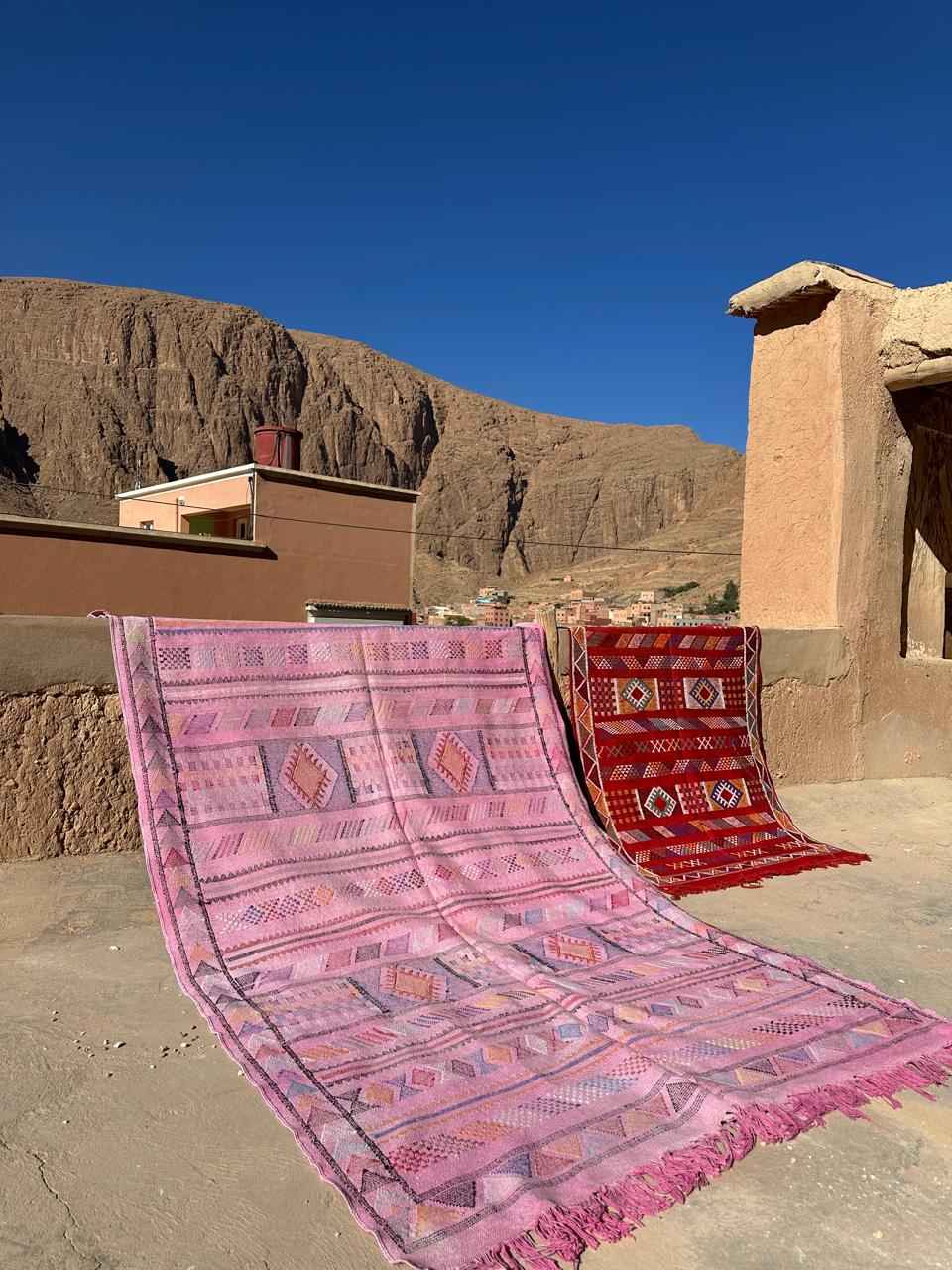
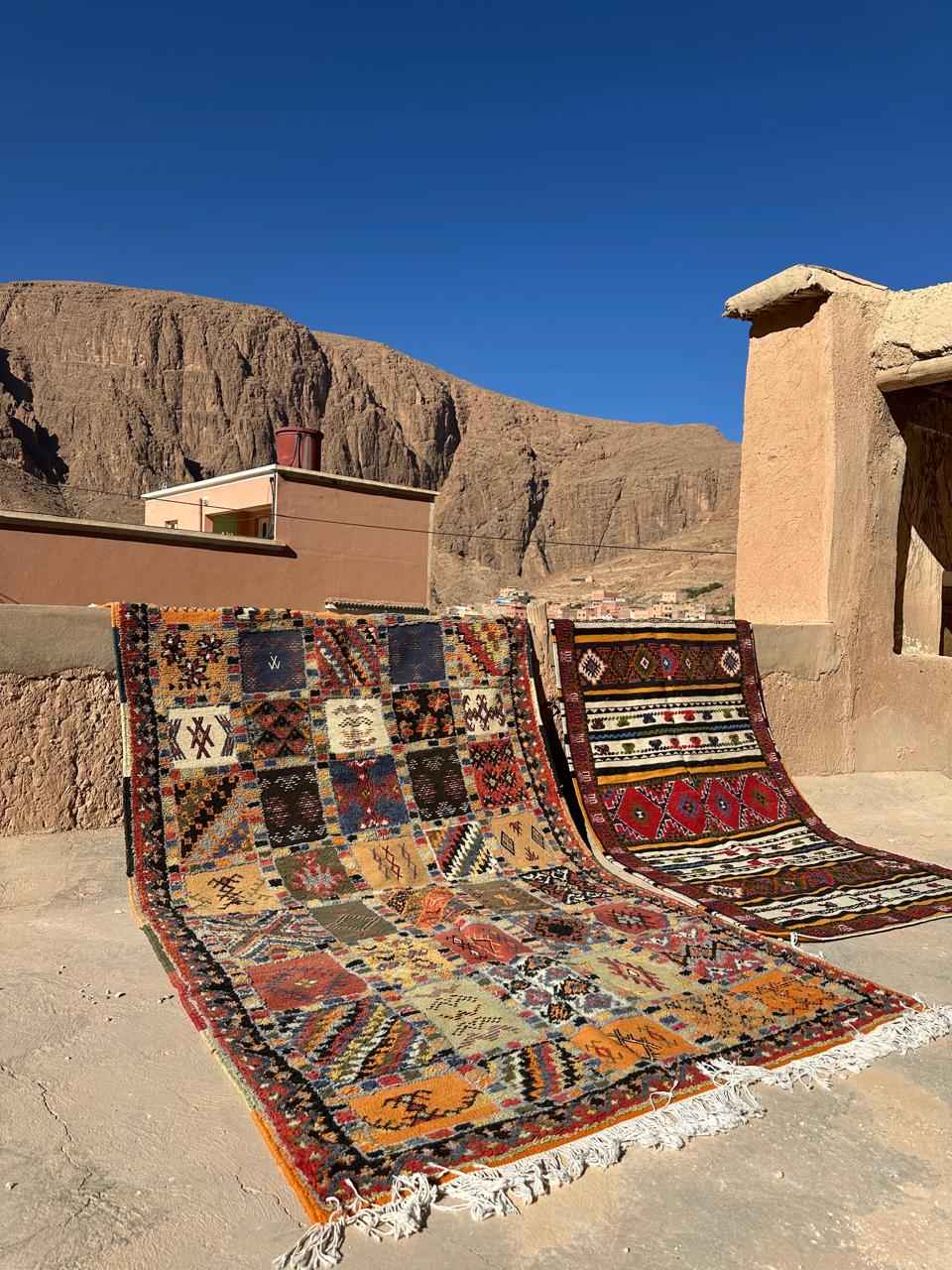
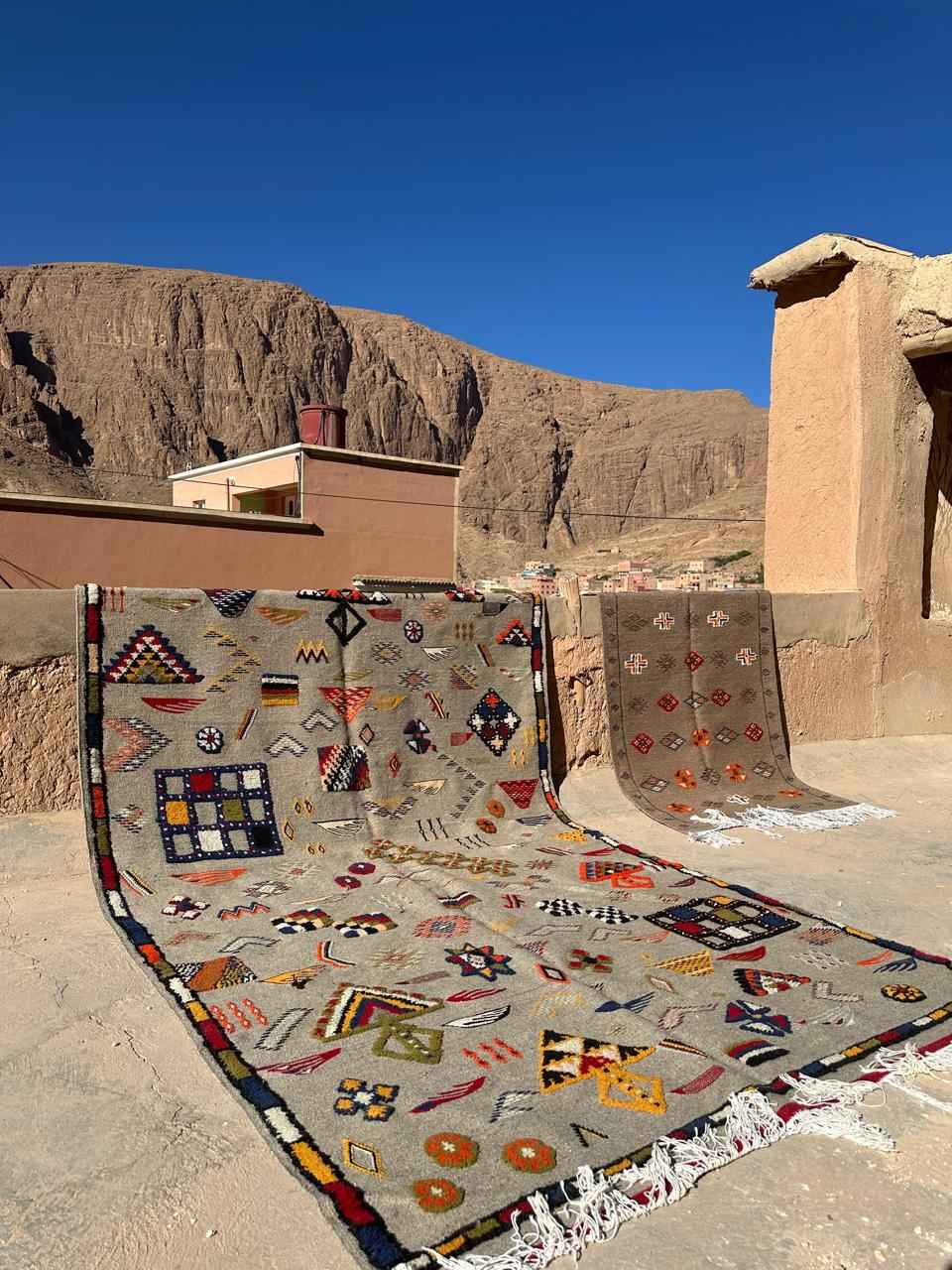
The Berber carpet, also called Taṛakna or Taẓerbit depending on the region, is a true symbol of Moroccan culture. Its origins go back to the Paleolithic era. For centuries, women and young girls have preserved these weaving traditions on the same types of looms. Each pattern, motif, and ornament carries deep meaning, inspired by religion, nature, beliefs, and the imagination of Berber culture. These rugs are more than decorations they are living stories passed from mother to daughter, preserving generations of heritage.
The History of Berber Rugs
Our Heritage – From Ancient Traditions to Modern Homes
Berber House Rugs are unique, handcrafted pieces made for everyday use and special occasions. Traditionally made of high-quality wool, they were often part of wedding dowries and carefully stored by families. Despite challenges from the settlement of nomadic tribes, Berber weaving is experiencing a revival today. Each rug showcases the skill, creativity, and artistry of nomadic artisans, bringing warmth, durability, and a piece of Moroccan culture into modern homes.
Why Choose Berber House RugsHandcrafted by Berber Women, Woven With Tradition and Meaning
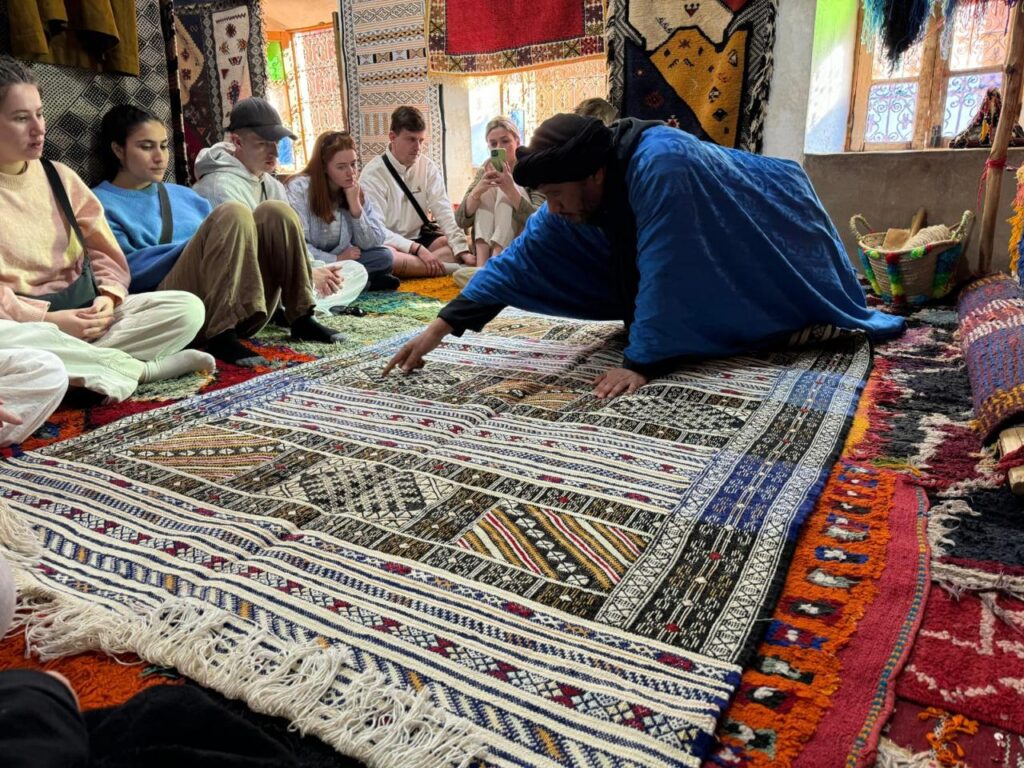
At Berber House Rugs, every rug is more than a decorative piece it is a work of art, handwoven by skilled Berber women who carry forward centuries of Moroccan weaving tradition. Each rug tells a story, with symbols and motifs inspired by nature, beliefs, and the rich heritage of Berber culture. From the geometric patterns of Beni Ourain to the vibrant designs of Azilal and Kilim rugs, these handwoven creations reflect the authentic artistry and symbolism that have been preserved through generations.
Choosing a rug from Berber House Rugs means inviting a piece of Moroccan heritage into your home. Our artisans carefully craft each rug using high-quality natural wool, ensuring a durable and luxurious piece that lasts for years. Every symbol woven into the fabric carries meaning—some protect, some tell stories, all celebrate the unique creativity and traditions of Berber culture.
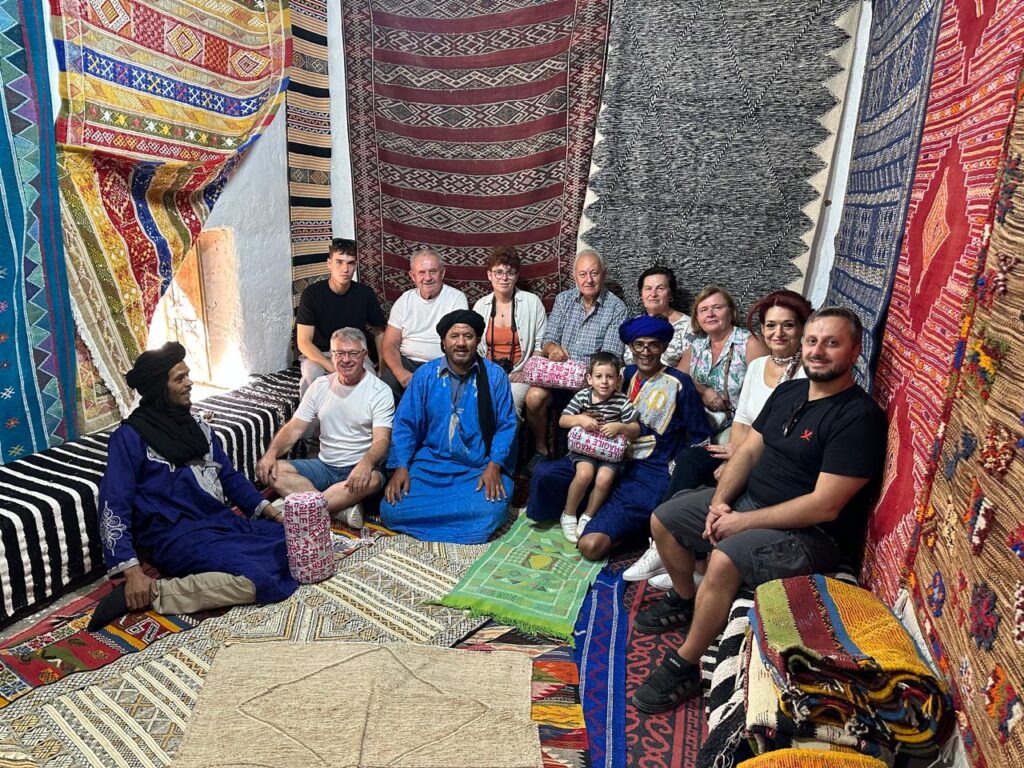
We are dedicated not only to providing authentic Moroccan rugs but also to honoring the women who craft them. By choosing our rugs, you are supporting sustainable craftsmanship, helping keep centuries-old traditions alive, and bringing timeless, meaningful design into modern living spaces.
Every rug tells a story – woven by the hands of Berber women, carrying centuries of tradition, culture, and meaning into your home.
Berber Rugs Symbols and Their MeaningUnlock the Stories and Secrets Woven Into Every Berber Rug
Symbols in BerberHouseRugs are more than decorative patterns they are a rich visual language passed down through generations. Long before writing existed, Berber communities used these motifs to tell stories, express identity, and capture the cycle of life. From fertility and birth to protection and spirituality, each symbol carries deep cultural meaning, connecting the past with the present.

The Yaz
The ⵣ (Yaz) symbol, meaning “Free Man,” stands as a timeless emblem of Amazigh identity.
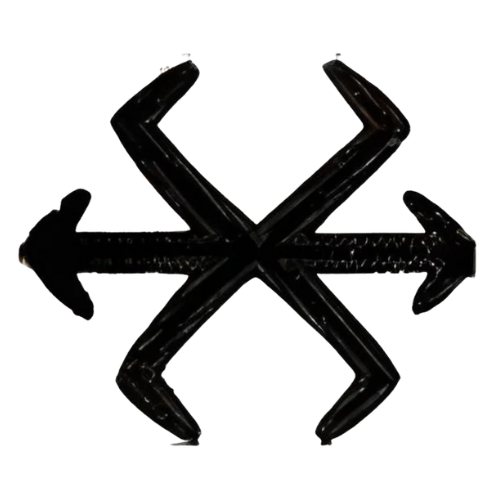
The spider
A feminine symbol representing diligence, patience, and the harmonious balance of life.
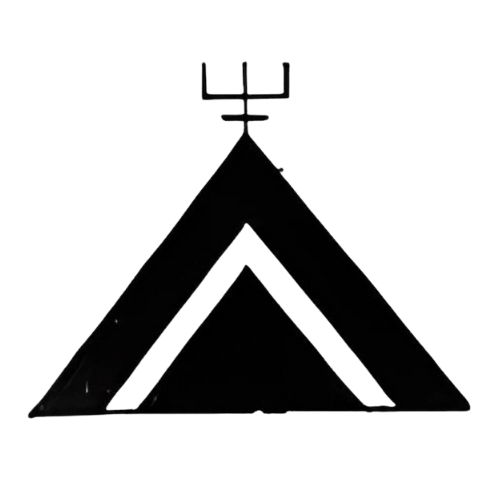
The Aries
The Aries symbolizes physical strength and vitality. It is also a sign of life, courage, and generosity.
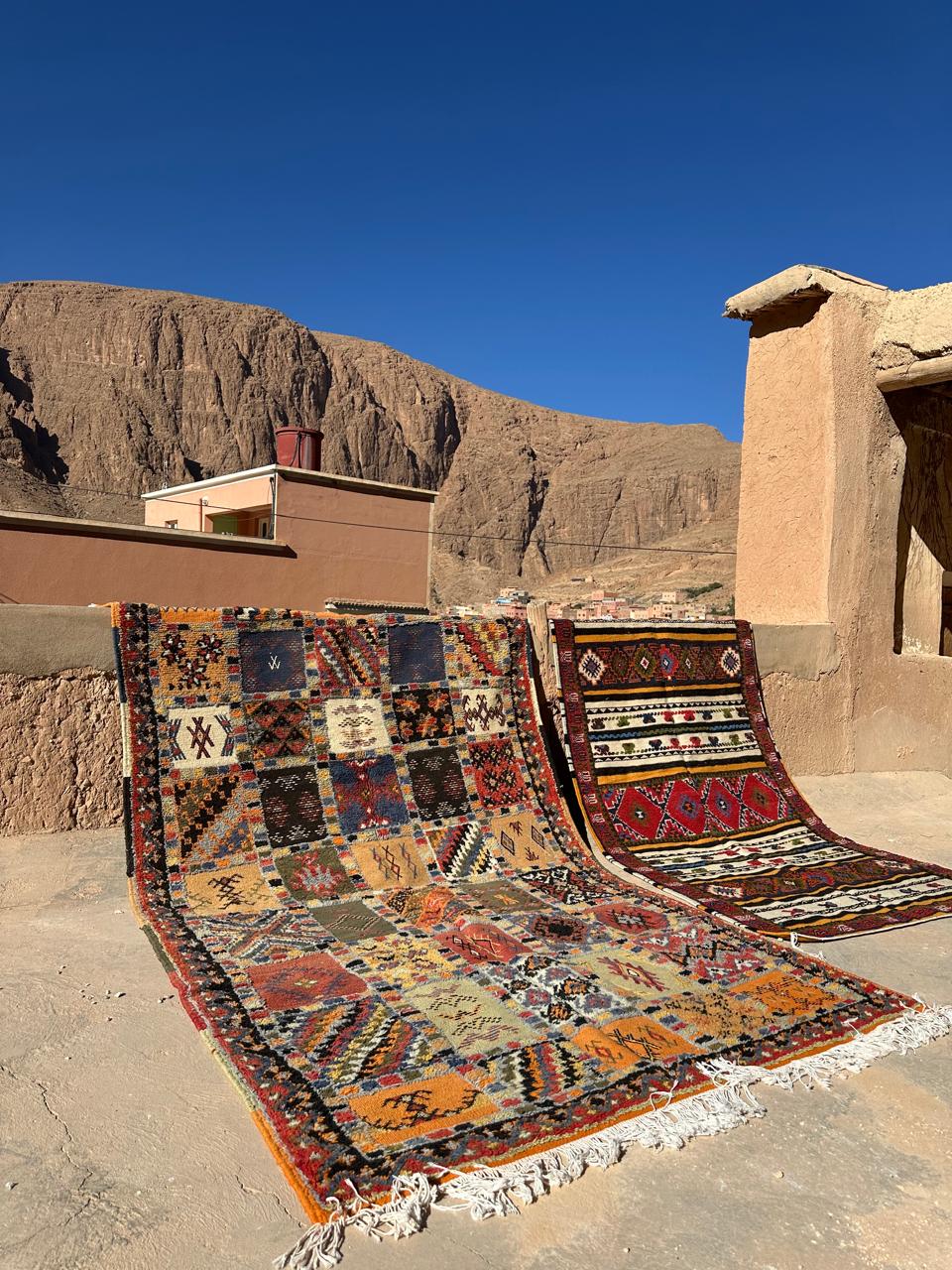
Berber Rug InspirationSee How Our Rugs Transform Homes Around the World
Explore our gallery of authentic Berber rugs and see how these timeless Moroccan creations are styled in a variety of spaces. From modern minimalist living rooms to traditional Moroccan interiors, each rug adds a unique touch of warmth, texture, and character.
What Our Customers Are Saying
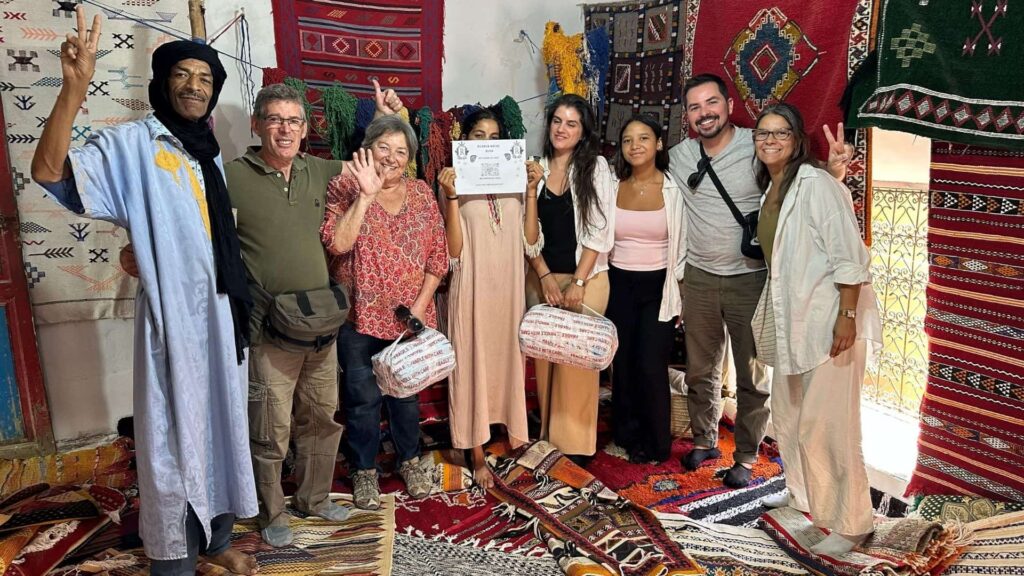
At Berber House Rugs, we’re proud to share the voices of our customers who have welcomed authentic Moroccan rugs into their homes. From design enthusiasts to first-time buyers, their experiences highlight the craftsmanship, quality, and timeless beauty that make each rug unique.